







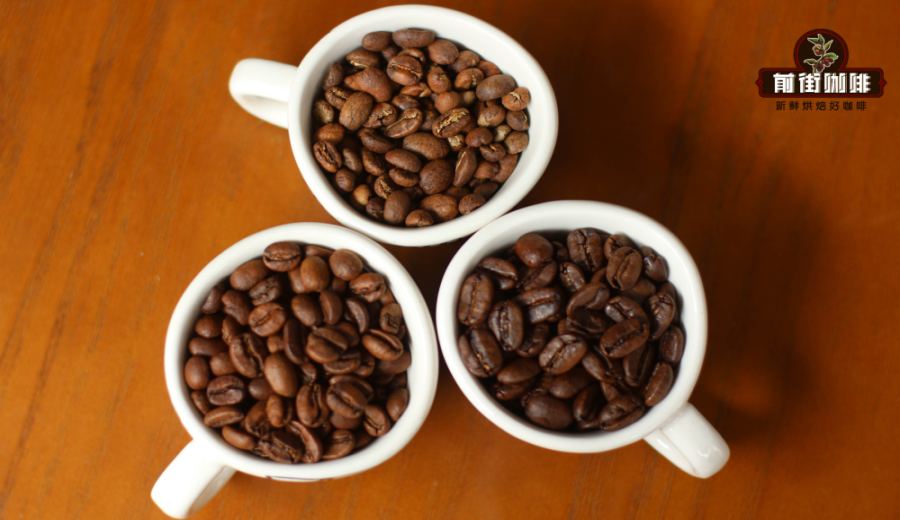
Introduction:Gain an in-depth understanding of the roast level classification of Italian-style blend coffee beans, the corresponding standards of Agtron color values, and how different roast styles affect the performance of pour over and espresso extractions. This article details the turning points from light to dark roasts, key points in roast curve design, and provides practical roasting and extraction parameters to help you find the coffee beans and brewing method that suit your taste.
The roast level of coffee is one of the key factors influencing its flavor profile. Common labels such as light roast and dark roast, as well as less common terms like cinnamon roast and city roast, often confuse consumers. This article will delve into the origins, characteristics, and actual impact on coffee flavor of various roast level names.
Roast Level Name Breakdown
Commonly seen roast levels on the market include French Roast, Italian Roast, and City Roast. It's important to note that these names refer to the degree of roast, not the origin of the coffee beans. French Roast typically falls under medium-to-dark espresso roasts, but in the United States, so-called French Roast may be roasted even darker, with intense bitter and smoky flavors, sometimes resembling the strong taste of drinking charcoal—suitable for pairing with milk to make European-style coffees such as café au lait. Italian Roast, on the other hand, is the darkest of all roast levels, with beans almost appearing charcoal black, characterized by strong bitterness and a heavy body, making it highly suitable for making espresso or cappuccino.
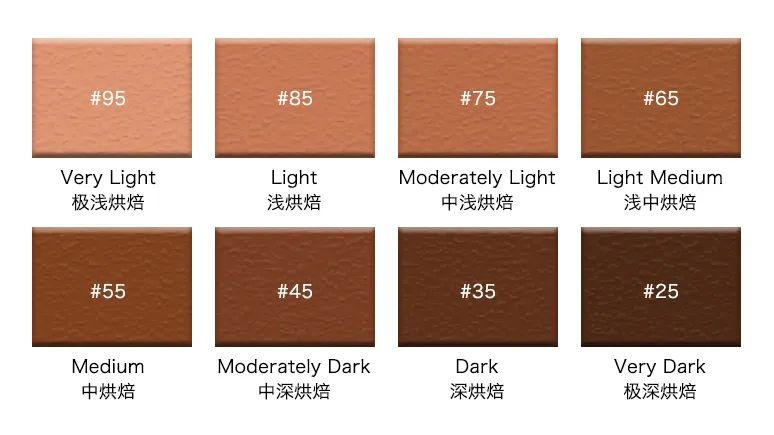
Agtron Color Values and Corresponding Roast Stages
Agtron color values are an internationally recognized standard for evaluating roast levels. Below are common roast levels with their corresponding color values and drop time references:
- Agtron #95: Light Roast, dropped just before the end of the first crack
- Agtron #85: Cinnamon Roast, dropped around the end of the first crack
- Agtron #75: Medium Roast, dropped after the first crack
- Agtron #65: High Roast, dropped during the quiet period between the first and second cracks
- Agtron #55: City Roast, dropped at the very beginning of the second crack
- Agtron #45: Full City Roast, dropped just before the second crack becomes intense
- Agtron #35: French Roast, dropped while the second crack is in full progress
- Agtron #25: Italian Roast, dropped when oils begin to emerge on the bean surface
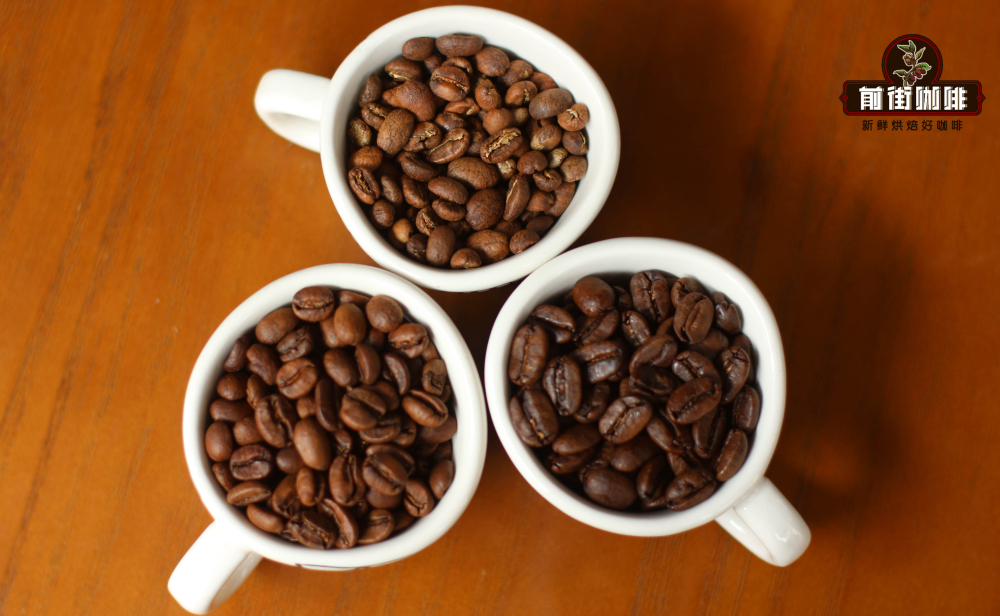
Flavor Characteristics and Suitable Scenarios for Dark Roast Coffee
Dark roast coffee with Agtron values between #35 and #25 can release rich mellow flavors and intense aromas. Due to the longer roasting time, caramelization reactions are more pronounced, prompting more oils to form on the bean surface, resulting in a noticeable sweetness and full body. The intense character of dark roast coffee can sometimes even surpass the light brown tones of cinnamon roast, balancing acidity with sweetness and showcasing the potential flavor layers of high-quality beans. For those new to coffee, it is recommended to consider personal taste preferences, bean origin characteristics, and brewing methods comprehensively, and consult professionals for more accurate recommendations.
Roasting Approach and Flavor Goals for Blends
Taking popular Italian-style blends on the market as an example, their design goals usually aim to balance bold body with diverse flavor expression. An ideal blend should possess a full body, sufficient sweetness, and balanced flavors, while avoiding uneven development due to differences in bean varieties during roasting. Therefore, it is recommended to adopt a gradually decreasing heat roast strategy to ensure that different beans mature synchronously during the roasting process, guaranteeing consistent final flavors.
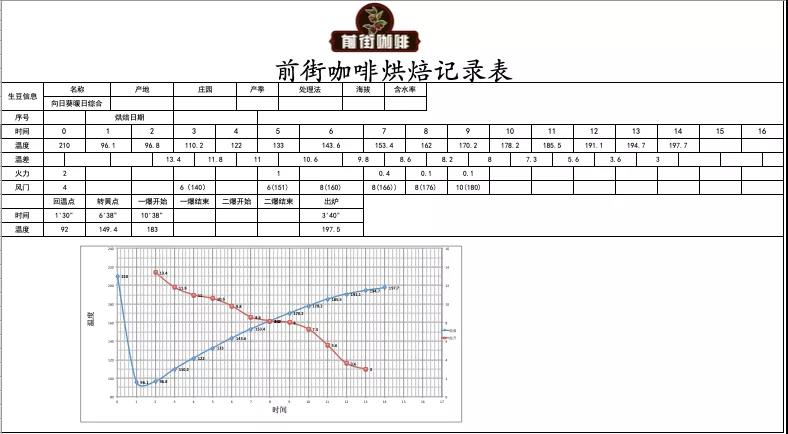
In practical operation, it is recommended to start with a drum temperature of 210°C, initial air damper set to 4, and firepower at 200. The turnaround point is reached at about 1 minute 30 seconds when the temperature hits 92°C. When the drum temperature drops to 140°C, adjust the air damper to 6—by this time the bean surface turns yellow and the grassy notes have dissipated, entering the drying phase. When the drum temperature reaches 180°C, reduce the firepower to 10 and open the air damper fully to 10 to promote even heating. Around 9 minutes 30 seconds, the bean surface shows wrinkles and dark spots, and the aroma transitions from toasted bread to coffee—this marks the prelude to the first crack. Closely monitor the first crack sound, which usually begins at 10 minutes 38 seconds, followed by a 3-minute 40-second development phase, and finally dropping the beans at 197.5°C.
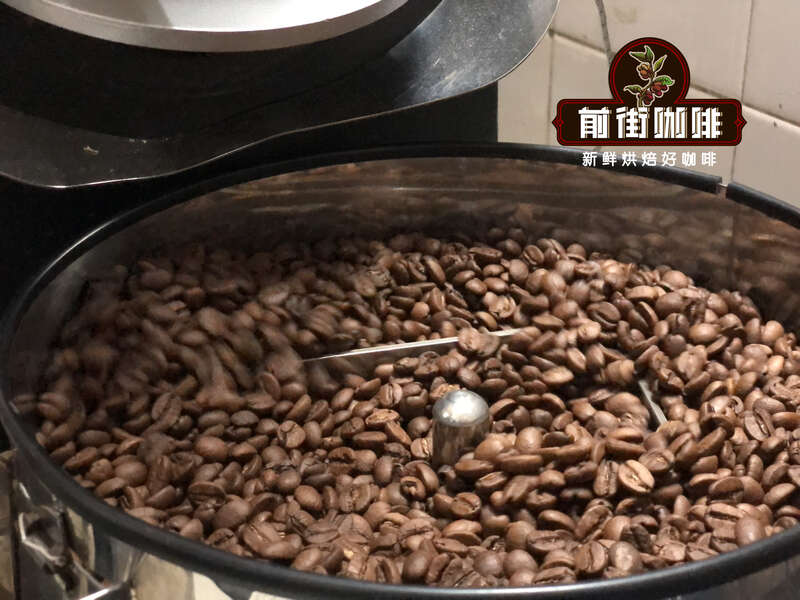
Through cupping, pour over, and espresso extraction tests, this blend demonstrates soft fruit acidity, long-lasting sweetness, and ample sweetness, along with rich chocolate, vanilla, and cream aromas, as well as notable winey notes. The overall mouthfeel is clean and smooth, with medium body, making it highly suitable as an all-purpose blend solution.

Extraction Parameter Recommendations for Italian Blends
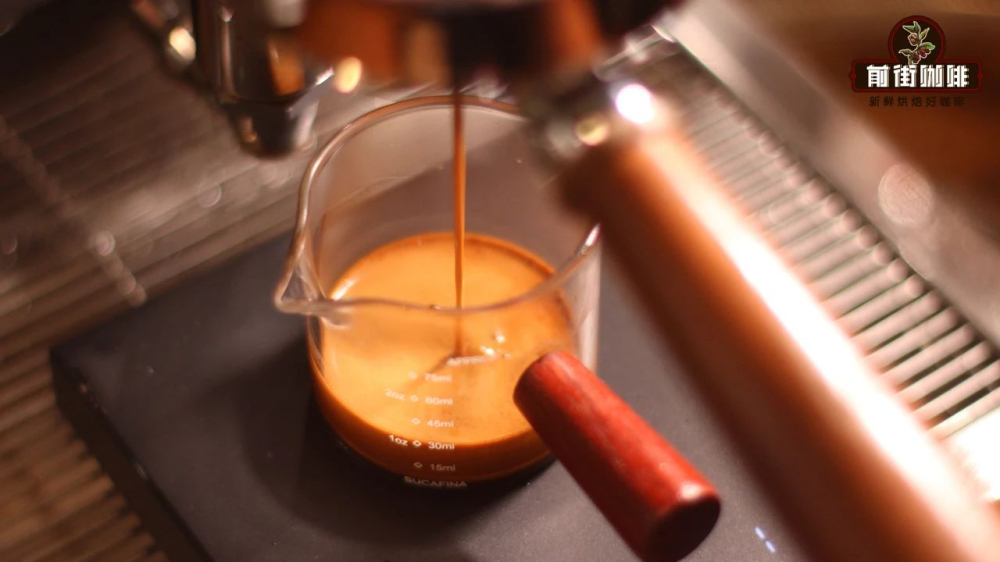
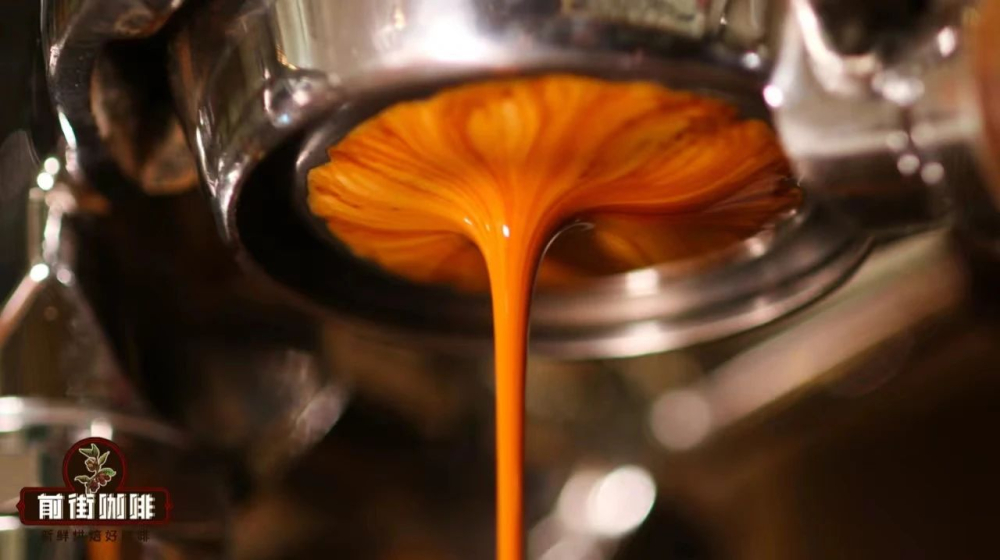
For the blend with the above roast level, it is recommended to use the P600N grinder, set to grind size #1.8, with 20 grams of coffee grounds, extracting 40 grams of coffee liquid, achieving a 1:2 powder-to-liquid ratio, and controlling the total extraction time within 28 seconds. Under these parameters, the flavor profile exhibits a smooth mouthfeel and medium body, with noticeable fruit acidity accompanied by berry and wine notes, rich chocolate flavors, and excellent sweetness.
If making Americano, it is recommended to mix a 1:5 ratio of espresso to water, bringing out sherry-like aromas, vanilla cream flavors, along with a slight tipsiness and clear cocoa and caramel tones. As for latte, a 1:6 ratio of coffee to milk is suggested, highlighting rich chocolate milk flavors, outstanding sweetness, and a smooth texture.


The above content is compiled by CoffeeHunters, a coffee news website.

