








Introduction:To brew a rich and full-bodied espresso, choosing the right coffee beans is key. This article takes an in-depth look at the pros and cons of espresso blends and single-origin beans (SOE), covering flavor characteristics, roast levels, and storage methods to help you select the most suitable beans based on your needs, and master professional pre-brewing preparation techniques.
Espresso is not only a concentrated extraction method but also the base for many classic coffee beverages. However, many coffee beginners often feel confused about “whether to choose a blend or a single-origin bean (SOE),” and there are also many misconceptions about roast levels and storage. In fact, both types of beans have their strengths—understanding their characteristics is the key to achieving your ideal espresso flavor.

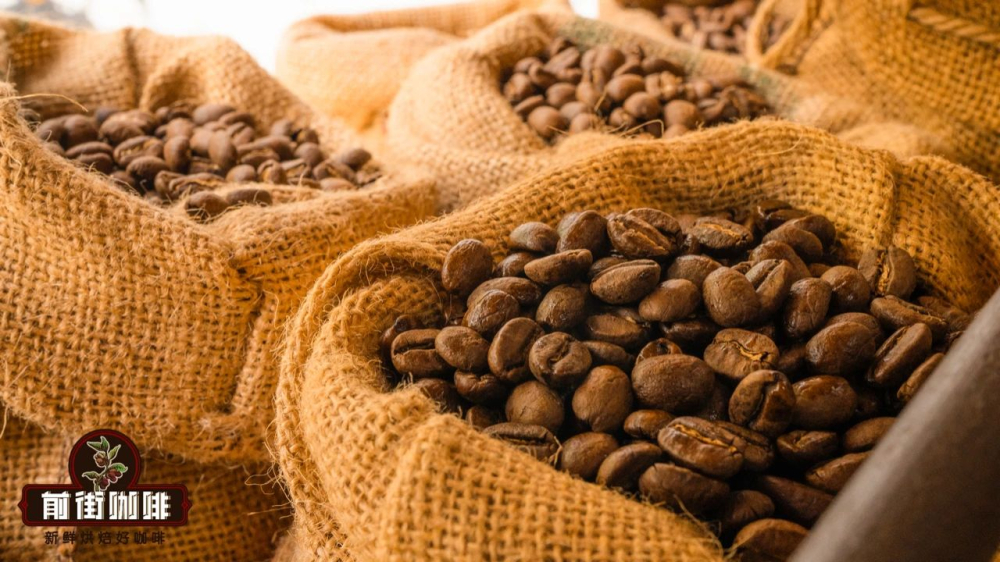
First, regarding storage, whether it’s a blend or a single-origin bean, freshness is the key factor that affects extraction performance. It is recommended to purchase beans with a one-way degassing valve in their original packaging and start using them within 5 days after roasting to ensure the flavors are at their peak. Ground coffee loses its aroma quickly, so it is not advisable to grind it in advance and store it. If possible, it’s best to grind the beans just before brewing to preserve the most complete aromatic molecules.
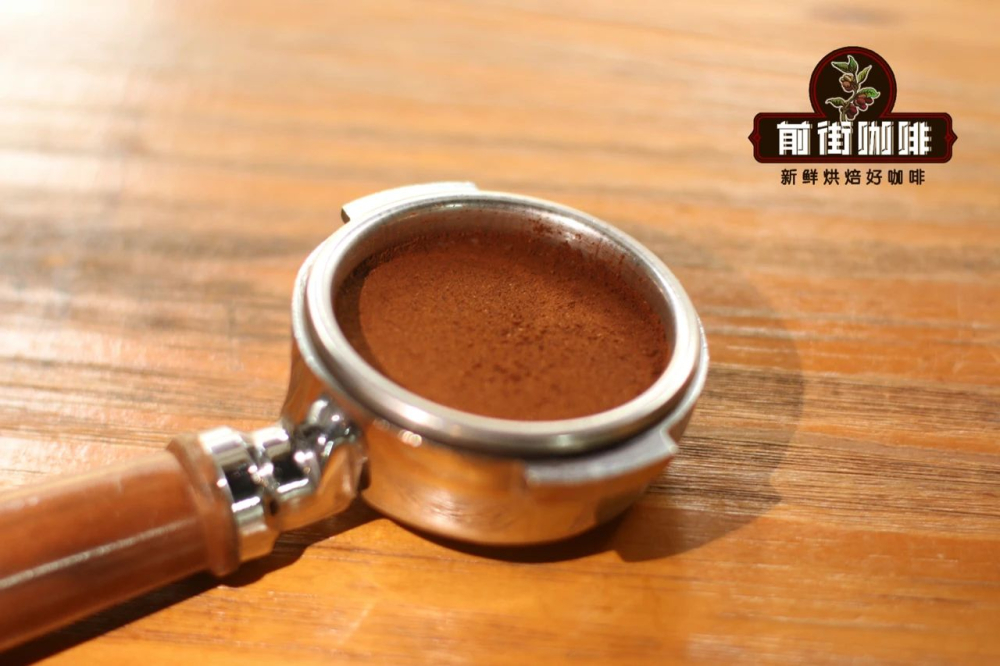
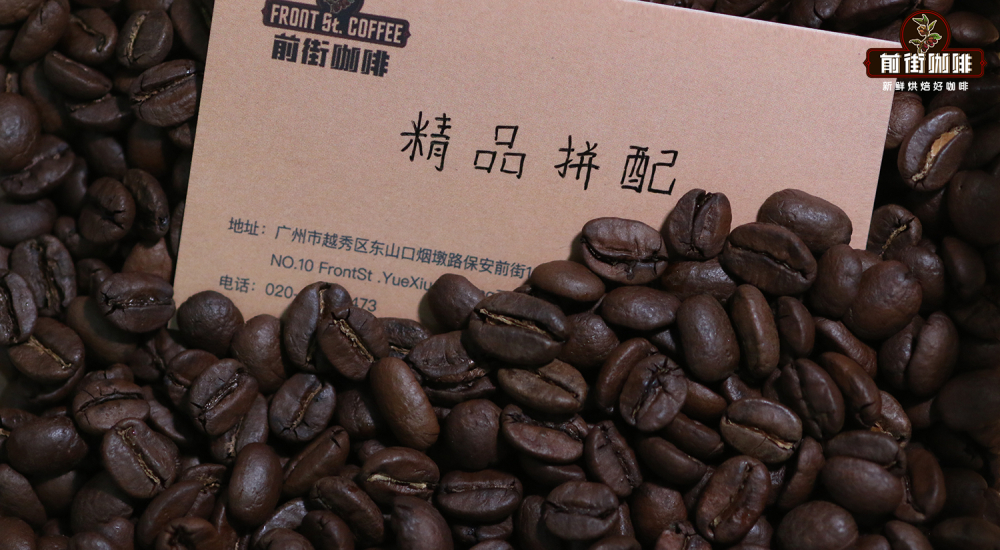
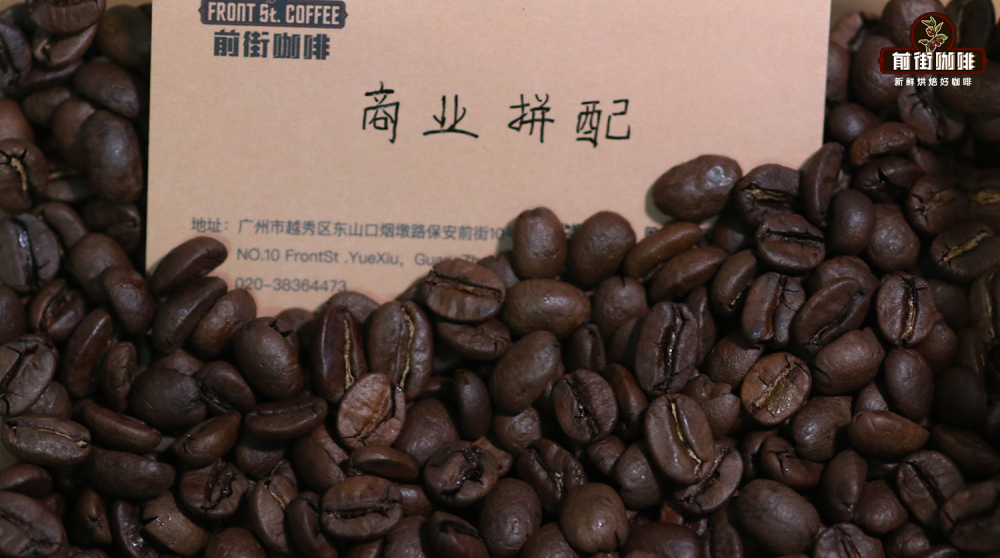
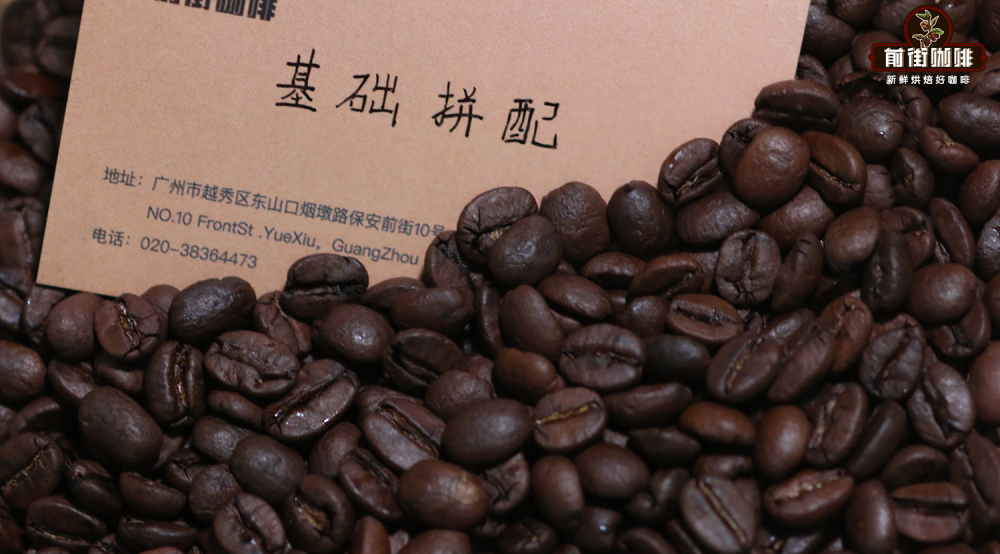
So, when making espresso, should you use a blend or a single-origin bean (SOE)? Both can be used to make espresso, but they perform differently. Blends are typically composed of 2–4 different regional beans, aiming to balance flavors, stabilize extraction performance, and control costs. The advantage of blends is that they provide a consistent, rich taste, making them suitable for commercial use. On the other hand, single-origin beans highlight the unique flavors of a specific origin—such as bright acidity and floral or fruity notes—but they have a higher extraction threshold, lower stability, and are usually more expensive.
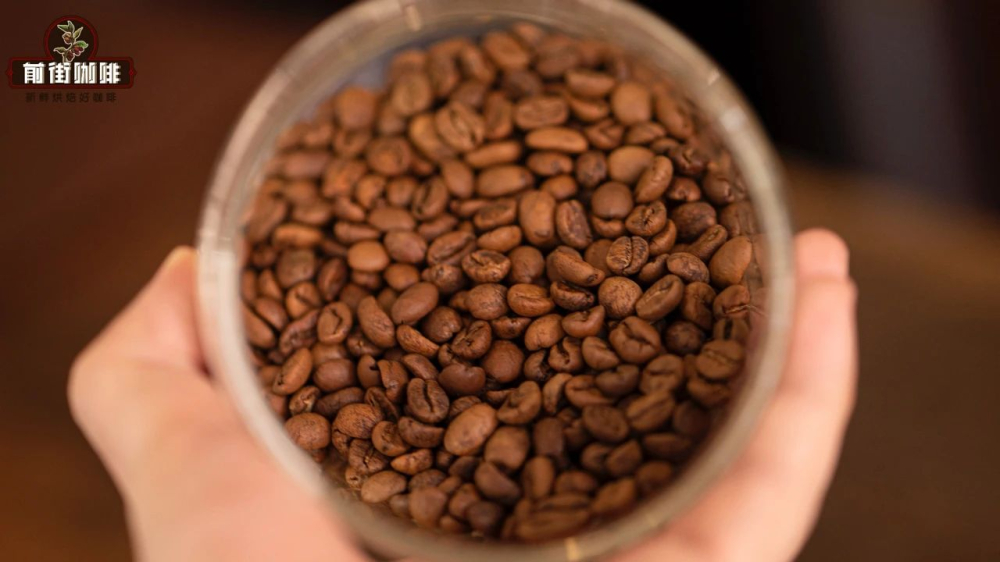
In practical applications, many coffee shops prefer to use blends to make espresso, precisely because of their stable performance. Take medium-dark roast as an example—it is the most common espresso roast level—which brings out intense caramel, chocolate, and nutty notes, while also encouraging the release of more carbon dioxide from the beans, helping to stabilize extraction. However, it’s important to note that freshly roasted beans need to rest for 5–6 days to allow the internal carbon dioxide to escape through the one-way valve in the packaging, preventing it from affecting extraction flow rate and flavor balance.
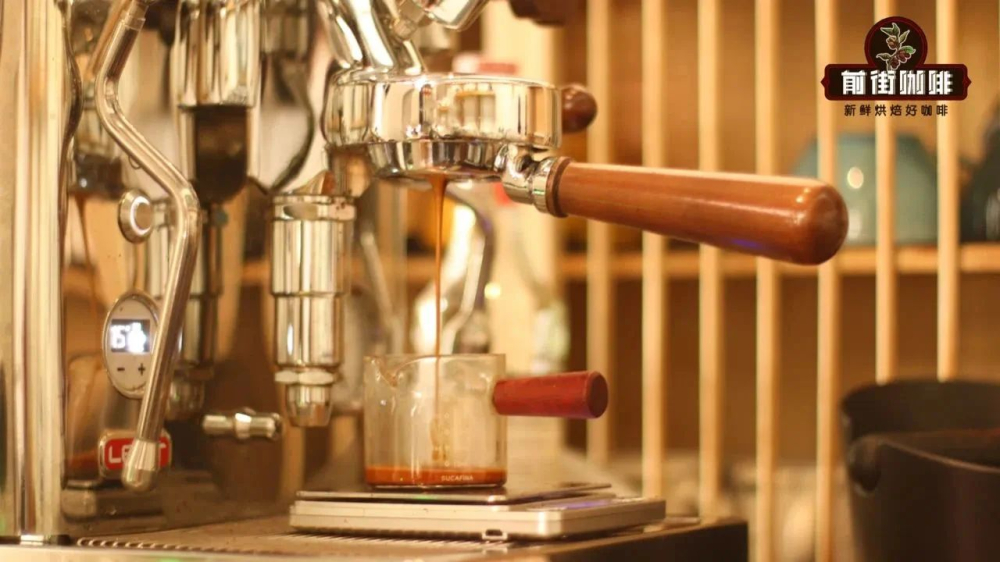
In contrast, although light roast beans can showcase rich acidity and fruity notes when brewed via pour over, under high-pressure espresso extraction, they tend to release overly sharp acidity. Moreover, due to the shorter roasting time, the caramelization reaction is insufficient, often resulting in a thin mouthfeel and lacking the full-bodied richness expected in espresso. Therefore, if your goal is to brew a rich and full-bodied espresso, a medium-dark roast is still the top choice.
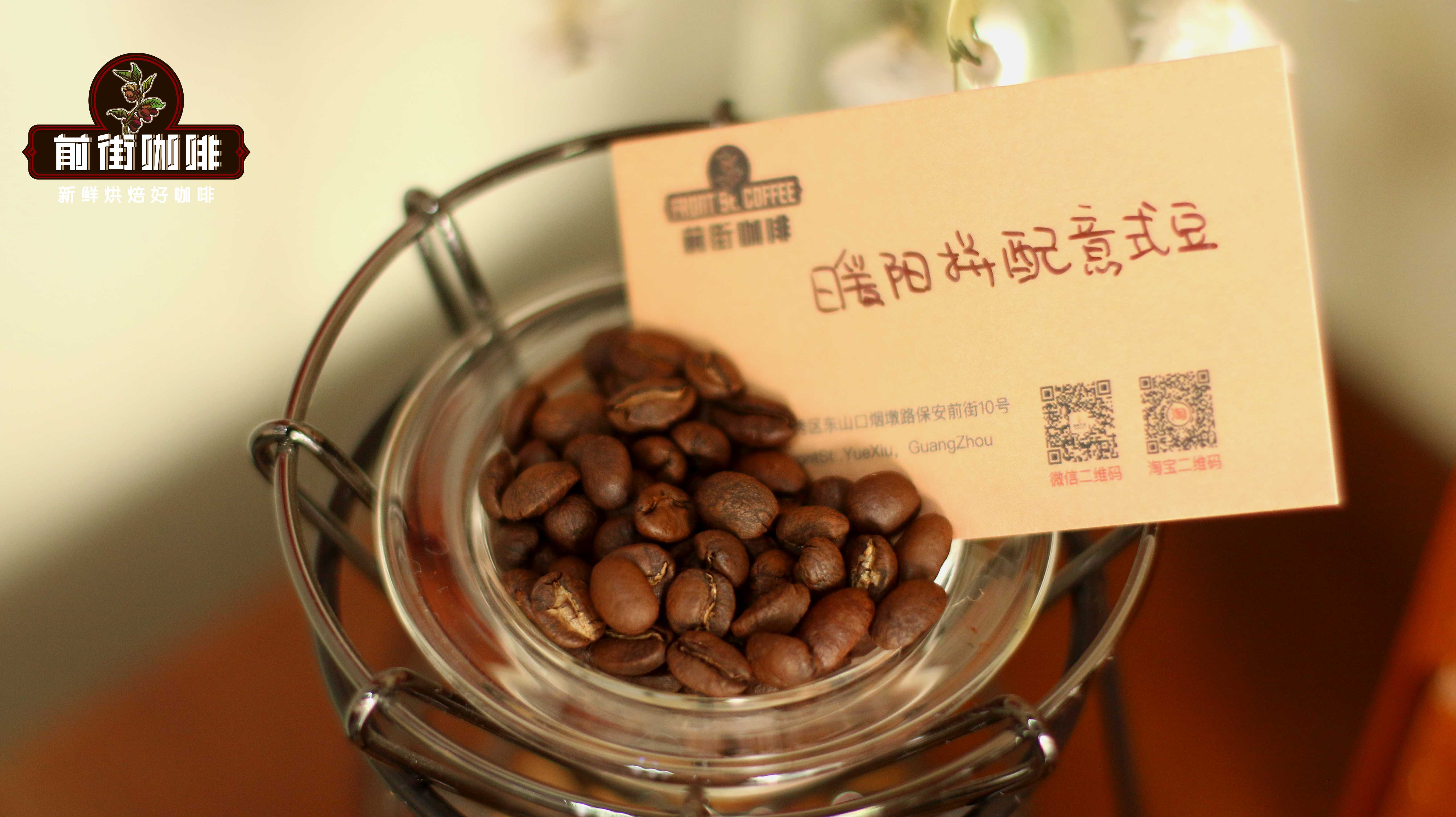
Additionally, many people ask: “Does an espresso blend count as specialty coffee?” The answer is yes. As long as each coffee bean used in the blend meets the definition of specialty coffee—including traceable origin, refined processing methods, and cupping scores that meet the standard (usually above 80 points)—whether single-origin or a blend, it can be classified as specialty coffee. Therefore, a blend does not mean low quality—in fact, it may be a professionally designed, premium formula tailored for specific extraction needs.
Finally, regarding the question “Is it normal for espresso coffee beans to have acidic notes?” the answer is also yes. The acidity in espresso can come from the inherent characteristics of the bean variety—for example, certain regional coffees naturally have bright fruity acidity, which can appear in both blends and single-origin beans. But if the acidity is too prominent or unpleasant, it may be related to the roast level, grind size, extraction time, or pressure. It’s recommended to adjust these variables step by step to find the balance that suits your taste best.
The above content is compiled by CoffeeHunters, a coffee news website.

