







Introduction:Want to understand the characteristics of SOE (Single Origin Espresso) coffee beans, and why some beans aren’t suitable for espresso? This article delves into the differences between SOE and pour over single-origin beans, explores which beans are suitable for making espresso without becoming overly acidic, and explains how blends balance flavors to help you choose the most suitable beans based on your preferences.
SOE (Single Origin Espresso, 單一產地濃縮)has become a common option in the specialty coffee scene in recent years. Many people mistakenly believe that single-origin beans are inherently superior to espresso blends. However, single-origin beans often emphasize regional characteristics—for example, African beans frequently exhibit pronounced citrus or berry acidity. These traits can shine brilliantly in pour over brewing, but when used for espresso, they may amplify certain flavors, even resulting in an unbalanced, overly sharp acidity.
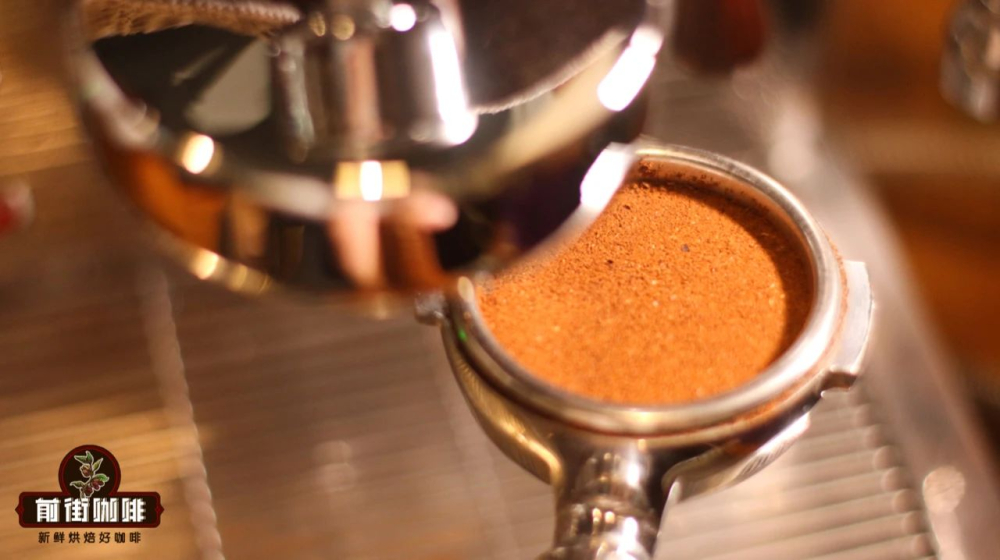
To understand the characteristics of SOE, it’s essential first to grasp the extraction principles behind espresso.An espresso machine uses approximately 9 bars of high pressureto force nearly boiling water through an extremely finely ground, tightly packed puck of coffee grounds, extracting a thick and intense coffee liquid. This process highly concentrates the soluble substances in the beans. If a bean with a distinct flavor profile is used, it could lead to overly prominent or unbalanced acidity.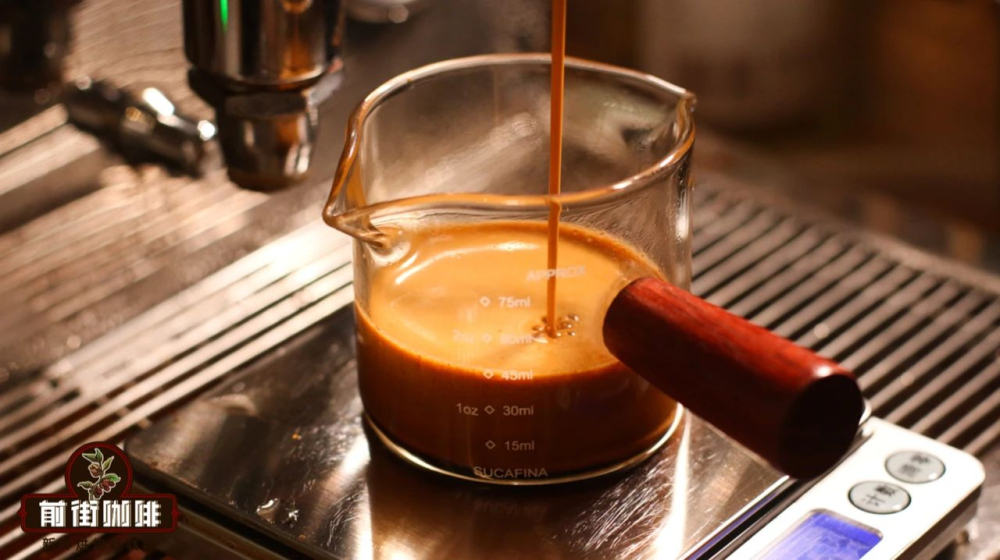
Single-origin coffee beansrefer to beans sourced from a single region, or even a single farm and variety, emphasizing traceability and regional flavor characteristics. Driven by the third wave of specialty coffee, more and more consumers are paying attention to the origin, processing method, and variety of their coffee, leading to increased popularity of single-origin beans. These beans are typically best suited for brewing methods like pour over, cold drip, or cold brew, allowing their delicate regional features to shine.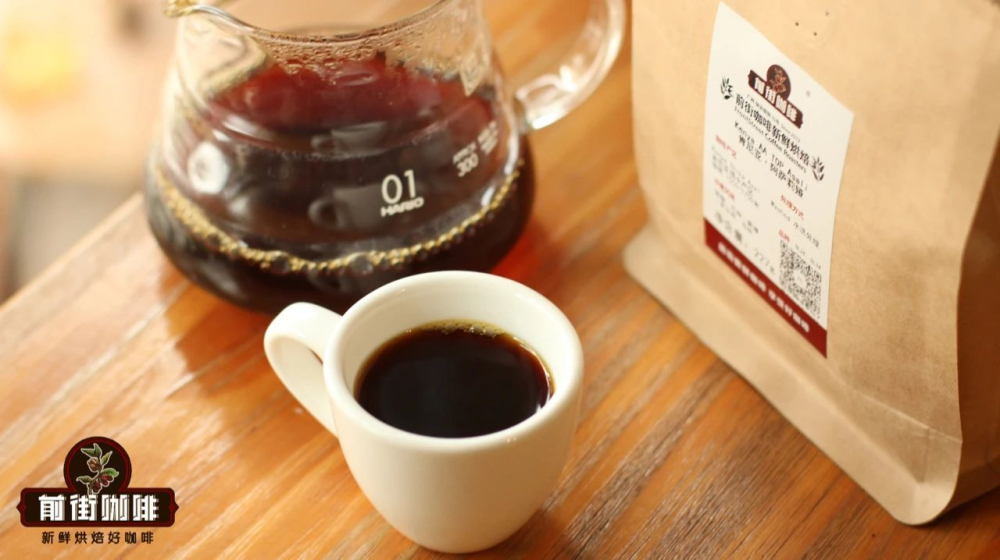
However, the flavor characteristics of single-origin beans are not necessarily well-suited for espresso. For instance, a well-known café’s Kenyan single-origin beans are famed for their bright berry acidity. If used to make an SOE, they might highlight an unpleasant sharpness rather than a harmonious overall profile. As a result, many cafés opt for blends specifically designed for espresso machines to ensure balanced extraction flavors.
Blends (also called 综合豆 / mixed beans)are made by combining various single-origin beans in specific proportions, aiming to merge the strengths of different beans while minimizing the weaknesses of any single flavor. For example, blending beans with high body and those with bright acidity can create a smoother and more layered taste. Blending methods are divided into “pre-roast blending” (mixed before roasting) and “post-roast blending” (mixed after roasting), each affecting the final flavor differently.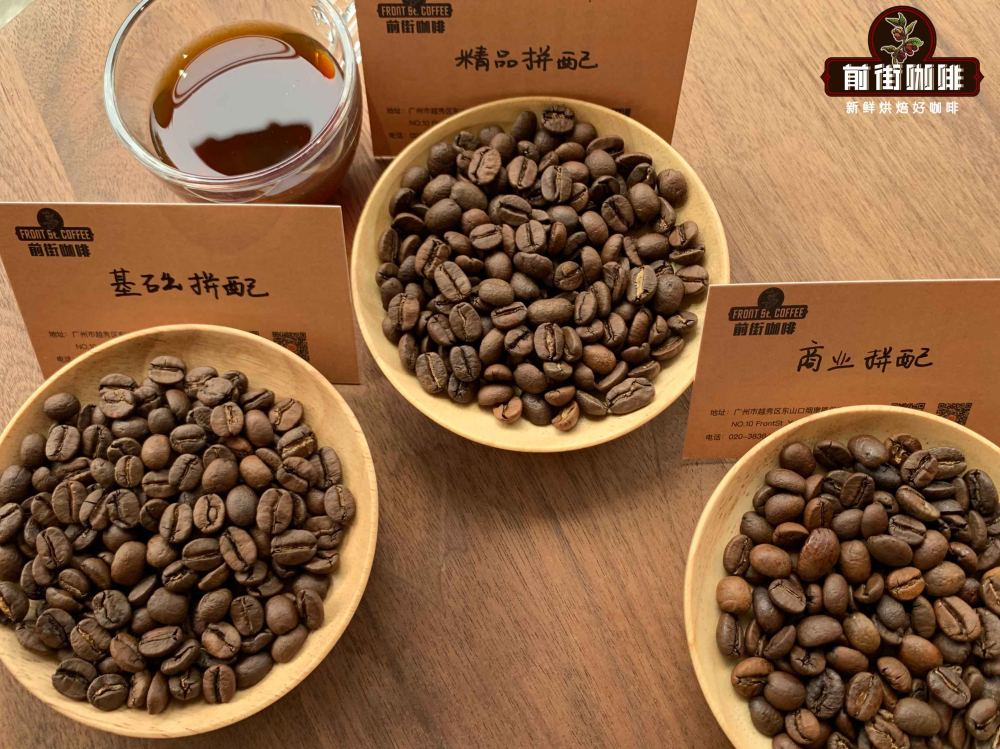
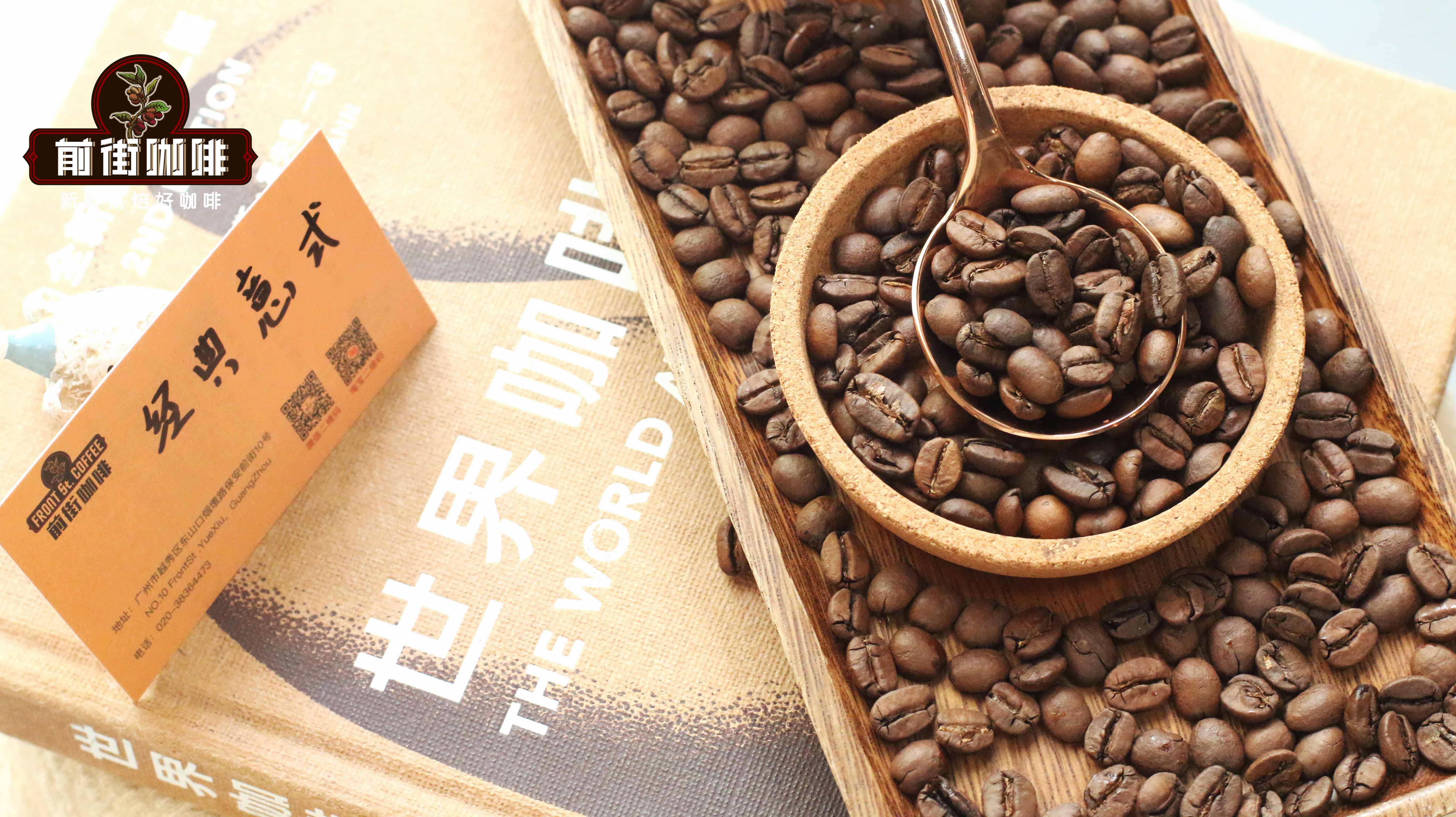
Commercial espresso blends are usually carefully crafted to meet the needs of common espresso-based drinks such as Espresso, Americano, Latte, or Cappuccino. These beans offer more balanced, smooth, and consistent flavors that cater to a broad audience. For example, some blends use dark roasting to enhance the richness and thick crema of the coffee, delivering excellent results whether prepared as an Americano or a latte.
Another advantage of blends is their ability to mask certain off-flavors and, through the complementarity of beans from different regions, create unique taste profiles. For instance, a blend with wine-like aromatic notes might come from beans that underwent low-temperature fermentation in whiskey barrels, giving the coffee a sweet vinous aroma and complex layers. Such special processing techniques and blending skills require roasters to have an in-depth understanding of the beans’ characteristics and roasting craftsmanship.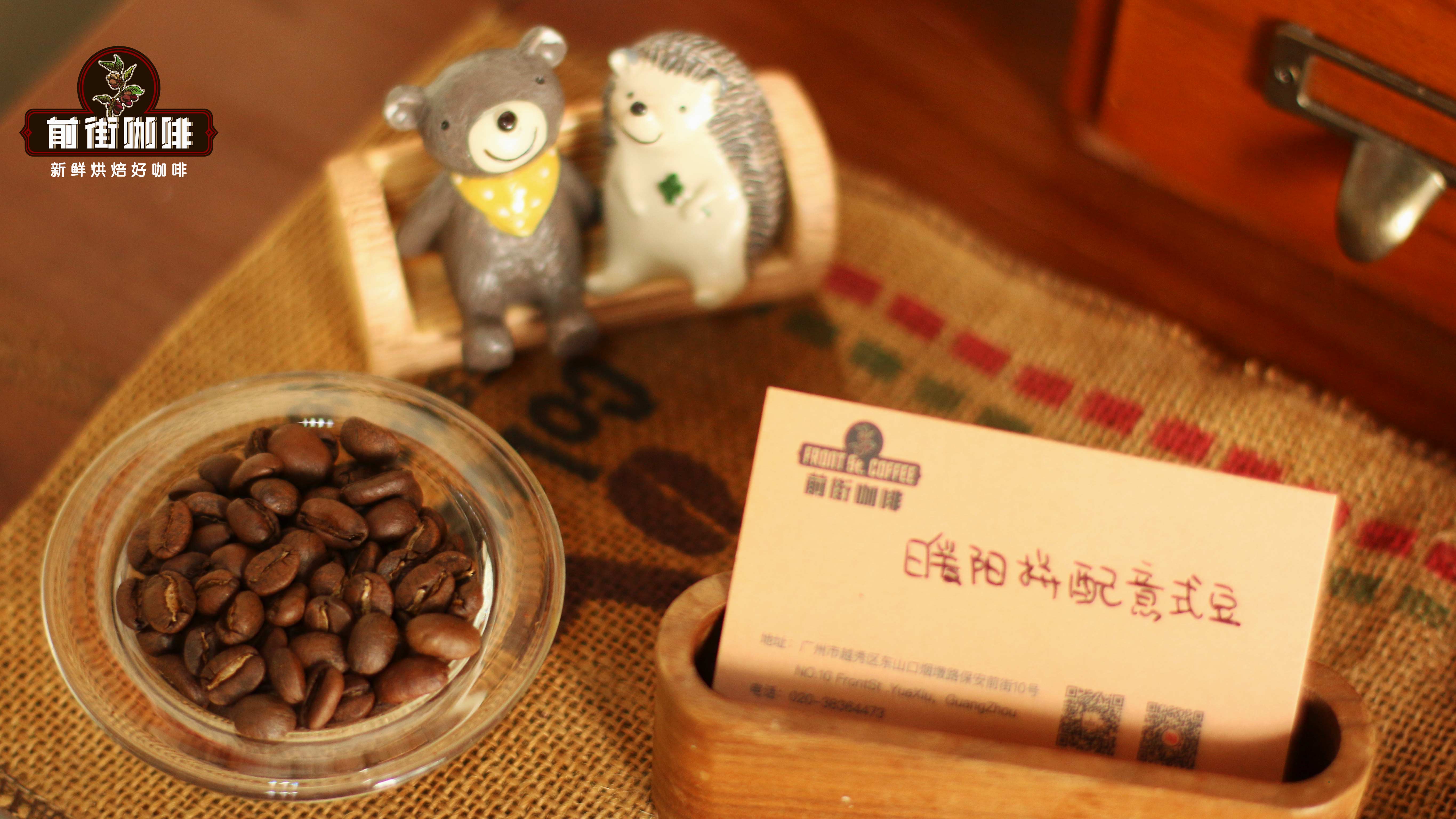
In summary, although both pour over single-origin beans and SOE come from a single region, their design purposes and brewing methods are fundamentally different.Pour over beans emphasize detail and regional characteristics, suiting low-pressure slow extraction; whereas SOE or espresso blends must consider flavor balance under high-pressure extraction. If you’re keen to try SOE, it’s recommended to choose beans specifically designed for espresso to achieve the best flavor performance.

The above content is compiled by CoffeeHunters, a coffee news website.

