







Introduction:A deep dive into the fundamental differences between Italian-style blends and single-origin espressos (SOE), covering bean variety combinations, roasting strategies, and extraction performance to help readers choose the right beans based on flavor preferences. This article also provides practical espresso ratios and brewing tips so you can recreate café-quality balanced flavors at home.
In the world of Italian coffee, blends have long been the mainstream choice, beloved by coffee enthusiasts for their bold and layered flavors. Compared to the single-origin espresso (SOE) trend that has emerged in recent years, blends achieve a more balanced flavor profile through the artful combination of beans from different regions. So how do you choose between a blend and an SOE? Which brewing methods suit each best? The following will break down their core differences and offer practical advice.
What is a coffee blend?
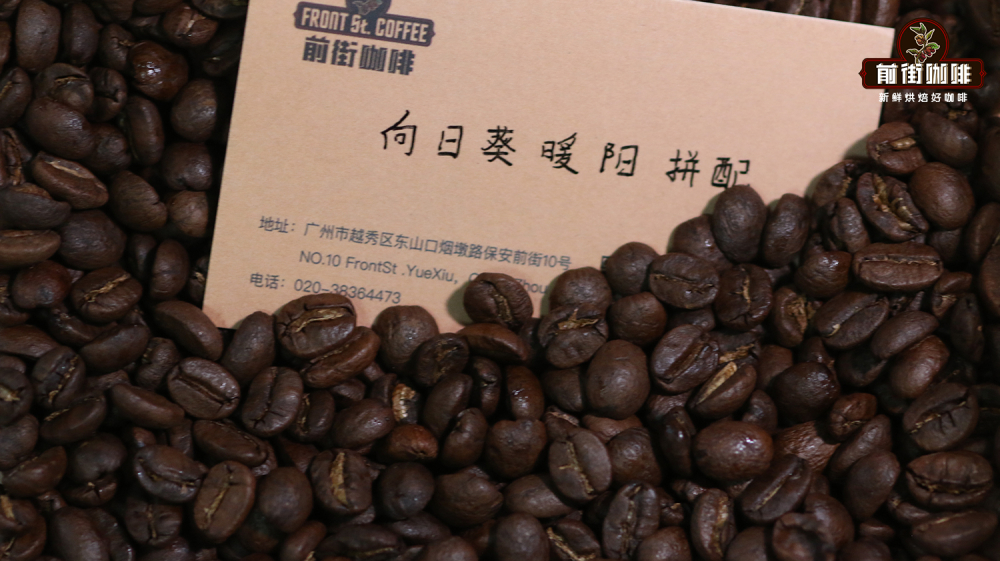
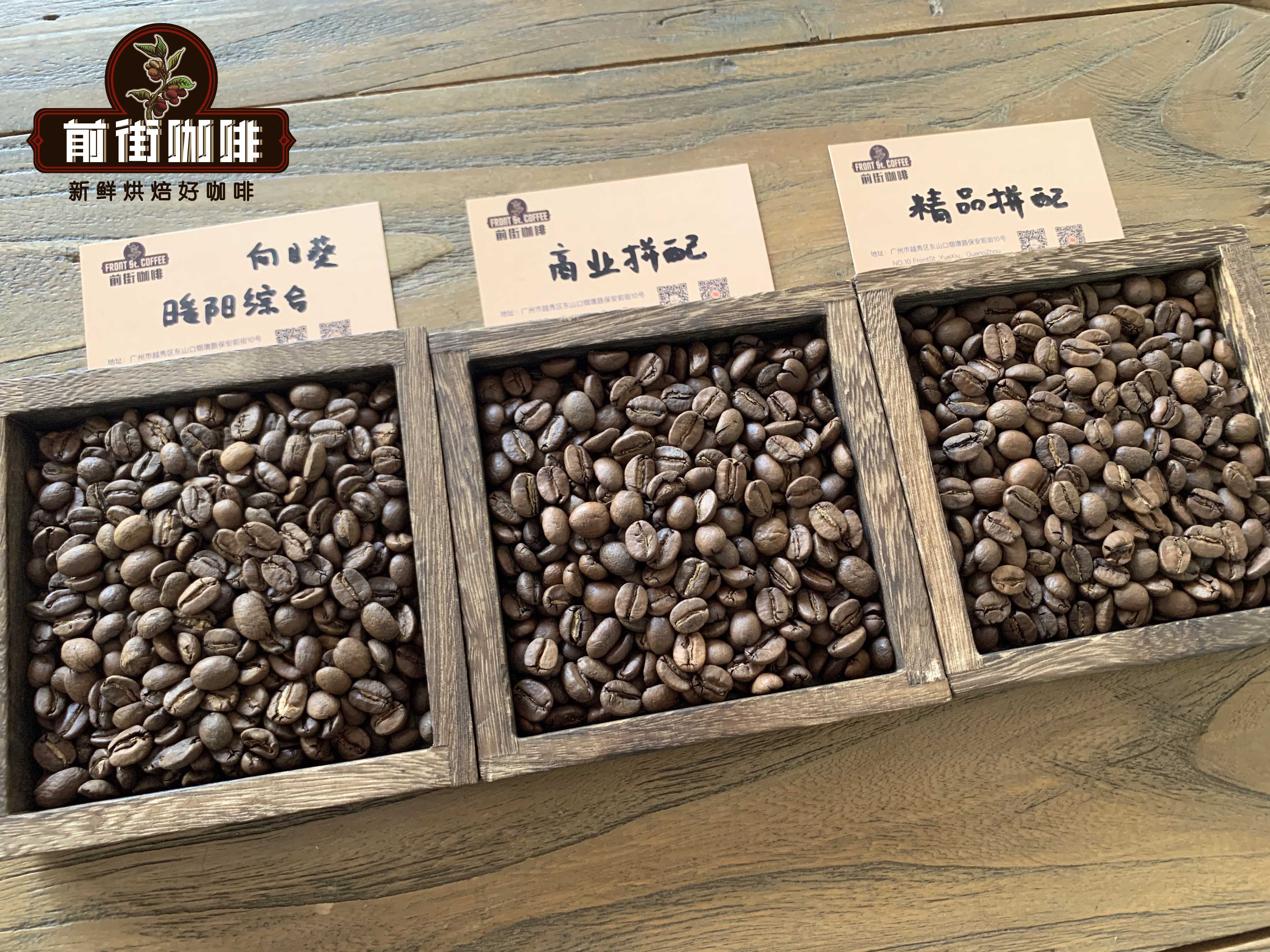
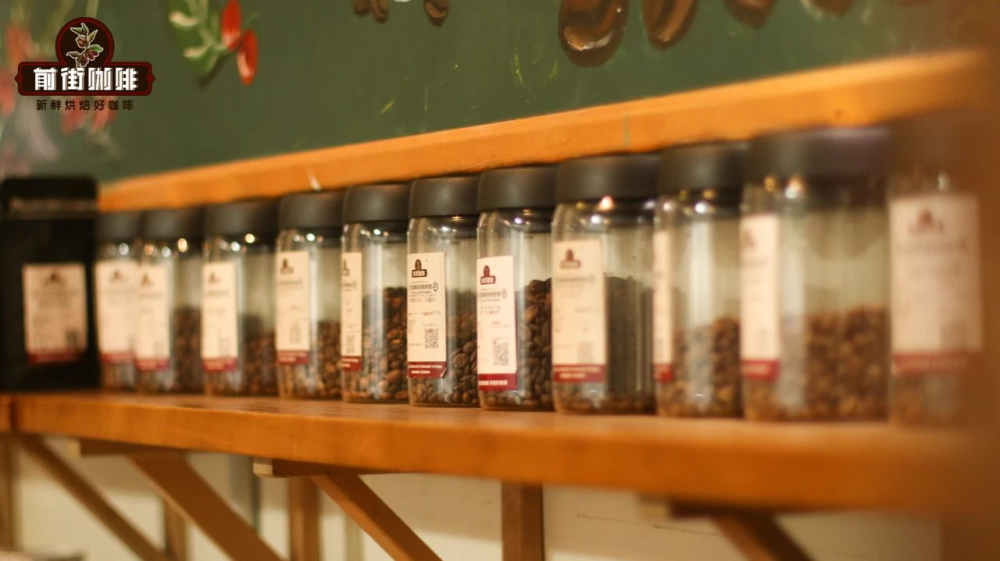
A coffee blend, also known as a mixed coffee, is a blend of two or more coffee beans from different regions, combined in specific proportions. This blending can be done before roasting (green blend) or after roasting (roasted blend), with the goal of creating a more harmonious flavor profile through the complementary qualities of each bean variety. For example, if one bean has prominent aroma but a thin body, it can be paired with another that is rich but less flavorful, thereby enhancing the overall performance. Blending not only amplifies strengths but also effectively minimizes potential flaws of individual beans.
Which is better tasting, blends or SOE?
Many consumers wonder, if single-origin coffee can showcase regional characteristics, why bother with blends? In fact, blends are typically designed with clear goals in mind—such as maintaining flavor consistency, controlling costs, or creating a unique composite flavor. With careful selection and proportion adjustments, high-quality blends can even deliver more complex layers than single-origin coffees. Whether green or roasted blended, the key lies in whether the recipe is well-designed, not merely in the number of bean varieties. It’s worth noting that price and quality are often closely related, and comparing low-cost blends with premium SOEs in terms of flavor is not entirely fair.
Three main design purposes of blends
The design of coffee blends usually revolves around three primary goals. First, some shops may mix high- and low-cost beans to reduce expenses, but such blends often struggle to deliver standout flavors. Second, blends help maintain a consistently stable flavor profile over time, avoiding significant taste fluctuations caused by seasonal changes in single-origin beans. Lastly, and most importantly, blends can create unique flavor combinations that single-origin coffees cannot achieve—for instance, by balancing acidity and sweetness or enhancing body to deliver a more layered taste experience.

Actual flavor performance and examples
Taking common market blend recipes as examples, some blends combine regions with high sweetness and pronounced acidity to achieve a balanced sweet-and-sour taste. Other recipes include full-bodied base beans like Brazilian beans to boost overall richness. Such blends not only mask weaknesses of individual varieties but also amplify their strengths. For example, a blend using Honduran Sherry and Ethiopian Yirgacheffe Red Cherry in a 7:3 ratio can present distinct fruity acidity, berry aromas, and wine-like aftertastes, delivering a flavor performance that is in no way inferior to high-end SOEs.
Characteristics and differences of SOE coffee
SOE (Single Origin Espresso) refers to espresso made using beans from a single origin. This type of coffee clearly showcases the unique terroir characteristics of the region, such as bright acidity, distinctive fruit notes, or unique floral aromas. However, due to seasonal variations in a single origin, its flavor stability is generally not as consistent as that of carefully crafted blends. Additionally, SOEs respond more directly during extraction, demanding higher standards in both bean quality and roast level, making them ideal for coffee lovers who pursue regional character and pure flavor expression.
Espresso extraction recommendations
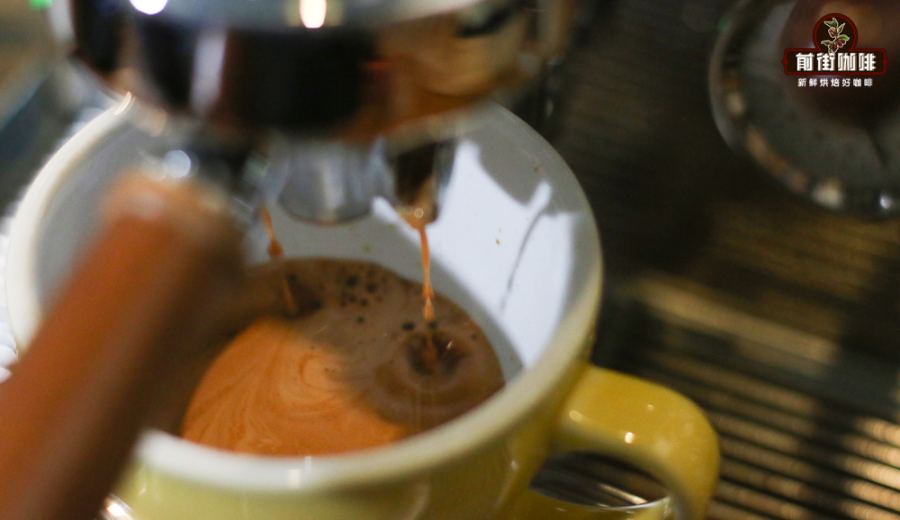
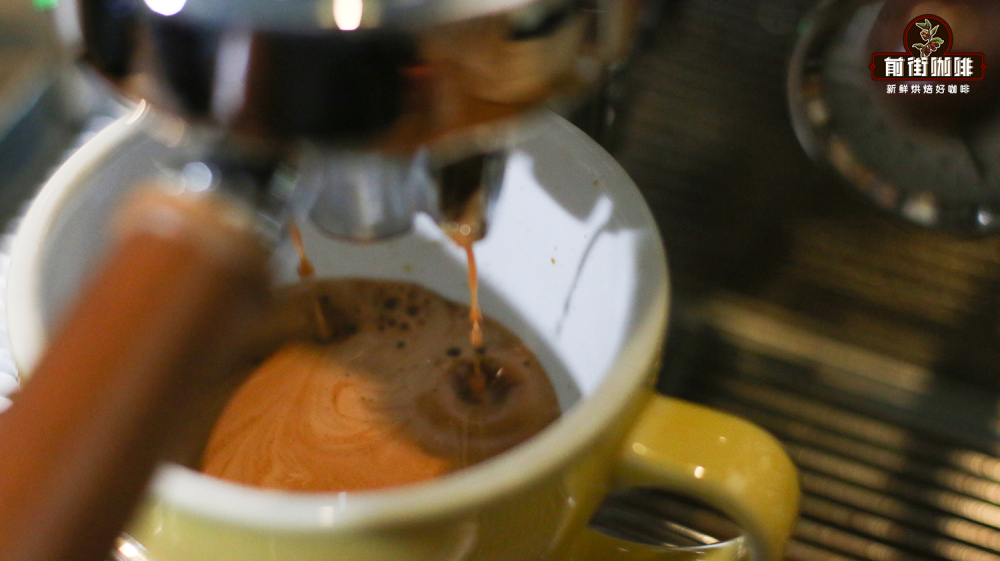
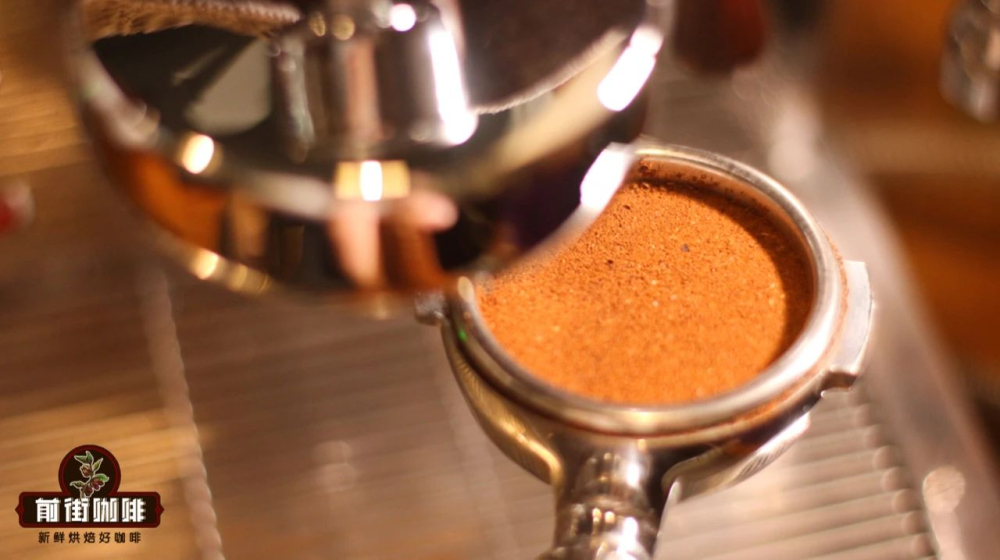
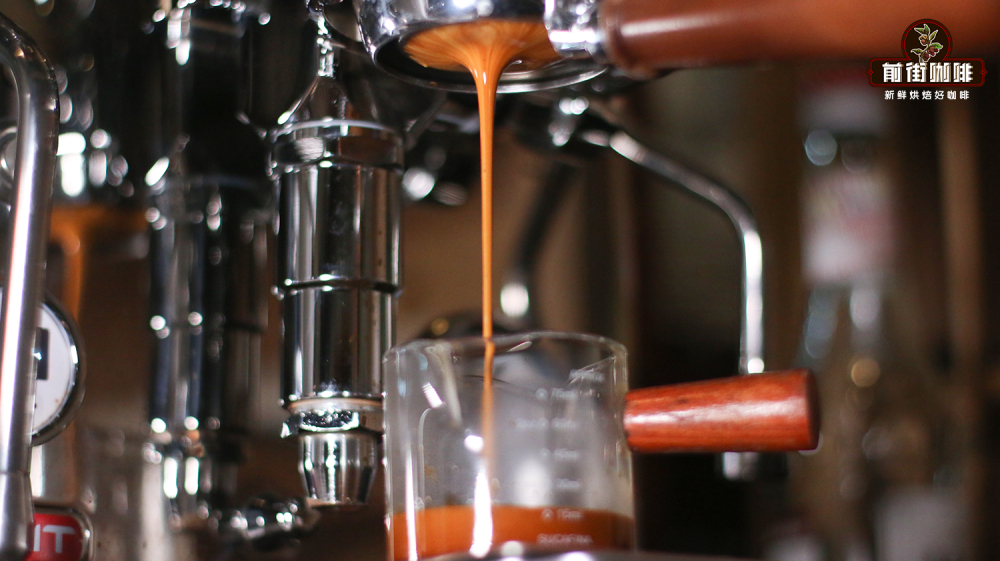
Whether using a blend or an SOE, the extraction parameters for espresso are crucial. A commonly recommended approach is to use 20 grams of coffee grounds to extract 40 grams of espresso within 26 seconds, a ratio that balances concentration and mouthfeel. For blends, this parameter helps fully express the composite flavors intended in the blend design, while for SOEs, it more directly highlights regional traits. In practice, it’s advisable to fine-tune grind size and tamping pressure based on the characteristics of the beans to achieve optimal extraction.
Daily consumption methods and pairing suggestions
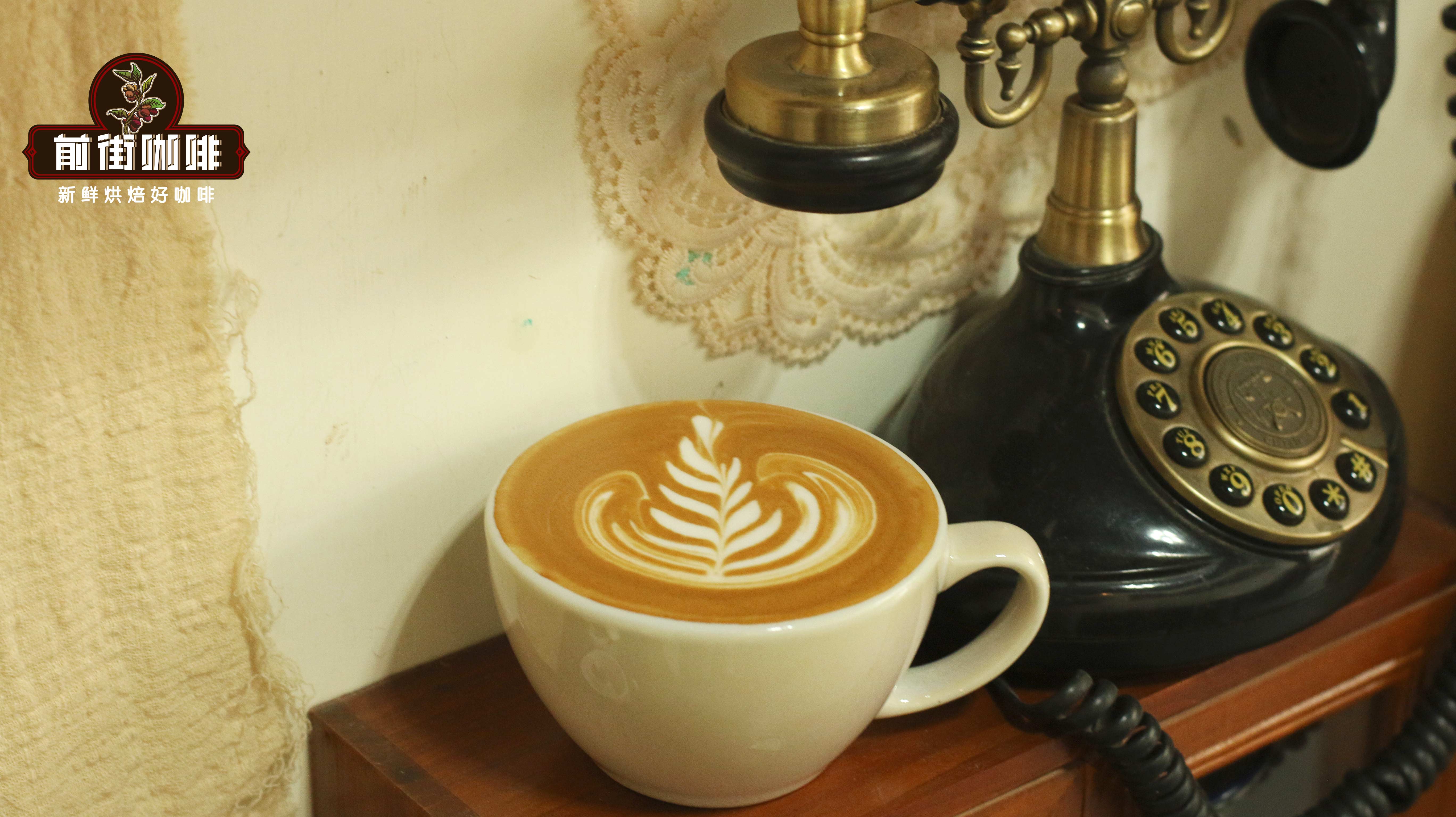
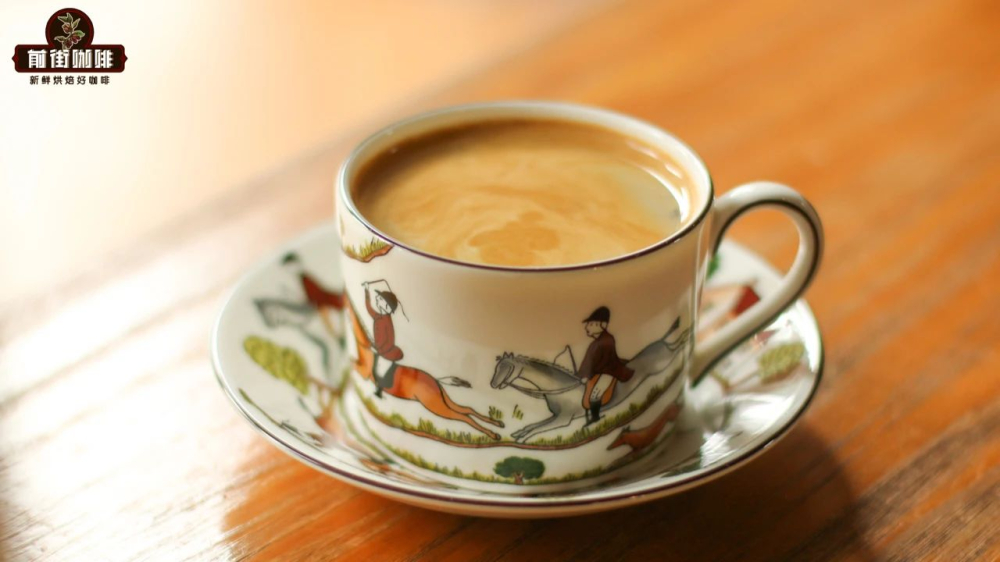
In everyday drinking, Italian-style blends are often used as a base to make milk-based drinks or americano by adding water—for example, combining 40 grams of espresso with 240 grams of steamed milk makes a classic latte, while adding 200 grams of hot water results in a traditional americano. These pairings effectively mellow the intense taste of espresso while highlighting the aromatic features of the beans.The brewing ratios in the photo can be used as reference, but actual ratios can be adjusted according to personal taste. Whether you choose a blend or an SOE, mastering basic extraction and blending techniques allows you to enjoy your own ideal coffee flavor.
The above content is compiled by CoffeeHunters, a coffee news website.

