








Introduction:In recent years, SOE (Single Origin Espresso) has become a popular choice in specialty coffee shops. But is this type of coffee truly superior to traditional blends? Which coffee varieties are suitable for making SOE espresso? This article delves into the definition of SOE, market misconceptions, analyzes the extraction performance of light to medium roasted beans, and addresses readers' curiosity about whether Ethiopian Yirgacheffe SOE Americano is worth trying.
What is SOE?
SOE (Single Origin Espresso) refers to espresso made using coffee beans from a single origin, region, or estate. With the rise of the specialty coffee trend, consumers are no longer limited to pour over experiences and have begun to seek espresso that can also showcase distinct regional flavors — this is the reason behind the rise of SOE.

In the past, the industry generally believed that blends could offer a more balanced and rich taste, suitable for the intense characteristics of espresso. Nowadays, however, more and more roasters and baristas are challenging themselves to present the layered complexity and unique personality of espresso using single-origin beans.
Is SOE more expensive because it tastes better?
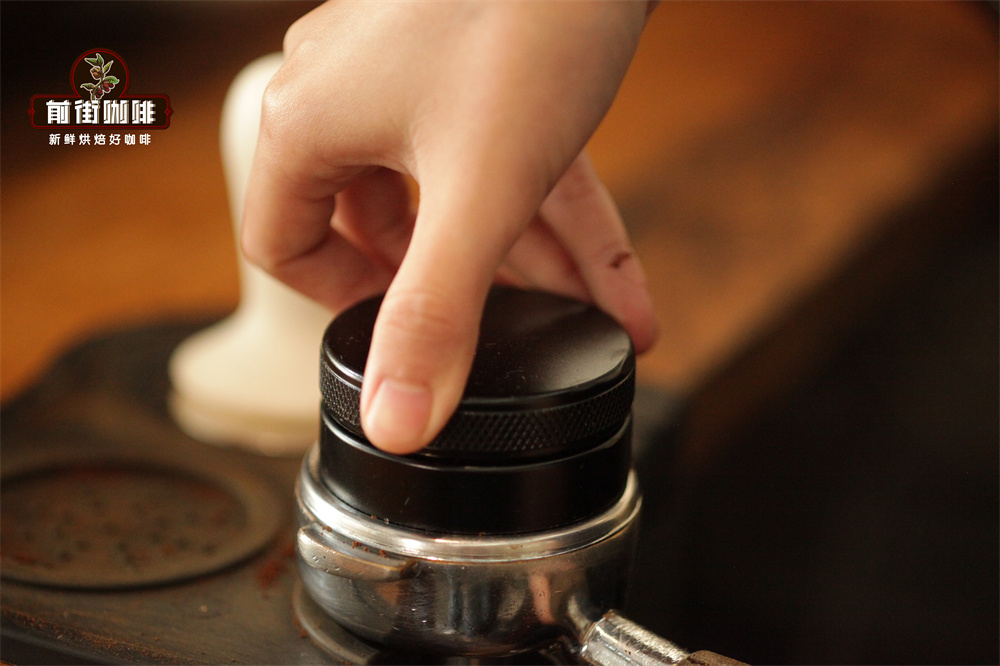
The answer is not necessarily.The high-pressure extraction of espresso amplifies all characteristics of the beans, including both strengths and weaknesses. For example, light-roasted beans may have bright and pleasant acidity when brewed via pour over, but when used for espresso, they might highlight an overly sharp acetic acid note. Dark-roasted beans, if not handled properly, can easily produce noticeable burnt bitterness and smoky off-flavors, affecting the overall drinking experience.
Why is SOE still favored by the market?
The popularity of SOE reflects coffee enthusiasts’ pursuit of “flavor identifiability.” Many consumers, and even some shop owners, hold the misconception that “beans that taste good as pour over will also taste good as espresso.” However,espresso demands higher stability from the beans, and single-origin beans are harder to control in terms of flavor consistency, which may result in different tasting experiences each time.
In contrast, blends, through the proportionate blending of beans from different regions, can maintain a more stable flavor profile, making them the preferred base for many professional shops when crafting espresso.
Is SOE worth following?
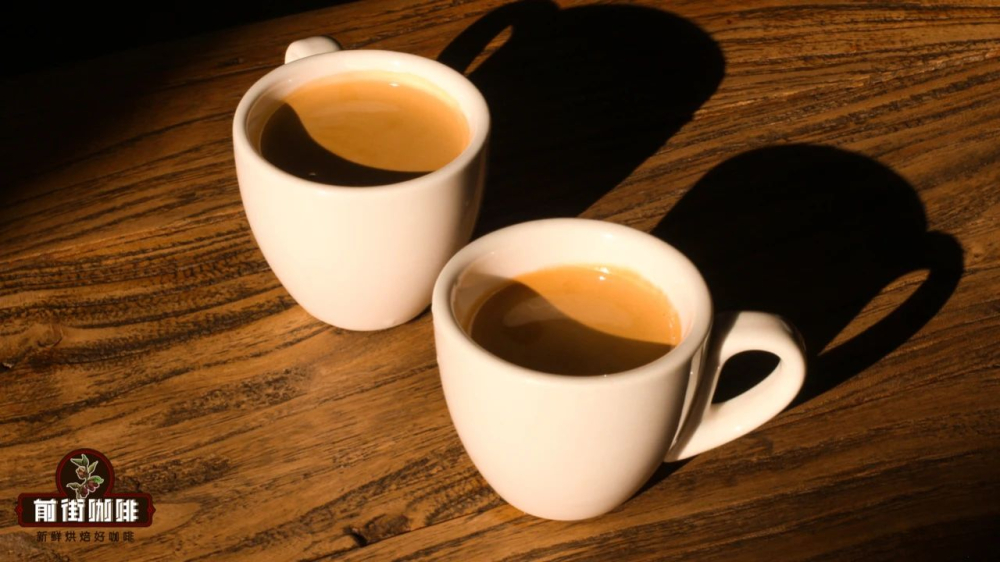
It is recommended that consumers approach the SOE trend rationally, rather than blindly chasing it. Some shops offer SOE as a limited or seasonal item, which can indeed bring a fresh experience. But using it as a long-term staple product may disappoint customers due to unstable flavor performance. Listening to professional baristas’ advice and personally trying and comparing different options is the best way to find what suits your taste best.
Which coffee beans are suitable for making SOE espresso?
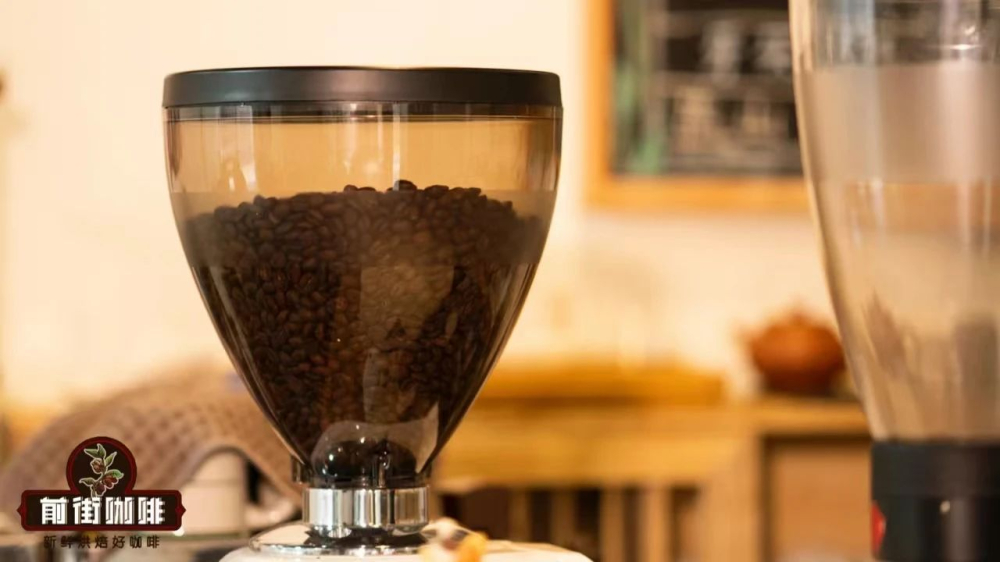
Not all single-origin beans are suitable for espresso extraction. It is recommended to choosebeans with a distinct flavor profile and well-balanced acidity and sweetness. Below are a few single-origin bean examples that performed well in actual tests (extraction parameters vary by equipment and need to be adjusted according to the actual machine):
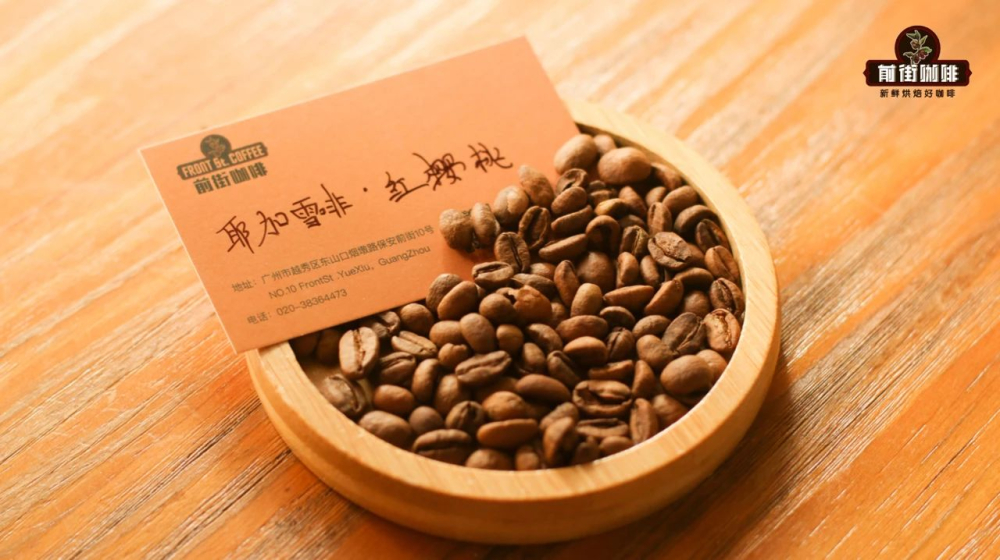
Light roast case: Ethiopian Yirgacheffe Natural Red Cherry
This Ethiopian bean, processed with the natural method, exhibits pronounced berry notes. When extracted as espresso, it delivers a gentle berry acidity and sweetness, with soft acidity that’s not overly sharp, and a caramel aroma in the aftertaste. As an Americano, the overall flavor becomes even more rounded. When paired with milk to make a latte, it highlights the sweetness of the milk and offers a honey-like finish.

Medium roast case: Costa Rica Mozart
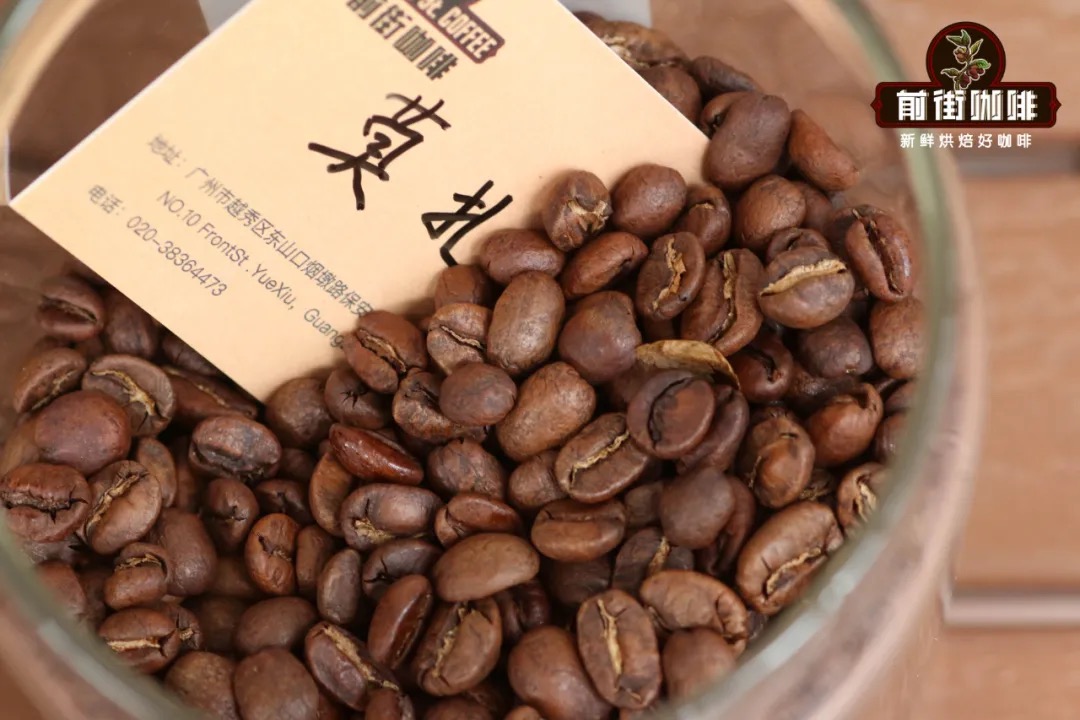
This medium-roasted bean features prominent raisin and fermented aromas, with a well-layered interplay of acidity and sweetness. The espresso extraction results in a clear flavor profile. When made into an Americano, one can clearly taste the fruity acidity and a hint of wine-like notes. When milk is added, the dried fruit aroma complements the creaminess of the milk, resulting in a smooth and dynamic overall mouthfeel.
In summary, SOE coffee offers a new dimension for exploring regional flavors, but not every single-origin bean is suitable for espresso extraction. When selecting, it’s advisable for consumers to learn more about the bean variety’s characteristics and roast level, and to personally compare different processing methods and roast styles to truly appreciate the unique charm of SOE.
The above content is compiled by CoffeeHunters, a coffee news website.

