







Introduction:Yirgacheffe coffee is renowned for its distinctive citrus acidity and fresh floral notes, making it one of the must-try regions for specialty coffee enthusiasts around the world. This article delves into the background of the Yirgacheffe origin, the characteristics of washed processing, and provides detailed pour over parameters as well as SOE espresso methods. Whether you're a beginner or an advanced coffee lover, you'll find a brewing style and flavor experience that suits you.
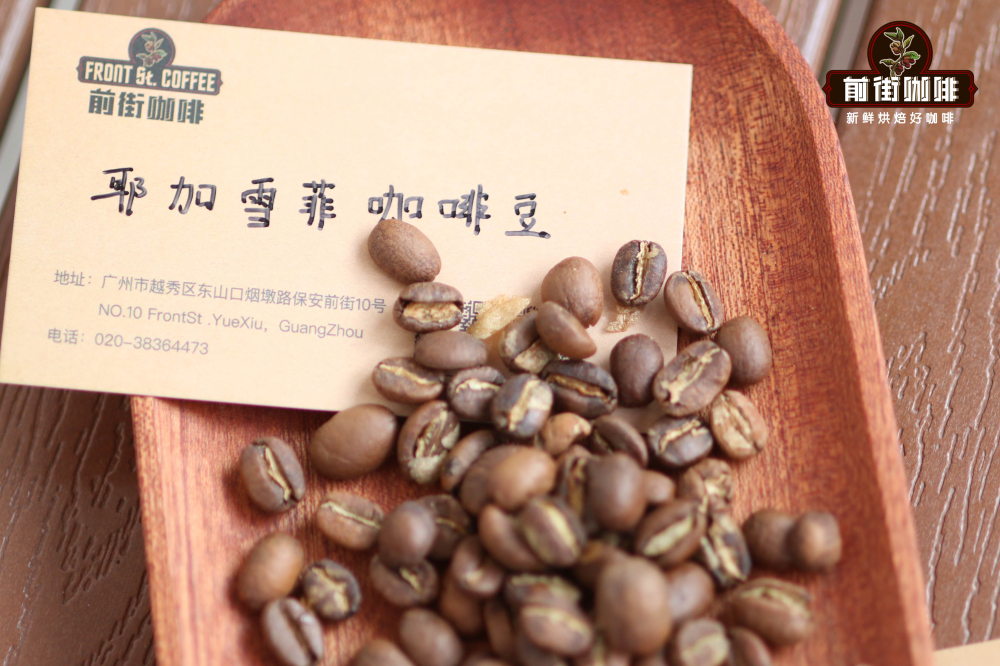
Coffee beans from Ethiopia’s Yirgacheffe region are celebrated for their bright, light acidity and rich fruity and floral aromas. Especially under light roasting, these beans often exhibit lively citrus-like acidity, delicate floral notes, honey-like sweetness, and a green tea-like finish. If roasted to medium or darker levels and used as a single-origin espresso (SOE), they present a softer fruit acidity, a creamy chocolatey mouthfeel, and cookie-like sweet notes, with a very captivating flavor profile.
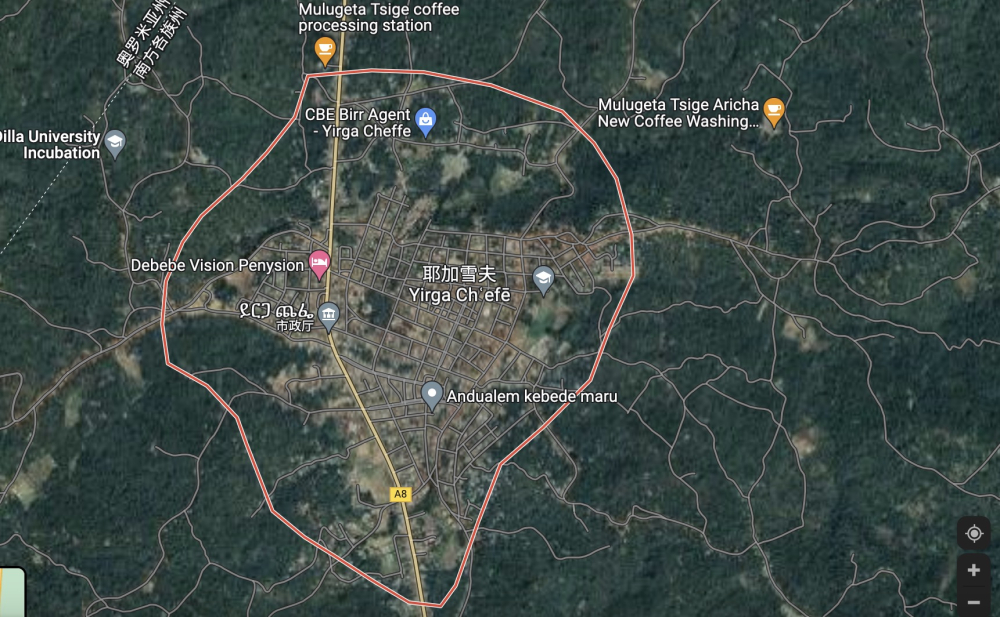
The term “Yirgacheffe coffee” refers to beans produced in the town of Yirgacheffe, Ethiopia. This small town, situated at an altitude of approximately 1,700 to 2,100 meters, was once part of the Sidamo region. However, thanks to the development of its washed processing techniques, it gradually developed unique flavor characteristics and eventually became an independent specialty coffee region, earning high praise in the global market.
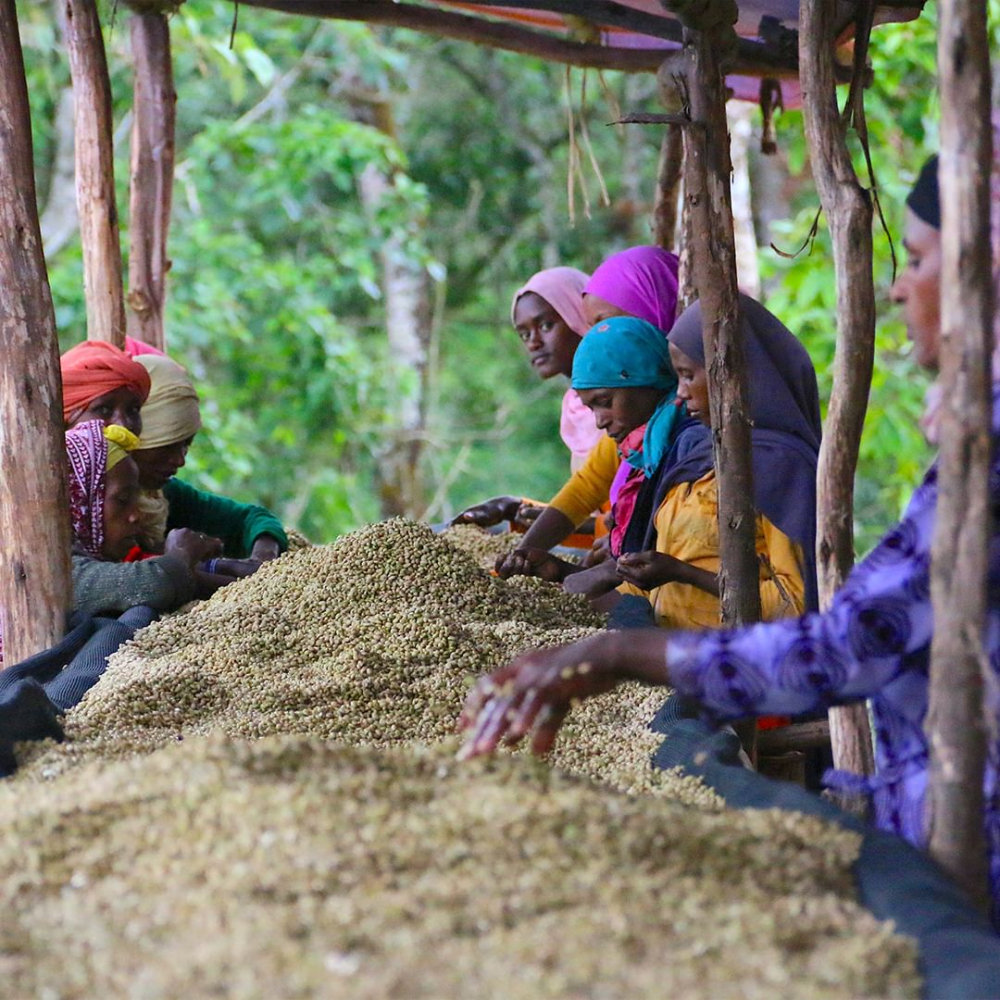
The reason Yirgacheffe can create such a vivid flavor profile lies not only in its exceptional geographic and climatic conditions but also crucially in its washed processing method. In the early days, the region primarily produced natural (sun-dried) coffee with relatively simple processing and inconsistent quality. It wasn’t until the 1970s, with the establishment of the first washing station, that a revolutionary transformation took place, laying the foundation for the flavors Yirgacheffe is known for today.
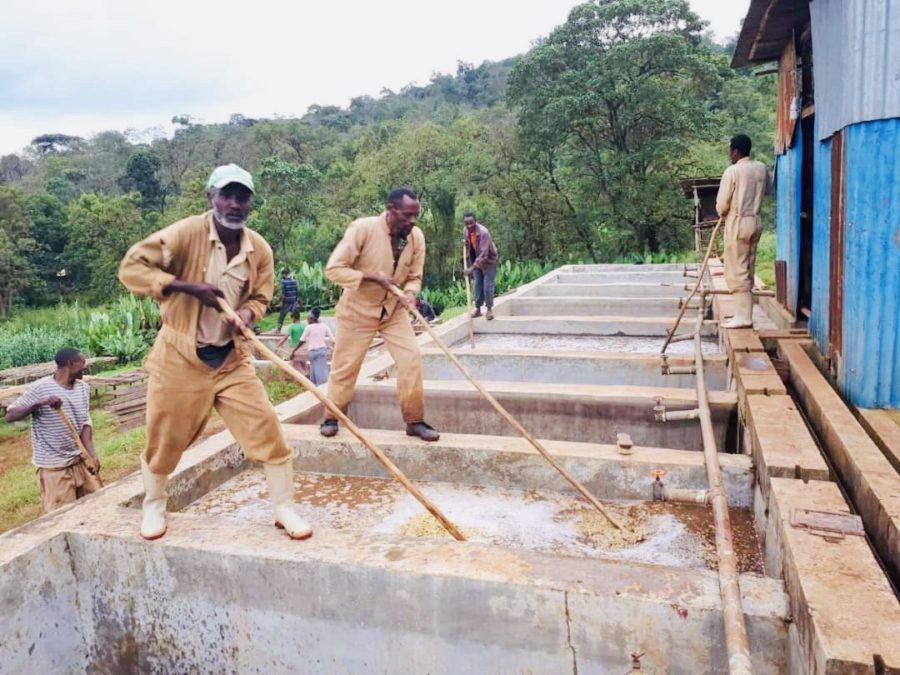
The washed process begins with selecting coffee cherries, which are then depulped by a pulping machine to remove the outer skin and pulp. The beans, still covered with some mucilage, are soaked in water for about 24 hours of fermentation. After fermentation, flowing water is used to wash away the remaining mucilage. The parchment-covered green beans are then either sun-dried or dried using a machine until the moisture content is reduced to around 12%. Finally, the parchment is removed to complete the process. This technique effectively enhances the coffee’s cleanliness and clarity of flavor, preserving the characteristic citrus, lemon acidity, and tea-like qualities of Yirgacheffe.
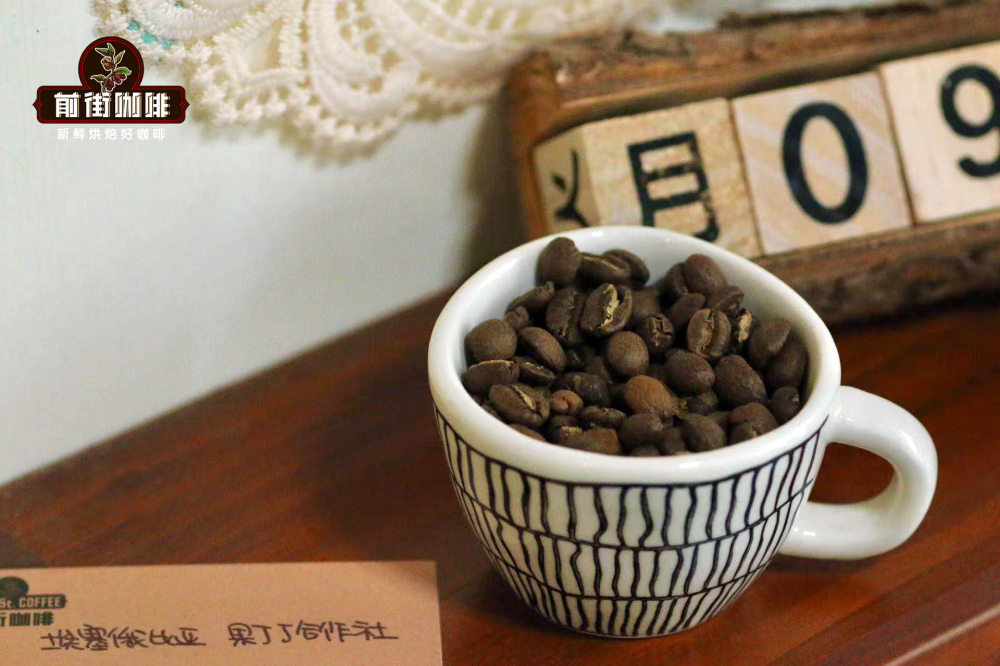
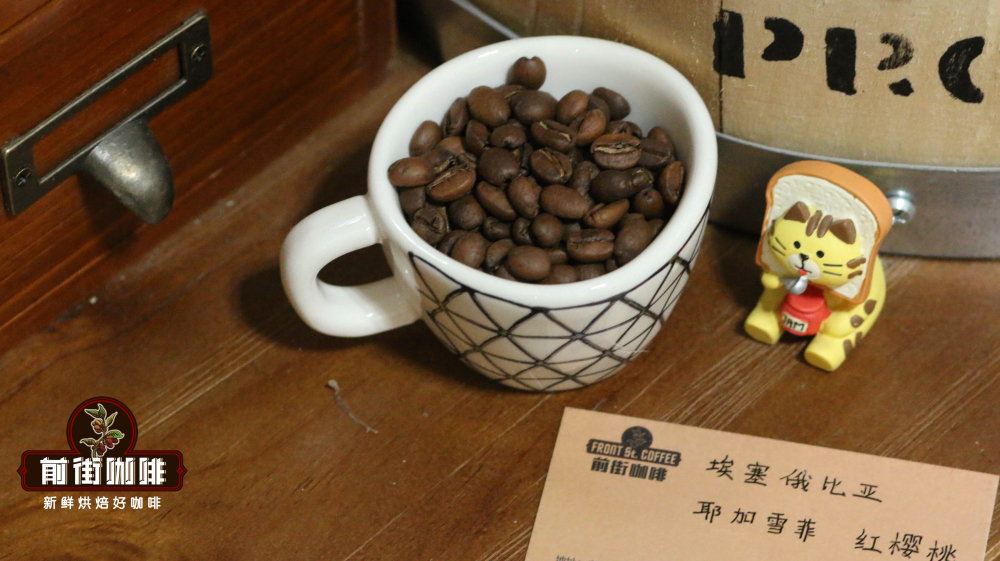
Currently popular Yirgacheffe coffee beans on the market include the washed version from the Guddina Cooperative, as well as the fully red cherry (red coffee cherry) natural beans from the Aricha region. Both are highly favored among coffee enthusiasts. The beans featured here are mostly medium to light roasted to preserve their bright fruit acidity and floral-fruity character. They are suitable for brewing via pour over, cold brew, or French press, allowing the delicate flavors of the coffee to shine through fully.
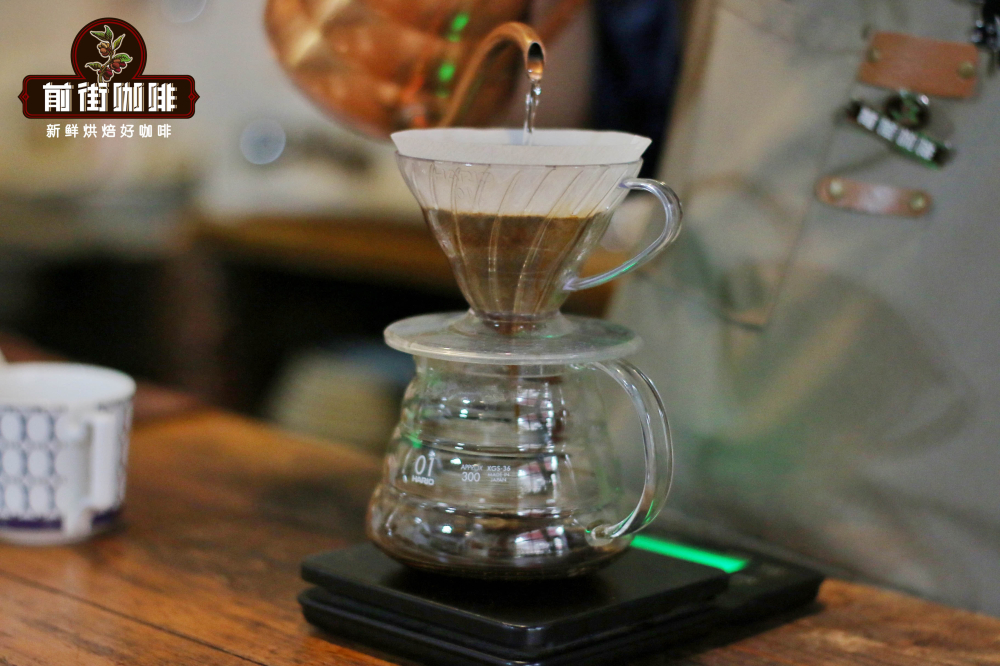
To achieve the best flavor, it is recommended to use freshly roasted beans, ideally beginning your brew within five days of roasting. For those who prefer pour over, drip filtration is recommended, as it allows a clearer appreciation of Yirgacheffe’s layered profile. Common pour over parameters can be set as: 15 grams of coffee grounds, a 1:15 coffee-to-water ratio, medium-fine grind (similar to granulated sugar particles, about 80% passing through a #20 sieve), and water temperature controlled between 90–91°C.
During actual pouring, start with a 30-gram bloom for 30 seconds. Then, pour water in small circles. When the total water volume reaches 125 grams, perform the first pour break. As the water level is about to uncover the coffee bed, continue pouring until you reach 225 grams, then stop. Wait until the water level drops and is about to uncover the coffee layer again before removing the filter. The total extraction time is advised to be around two minutes. This method effectively brings out Yirgacheffe’s citrus acidity, berry flavors, honey sweetness, and green tea aftertaste. Especially the washed beans from the Guddina Cooperative, which demonstrate exceptional clarity and balance.
As for sun-dried Yirgacheffe, such as the Red Cherry series, they carry even more intense fruit aromas and a slight fermentation note. The acidity remains bright but gains a touch more roundness and sweetness, making it suitable for those who prefer a more fruit-forward cup. Whether brewed via pour over or other methods, freshness and proper grind size adjustment are key factors influencing the final flavor expression.
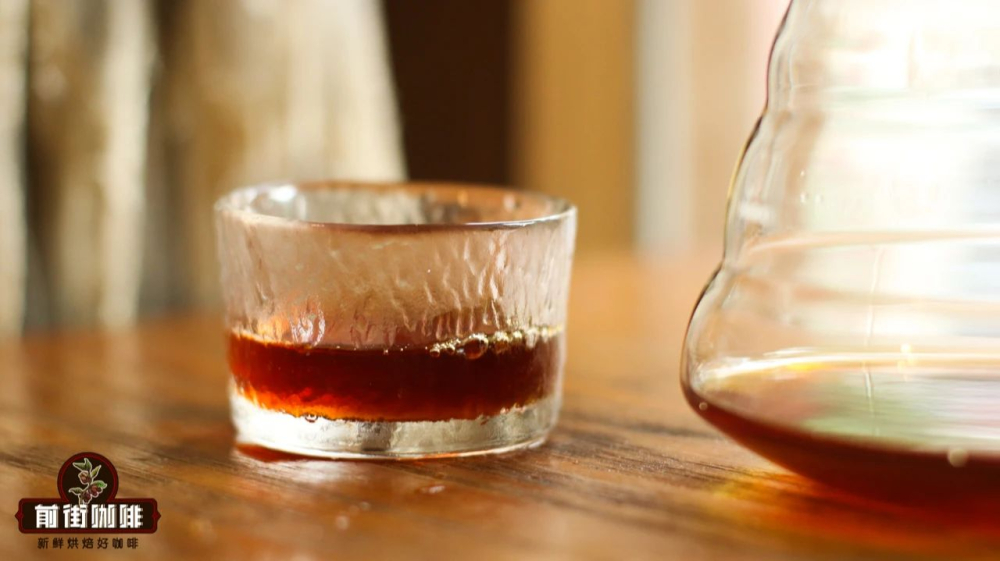
Many cafés offer Yirgacheffe SOE Americanos with bright acidity, mainly because they use medium to light roasted beans. Such roast levels maintain a refreshing acidity even when mixed with water or milk, without being overly sharp, while also imparting certain body and sweetness to the beverage. To make a balanced and enjoyable SOE coffee, selecting the right beans and mastering the extraction parameters are equally important.
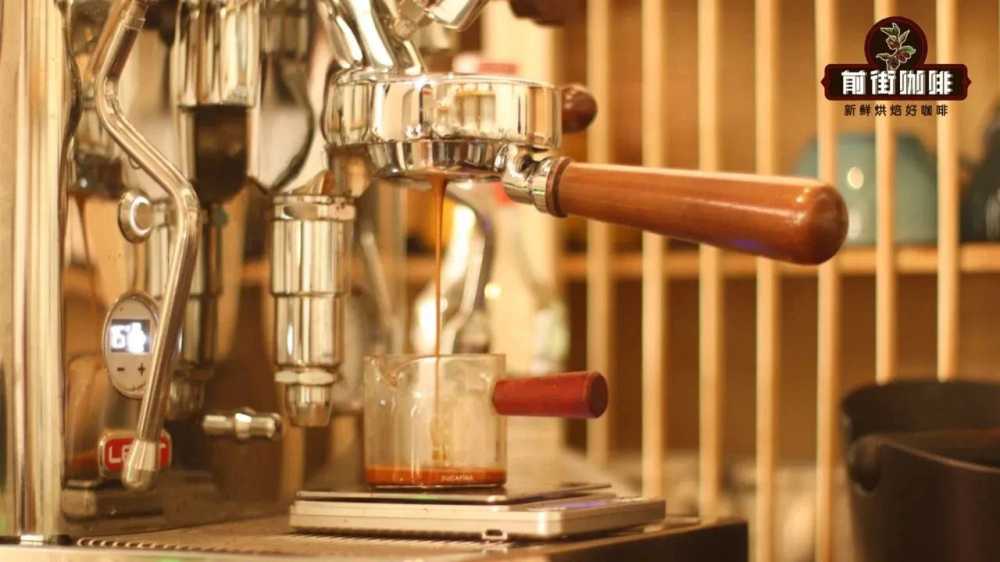
Making a professional-grade Yirgacheffe SOE espresso at home is entirely feasible, with the key lying in controlling the coffee-to-water ratio and extraction time. Common commercial machines, such as single-group espresso machines paired with a 20-gram double basket, are recommended to use a 1:2 coffee-to-liquid ratio (i.e., extracting 40 grams of espresso from 20 grams of coffee), with extraction time controlled between 25–33 seconds. Grind settings can refer to around 2.0 on the Galileo scale to ensure even and non-over-extracted results.
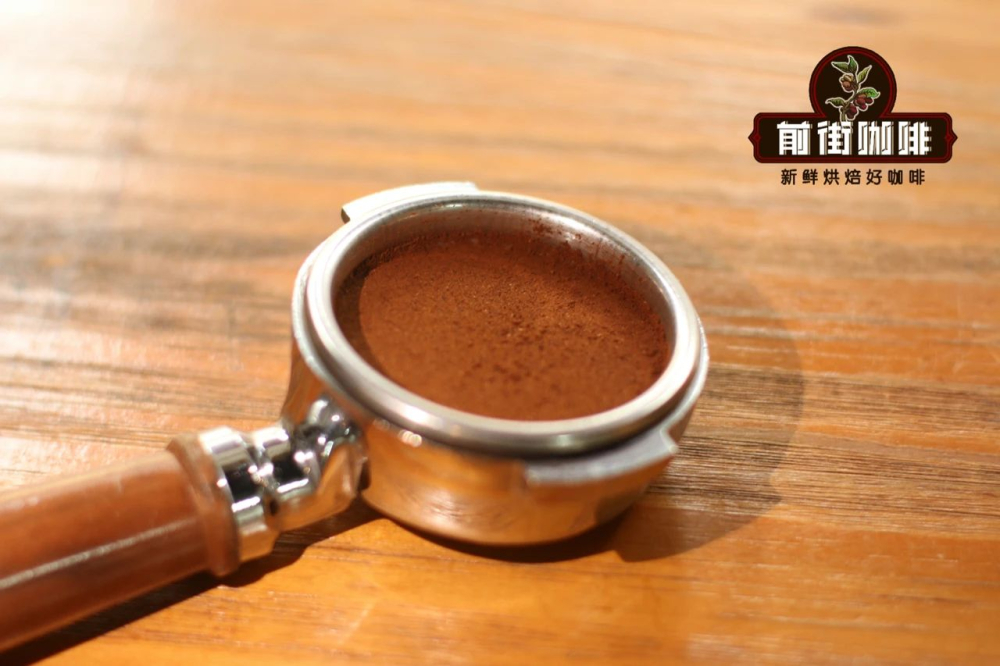
The specific steps include: cleaning the portafilter basket, grinding 20 grams of coffee and confirming the weight, evenly distributing the grounds, then tamping the coffee puck. Next, wet the group head to remove old coffee residue, attach the portafilter, and begin extraction. Once the espresso reaches 40 grams and the time is around 30 seconds, the extraction is complete. Such an SOE espresso typically features pronounced citrus acidity, honey sweetness, and an oolong tea-like aftertaste, making it ideal for further crafting into iced Americanos or other creative drinks.
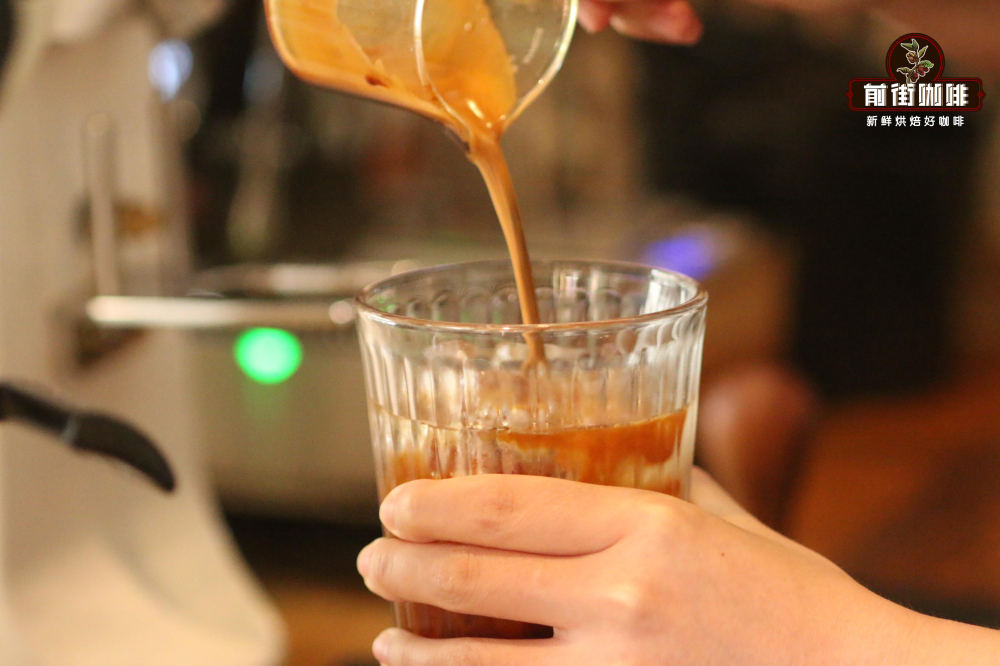
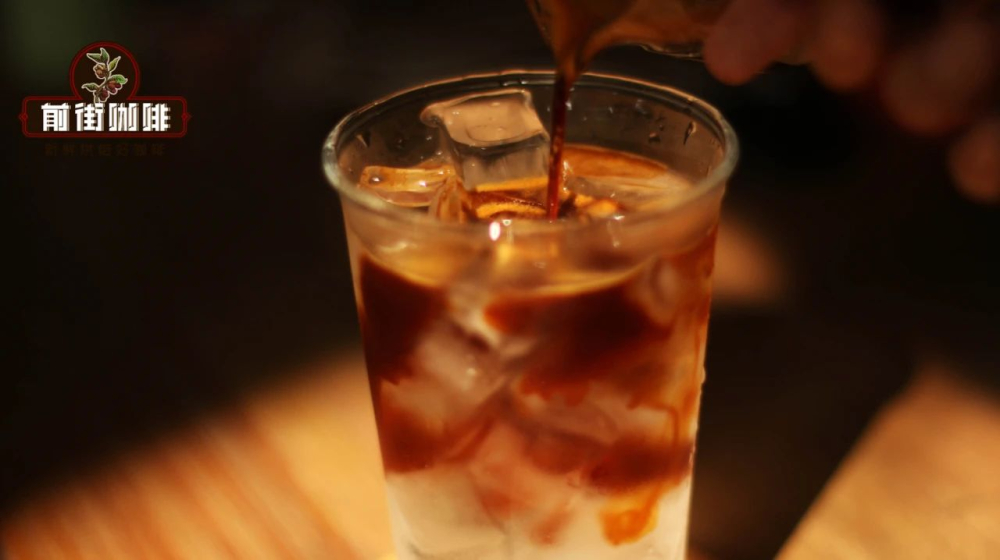
For a more refreshing option, you can prepare an SOE iced Americano: take a glass of about 350 ml, add around 90 grams of ice cubes and 150–170 ml of room-temperature water (about 80% full), then pour the freshly extracted double shot of espresso directly in. Stir gently and enjoy. This method not only softens the intense acidity of the espresso but also highlights the coffee’s layers and sweetness, making it an excellent choice for summer or when you need a pick-me-up.
The above content is compiled by CoffeeHunters, a coffee news website.

