







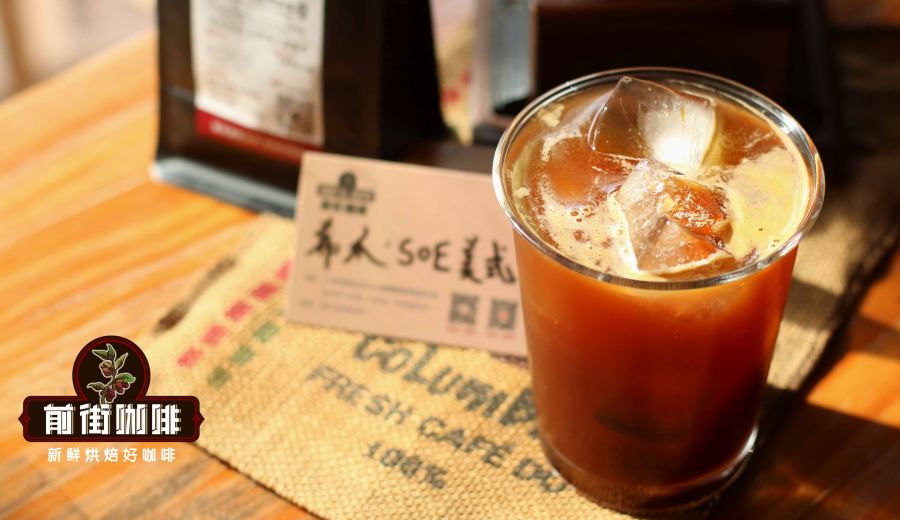
Introduction:An in-depth analysis of the fundamental differences between Single Origin Espresso (SOE) and traditional Italian blended coffee beans—from roast profiles to extraction parameters—this guide helps you master the key factors in choosing SOE beans. It details the flavor characteristics of SOEs under various processing methods and provides practical advice to help you find the most suitable single-origin beans based on your brewing method.
Definition and Origins of SOE
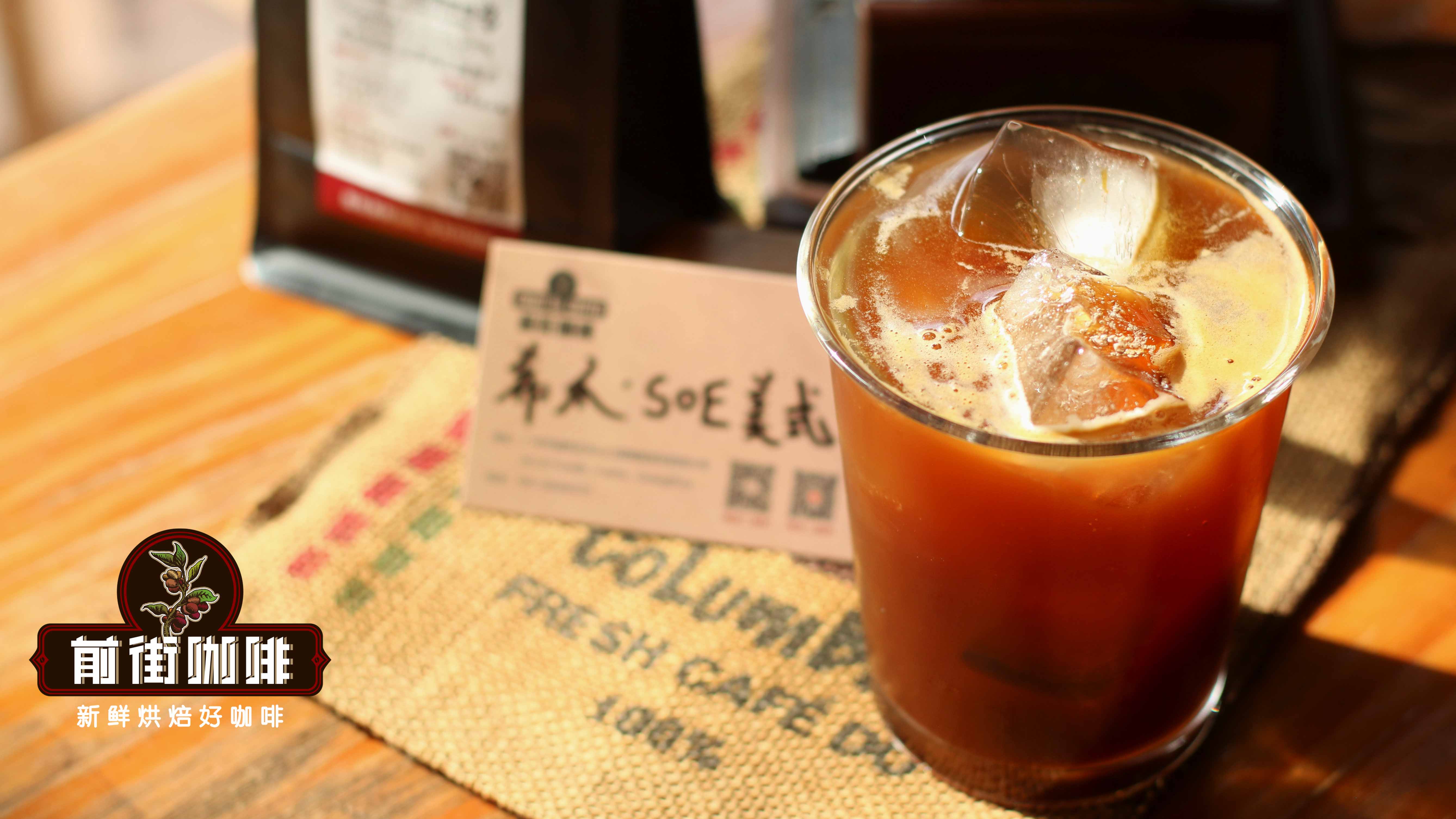
SOE (Single Origin Espresso) refers to espresso made using coffee beans from a specific origin.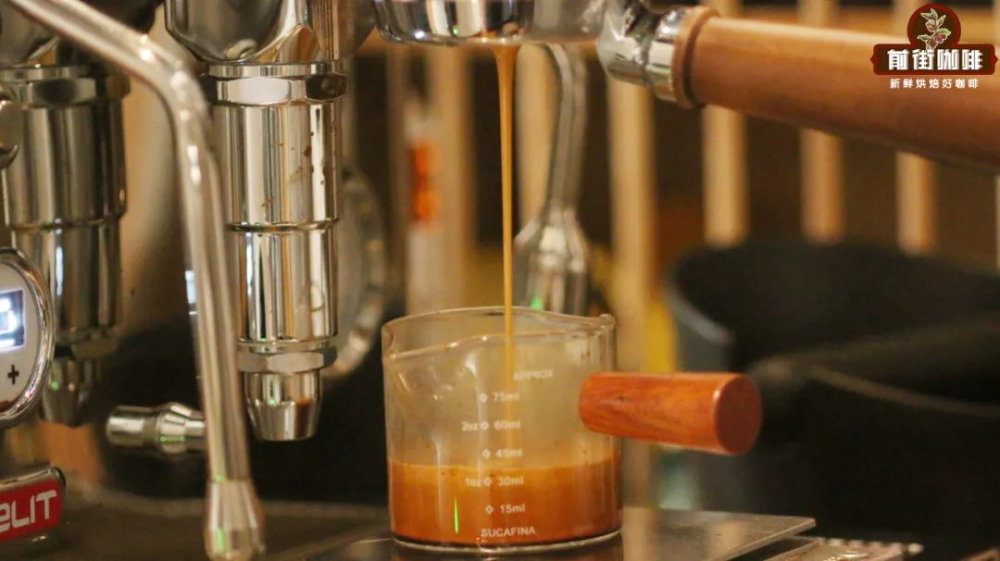 " alt="">This approach contrasts with traditional Italian blends—blend beans typically mix beans from multiple regions to achieve balanced and stable flavors. With the rise of specialty coffee trends, beans from certain regions have demonstrated highly distinctive and recognizable flavor profiles, leading to increased appreciation for single-origin espresso expressions.
 " alt="">
Core Characteristics of SOE
The single-origin nature of SOE allows it to clearly showcase the terroir of its region, such as the bright acidity brought by high-altitude cultivation or the fruity notes resulting from special processing methods.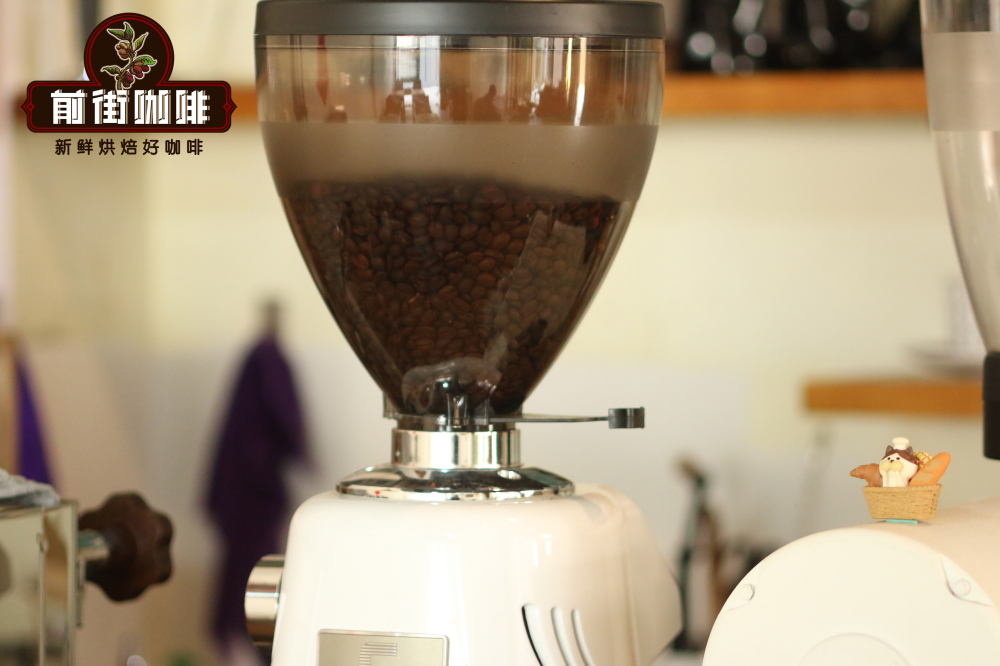 " alt="">Compared to the complex taste profile of blends, SOE offers a more concise and distinct flavor profile—akin to the difference between pure single-fruit juice and mixed juice. However, this characteristic can also amplify the bean’s flaws, thus requiring greater precision in roasting and extraction.
Suitable Processing Methods for SOE
Common sources of high-quality SOE include: Ethiopian beans processed with the natural method (emphasizing berry and floral notes), Kenyan beans processed with the washed method (highlighting citrus and blackcurrant acidity), and Colombian washed beans (showcasing nutty and chocolatey foundations).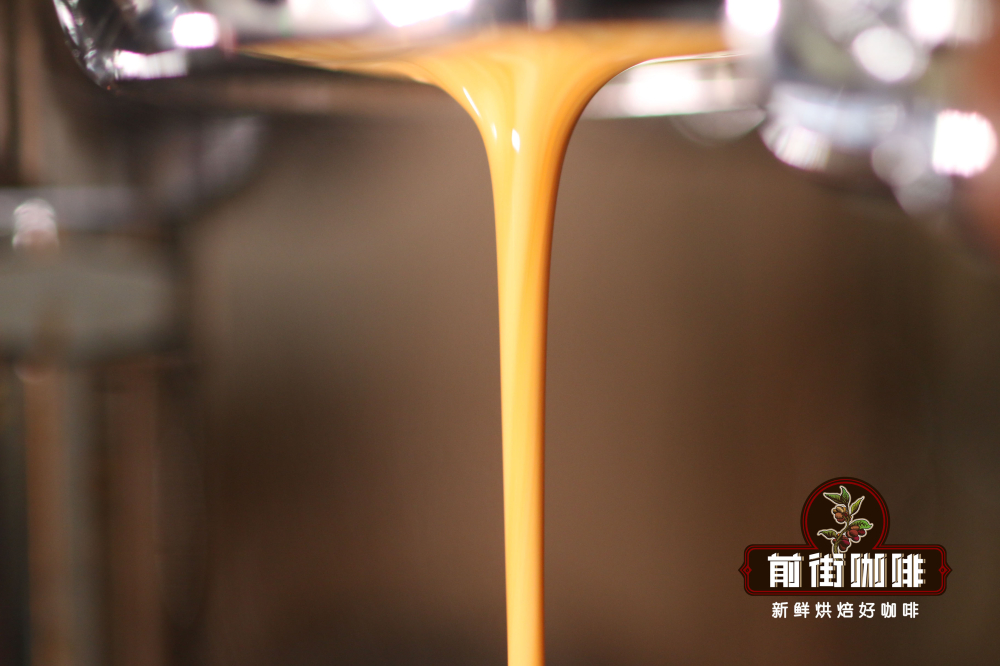 " alt="">These regional coffees, thanks to proper processing, can deliver vivid and harmonious flavor characteristics, making them well-suited for single-origin presentation.
Challenges in Roasting and Extraction
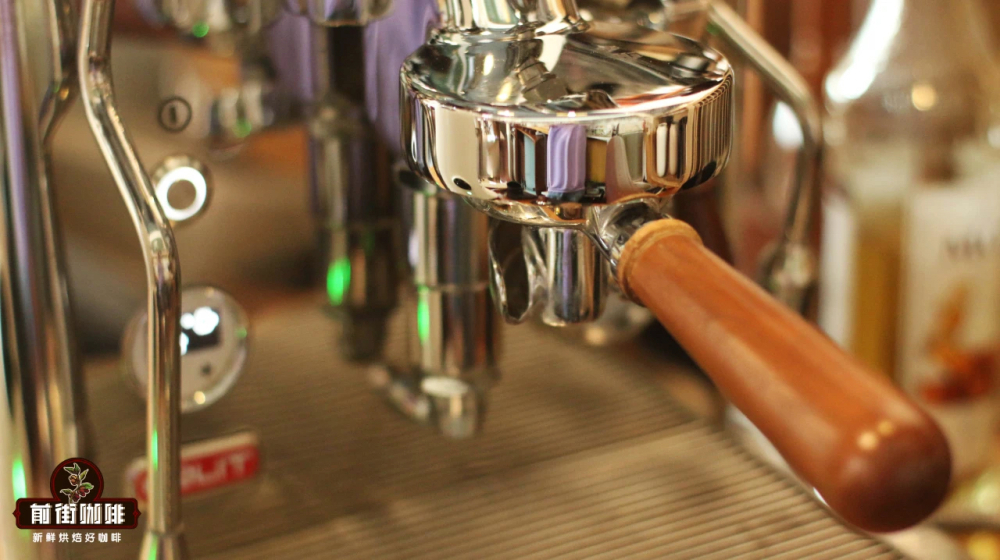
SOEs are generally roasted to a medium to medium-dark level (around the end of first crack to the beginning of second crack). Roasting too dark can mask the origin characteristics, while roasting too light may result in overly sharp acidity. " alt="">During extraction, special attention should be paid to the coffee-to-water ratio (recommended 1:2 to 1:2.5) and grind size (slightly finer than blends), as the pressure of espresso amplifies any flavor defects. It is recommended to preheat equipment thoroughly and control the extraction time within the 25–30 second range.
 " alt="">
Practical Differences Between SOE and Blends
Blends, through the complementary characteristics of beans from different regions, often create a more balanced body and sweetness-acidity ratio, making them suitable for daily drinking.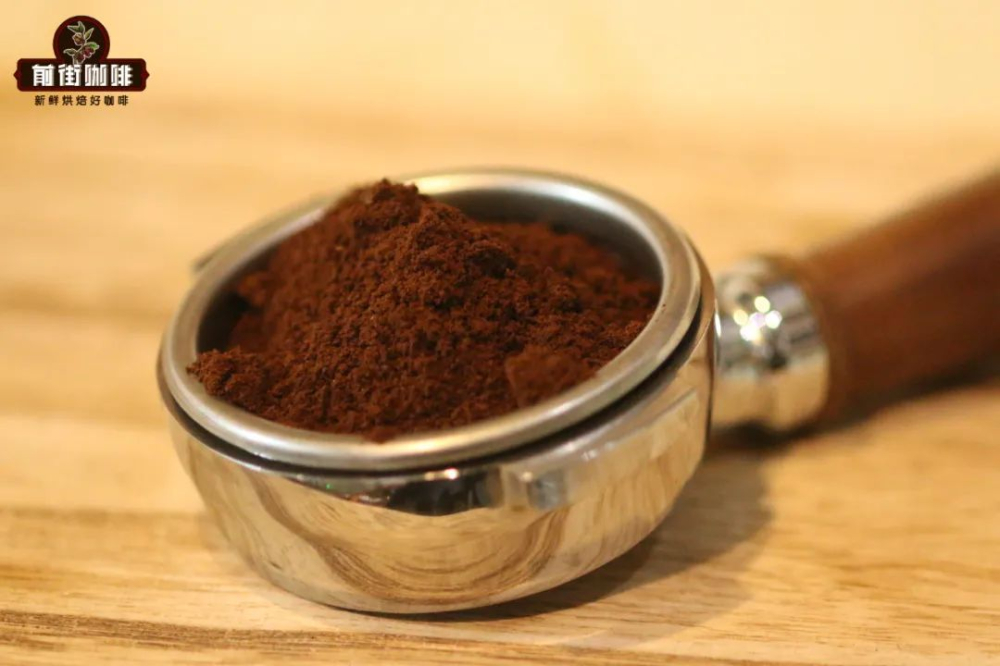 " alt="">In contrast, SOE is ideal for coffee enthusiasts seeking specific flavor experiences—such as the bright acidity of Kenyan beans or the rich sweetness of Brazilian beans. In terms of price, there isn’t necessarily an absolute difference; high-quality blends (such as those combining premium single-origin beans) can be equally competitive.
Practical Bean Selection Advice
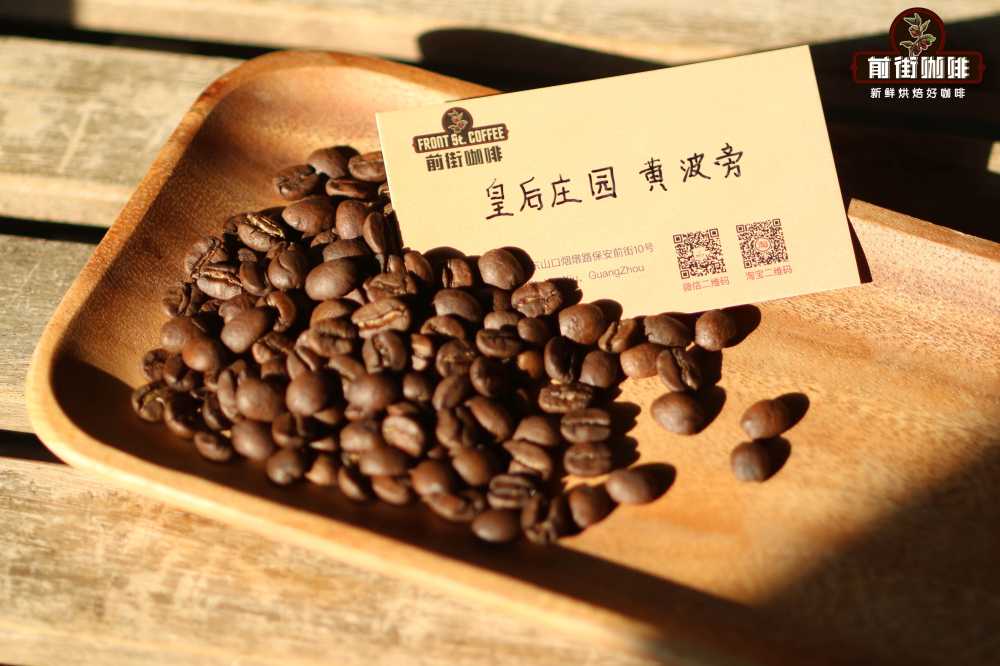
Readers who prefer refreshing flavors can try naturally processed beans grown at altitudes of 1700–2200 meters, which exhibit pronounced berry and floral characteristics; those who enjoy bold textures are advised to choose semi-washed Brazilian Yellow Bourbon, known for its nutty and caramel tones.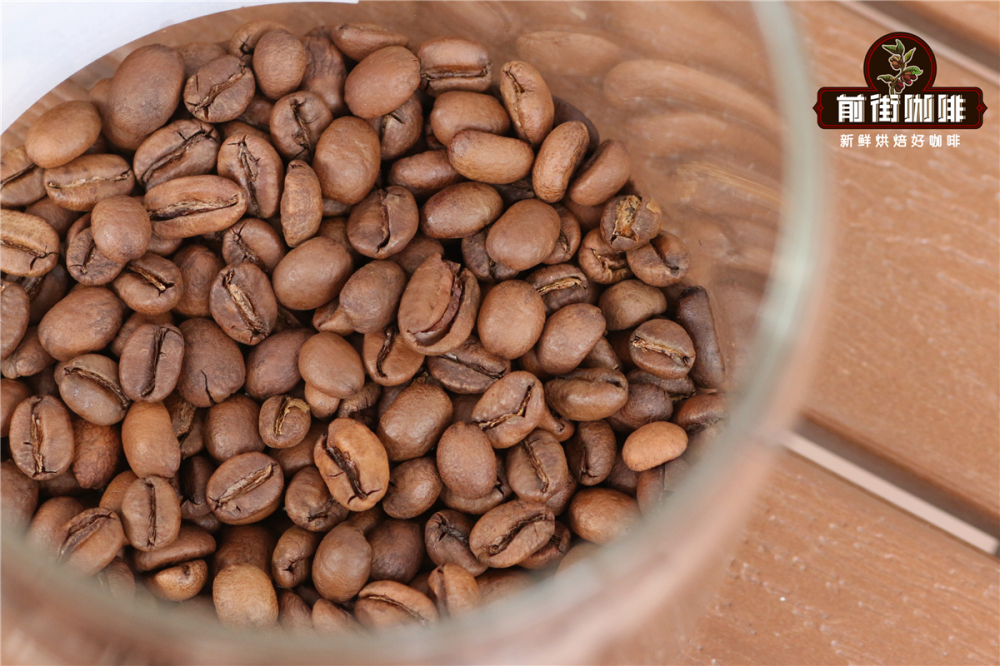 " alt="">Pay attention to the roast date—freshness (within 2–4 weeks post-roast) greatly impacts the performance of SOE. Before extraction, ensure the beans have degassed sufficiently, and fine-tune the grind size based on actual flavor feedback.
 " alt="">
 " alt="">
The above content is compiled by CoffeeHunters, a coffee news website.

