







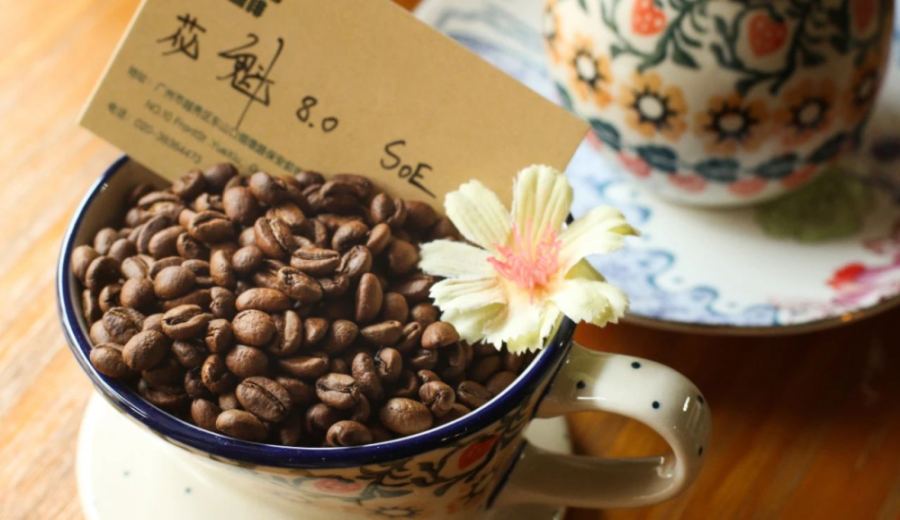
Introduction:SOE (Single Origin Espresso) has become a popular choice among specialty coffee enthusiasts in recent years, but many still have questions about its definition, how it differs from pour over single-origin coffees, and its practical applications. This article will delve into the full meaning of SOE, its flavor characteristics and key brewing factors, compare the differences between blends and single-origin beans in espresso applications, and provide detailed extraction parameters and common misconceptions to help you better grasp the essence of SOE coffee.
What is SOE? Full name and core concept explained
The full name of SOE is Single Origin Espresso, which translates to "single origin espresso" in Chinese. Although it is called espresso, SOE is not synonymous with specialty coffee. Only when a single-origin coffee bean with distinct flavor characteristics is used as the base and its unique personality is brought out through appropriate roasting and extraction can it be considered high-quality SOE. For example, Ethiopian Yirgacheffe with bright citrus notes or Kenyan beans rich in berry aromas often display more vibrant aroma layers under high-pressure espresso extraction than in pour over.
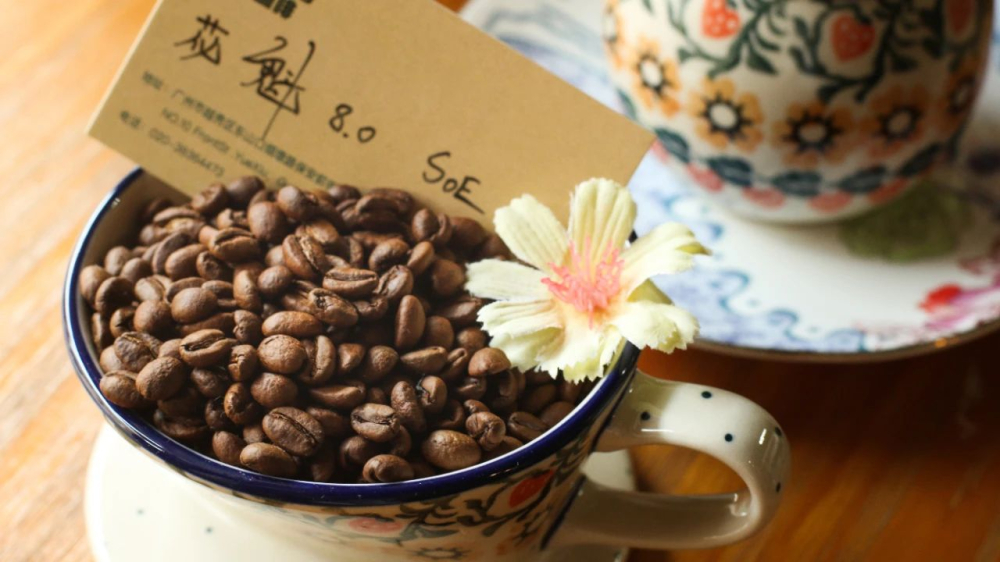
Why distinguish between blends and SOE espressos?
Espresso on the market is mainly divided into two types: blends and single-origin (SOE). Blended coffee achieves a stable flavor balance and consistent taste by combining multiple beans, making it suitable for daily drinking; whereas SOE focuses on highlighting the unique characteristics of a specific origin, such as intense fruit acidity, rich sweetness, or special fermentation aromas. Since SOE uses beans from only a single origin, both its flavor strengths and weaknesses are magnified, which places stricter demands on roast level, grind size, and extraction parameters—this is also one of the reasons why some shops choose not to offer SOE espresso.
The essential difference between SOE and pour over single-origin coffee
Many people mistakenly believe that any single-origin pour over-grade bean can simply be used for espresso extraction to become SOE. In reality, there are clear differences between the two in terms of flavor expression and processing methods. Pour over emphasizes showcasing the regional characteristics and delicate layers of the beans, suited to medium-light roasting to preserve acidity and aroma; whereas SOE, in a high-pressure espresso environment, requires adjustments to the roast profile to enhance sweetness and body while controlling the sharpness of acidity. Additionally, SOE extraction time, brew ratio, and grind size usually differ significantly from pour over settings, so the two cannot be simply equated.
Types of coffee beans suitable for making SOE
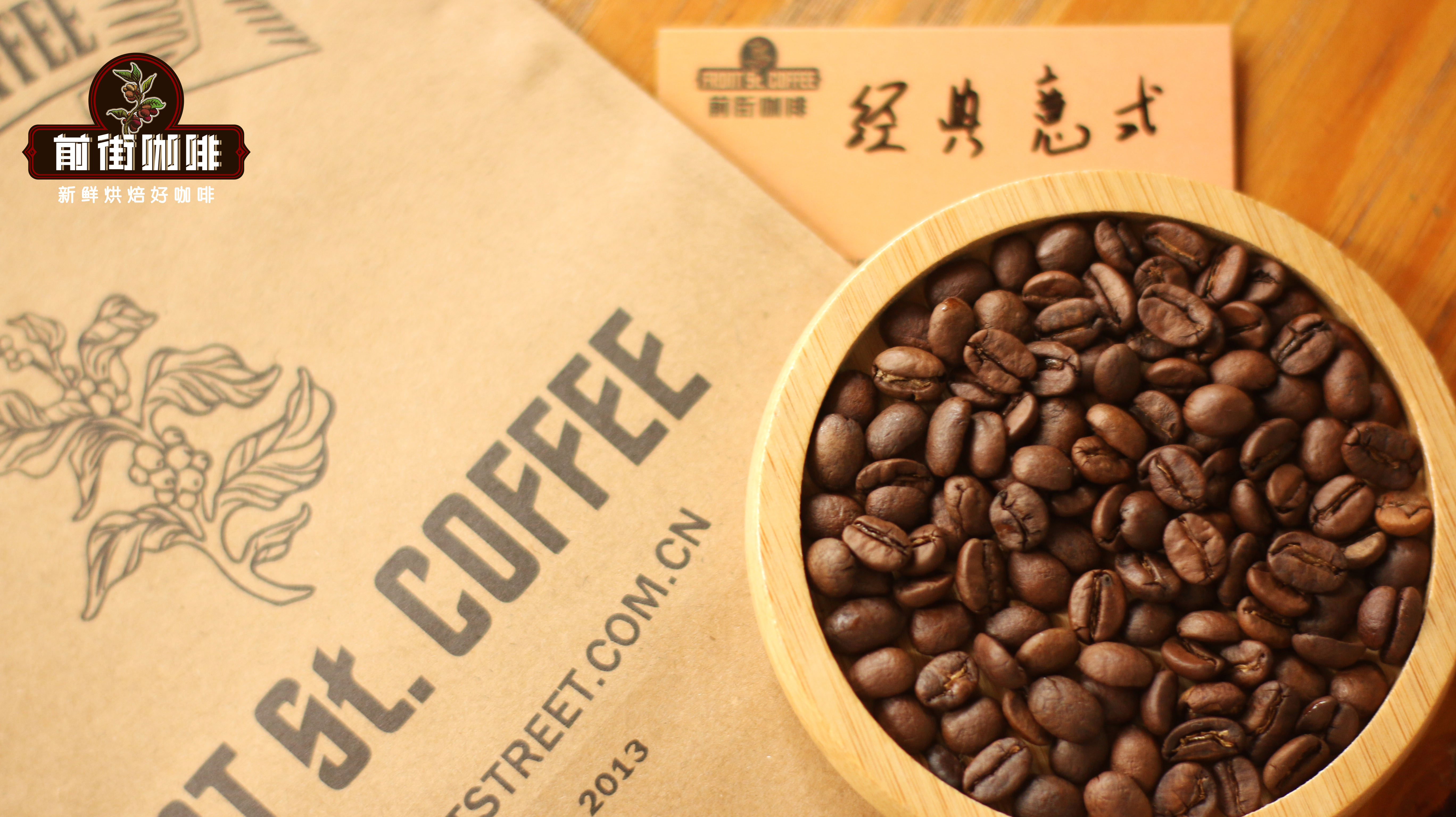
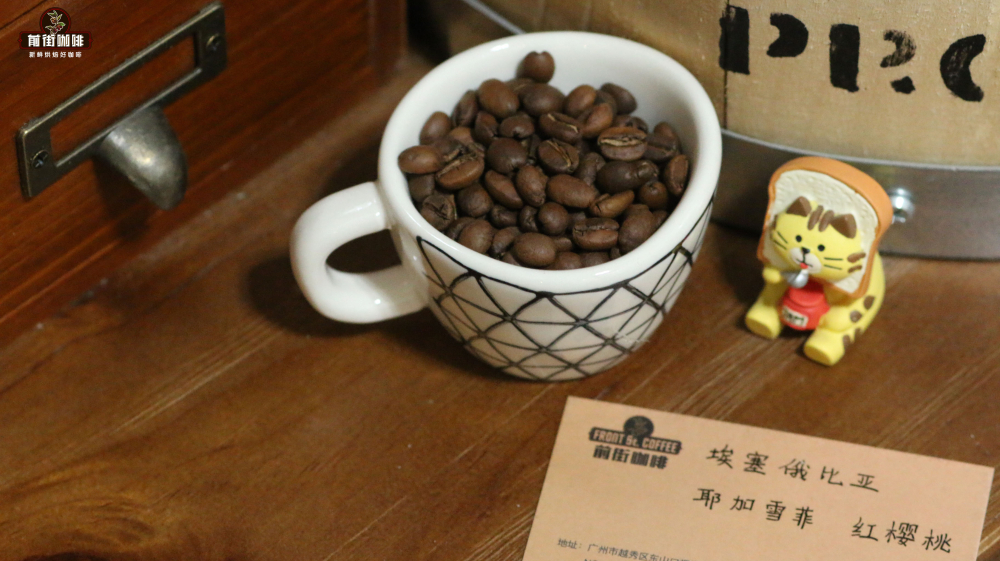
Not all single-origin beans are suitable for conversion into SOE espresso. The ideal choices are beans with clear and strong flavor characteristics, such as the red cherry natural Yirgacheffe offered by certain well-known shops. This coffee from Ethiopia, grown at altitudes of 1700-2200 meters and processed with full red fruit natural fermentation, features prominent citrus, berry, and fermentation aromas, making it suitable for drinkers who enjoy bright acidity and rich layers.Extraction recommendation: Grind size about 1.7 (Fime 900N), 20g dose, 40ml yield, 27 seconds, with flavor keywords including citrus, berries, medium-high acidity, and syrupy body.
Another recommendation: Richly winey Honduran Sherry SOE
If you prefer bold and wine-like flavors, Honduran Sherry barrel-fermented beans are an excellent choice. These beans come from Mocha Estate, grown at 1500-1700 meters altitude, using meticulous washed processing and Sherry barrel fermentation techniques, resulting in intense whiskey-like aromas, dark chocolate, and a creamy texture.Recommended extraction parameters: Grind size 1.8, 20g dose, 40ml yield, 29 seconds, with flavor notes of gentle fruit acidity, smooth mouthfeel, and high viscosity.
Common mistakes and adjustment tips for making SOE at home
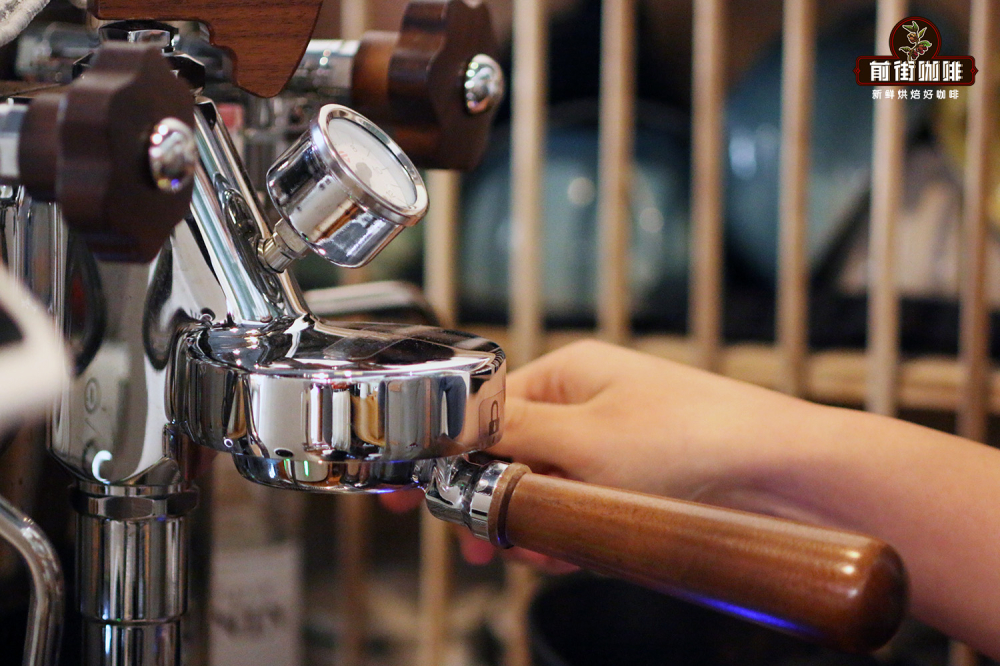
Many coffee enthusiasts encounter issues such as uneven extraction, overly sharp acidity, or uncontrollable spraying when trying SOE at home. These problems often stem from the beans’ roast level being unsuitable for espresso or improper parameter settings. For instance, overly light roasts can lead to overly sharp acidity, while overly dark roasts may mask origin characteristics. Additionally, most home espresso machines operate at 9 bar pressure, which can meet basic needs, but to accurately replicate café flavors, attention must also be paid to grind size, tamp pressure, and pre-infusion steps.
Detailed reference for SOE extraction parameters
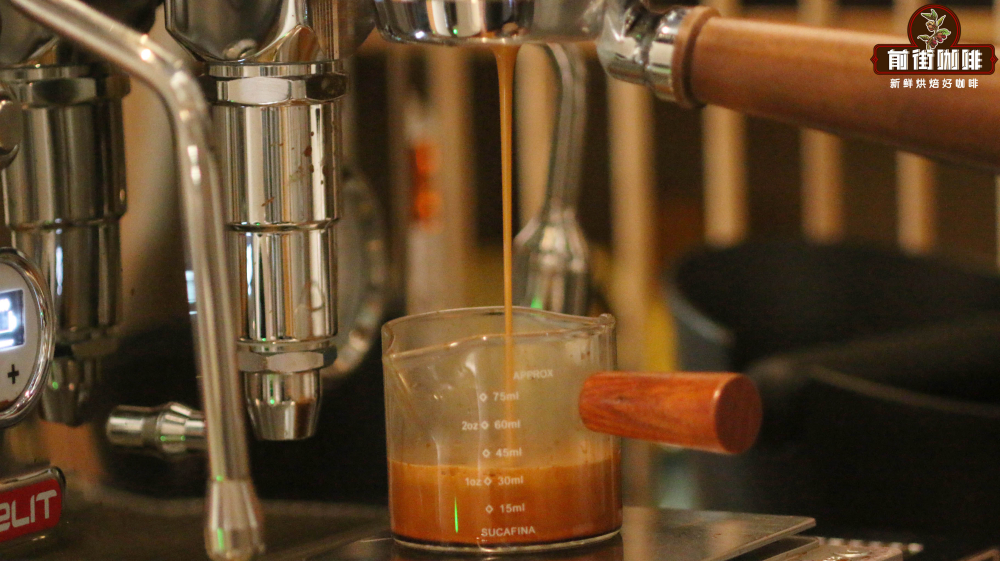
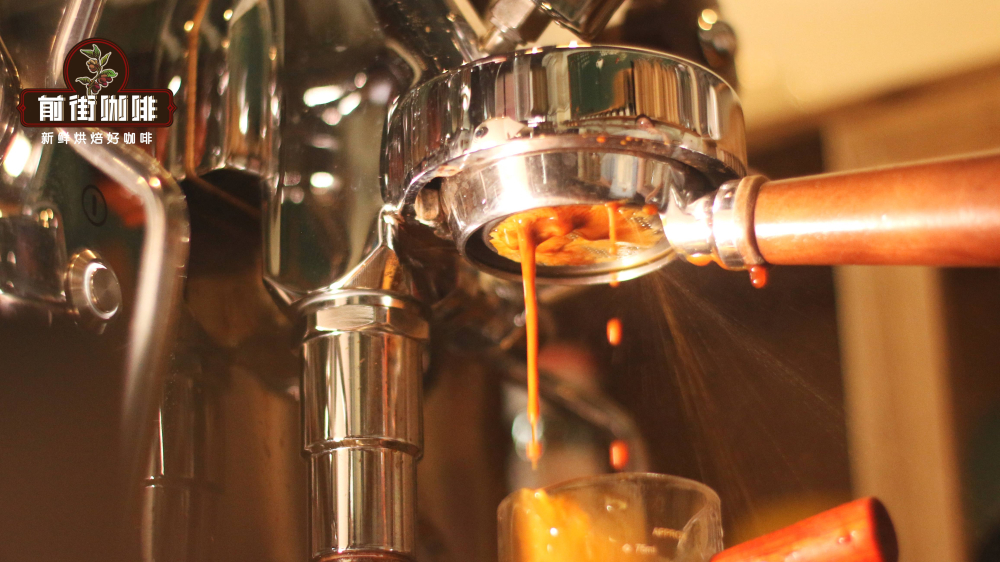
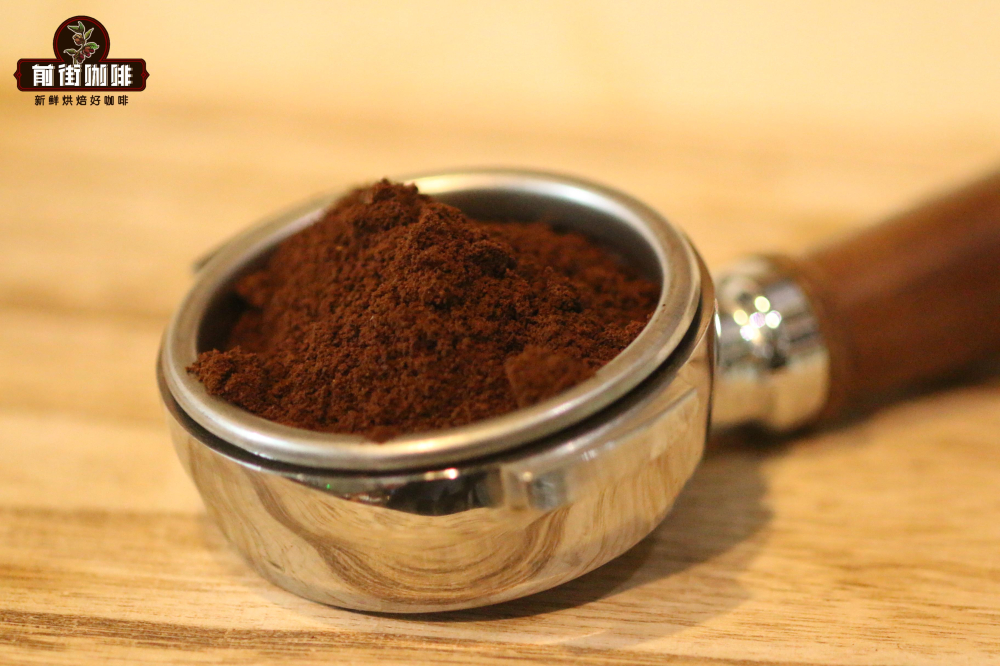
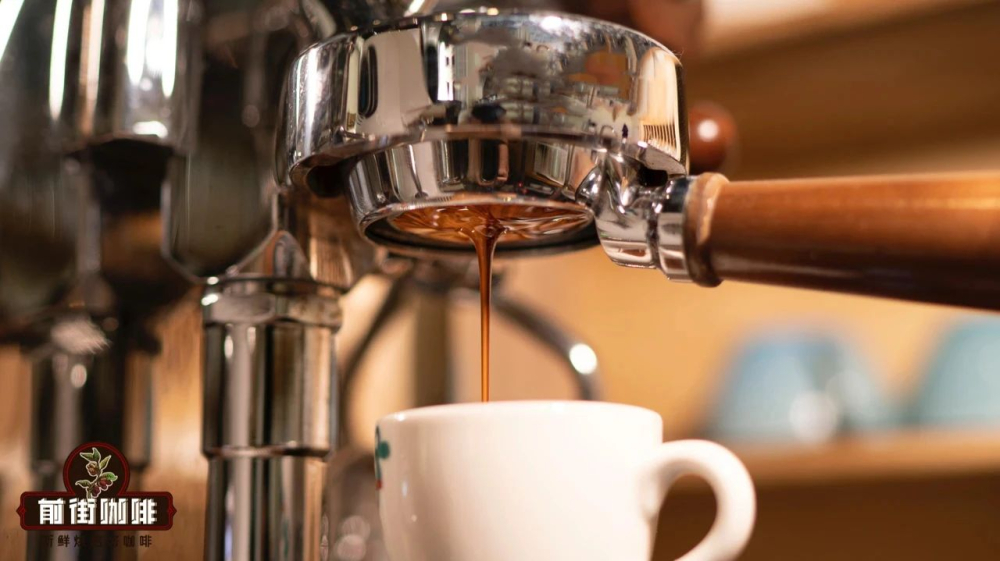
Taking Ethiopian natural Konga as an example, the recommended parameters are as follows:20g coffee dose, 40g yield, 1:2 brew ratio, 26–33 second extraction time, grind setting around 2.0 (Galileo). This setup balances the acidity-sweetness ratio and body, suitable for most home or commercial double-shot portafilters. During extraction, it’s recommended to start with pre-infusion to wet the puck, then gradually increase pressure for stable flow rate. The final shot should exhibit uniform flow and rich crema, avoiding channeling or over-extracted burnt bitterness.
From SOE to drinks: Variations in Americano and Latte applications
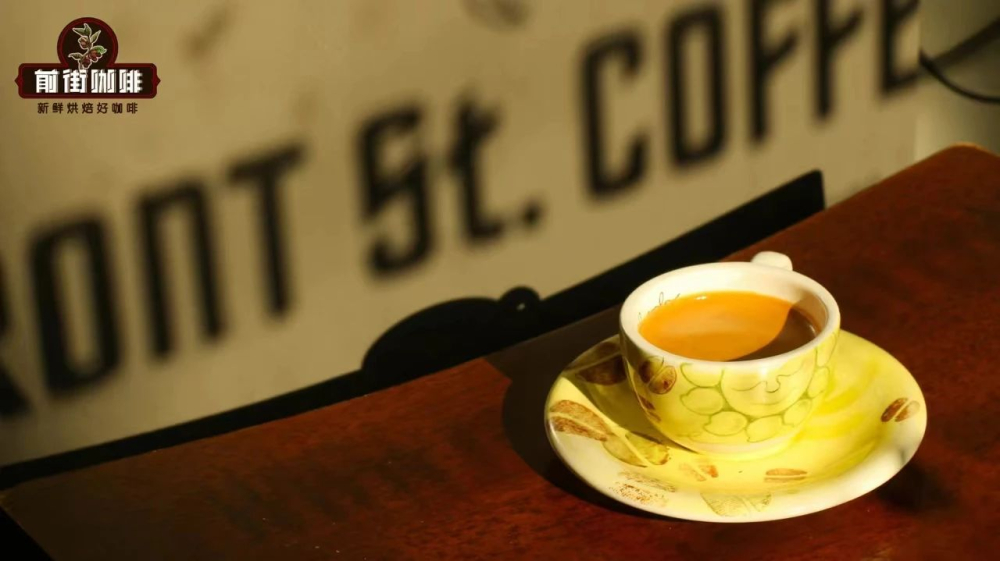
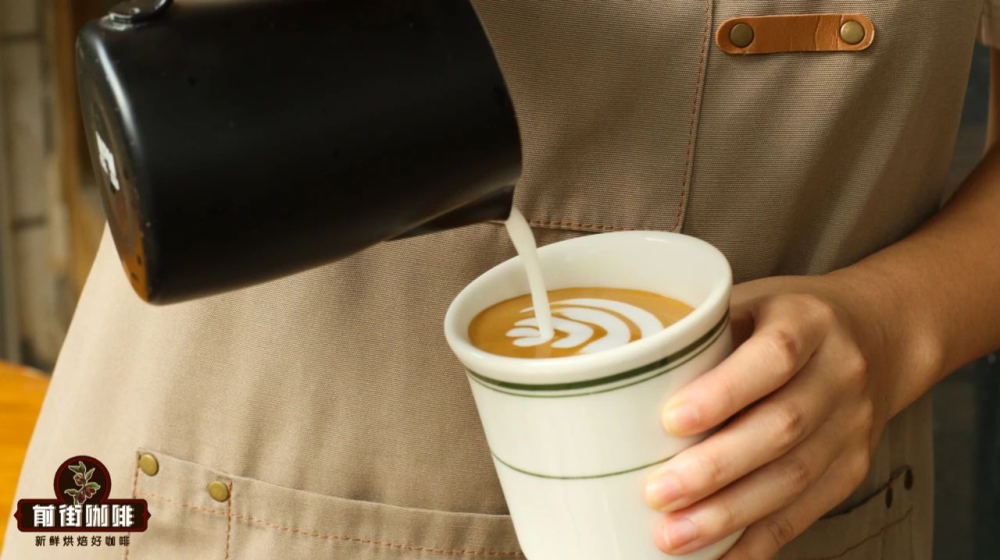
SOE is not only suitable for enjoying as straight espresso but can also be extended into diverse drinks by adjusting ratios. For example, adding ice water or hot water can make a distinctly flavored SOE Americano; paired with milk, it can present rich layers. Taking Yirgacheffe SOE latte as an example, it’s recommended to use a 1:6 coffee-to-milk ratio, with milk temperature controlled at 50–65°C and steamed to medium thickness, allowing the fruit acidity and sweetness to blend perfectly for a smooth and long-lasting finish.
Conclusion: The core value and selection advice for SOE
The charm of SOE espresso lies in its ability to concentrate and showcase the terroir characteristics of a single origin—whether it’s a fresh citrus note, rich winey aroma, or multi-layered fruit acidity and sweetness—all of which are enhanced under high-pressure extraction. However, to successfully make a high-quality SOE, besides selecting the right beans, it’s also essential to precisely control the roast profile, grind size, and extraction parameters. For first-time users, it’s recommended to start with beans that have distinct yet balanced flavors and gradually adjust parameters to find your personal preference.
The above content is compiled by CoffeeHunters, a coffee news website.

