







Introduction:In recent years, SOE (Single Origin Espresso) has gradually gained popularity, and many coffee enthusiasts have started to wonder about the differences between it and traditional blended beans. This article delves into the definition of SOE, the flavor distinctions between it and regular espresso, explores extraction parameter settings, and provides practical advice to help readers understand how single-origin beans perform in espresso extraction—along with six key diagrams for illustration.
Many consumers are accustomed to choosing Americanos or lattes because they don’t have to worry about bean pairing. However, the recent rise of the SOE (Single Origin Espresso) trend has led many to face the dilemma of having to select a specific coffee bean when ordering a drink at a café. What exactly is the difference between SOE and regular espresso? Why is it often slightly more expensive? These questions are worth exploring in depth.
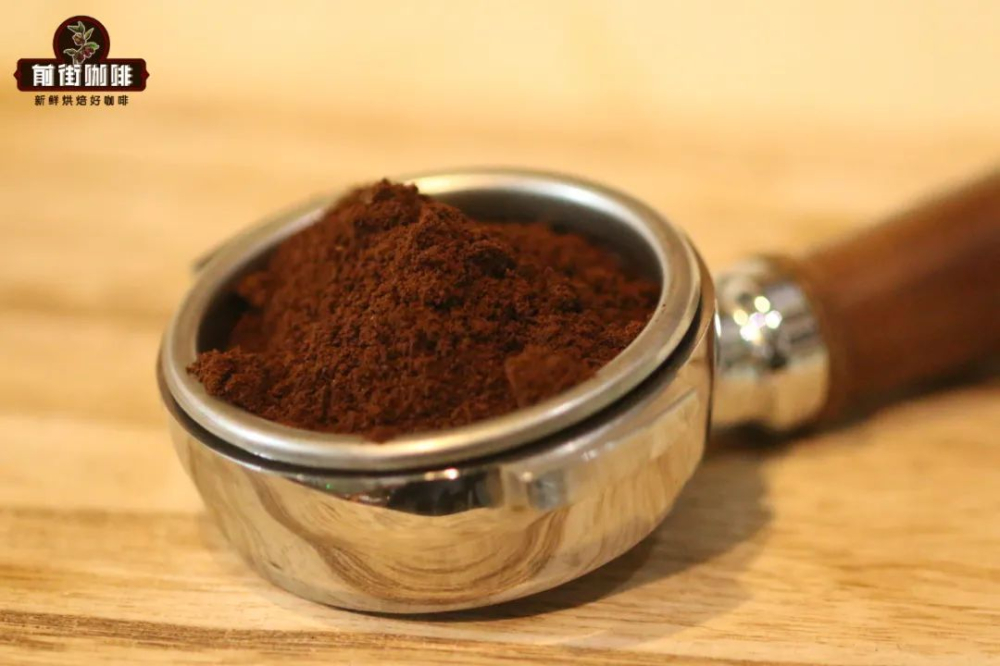
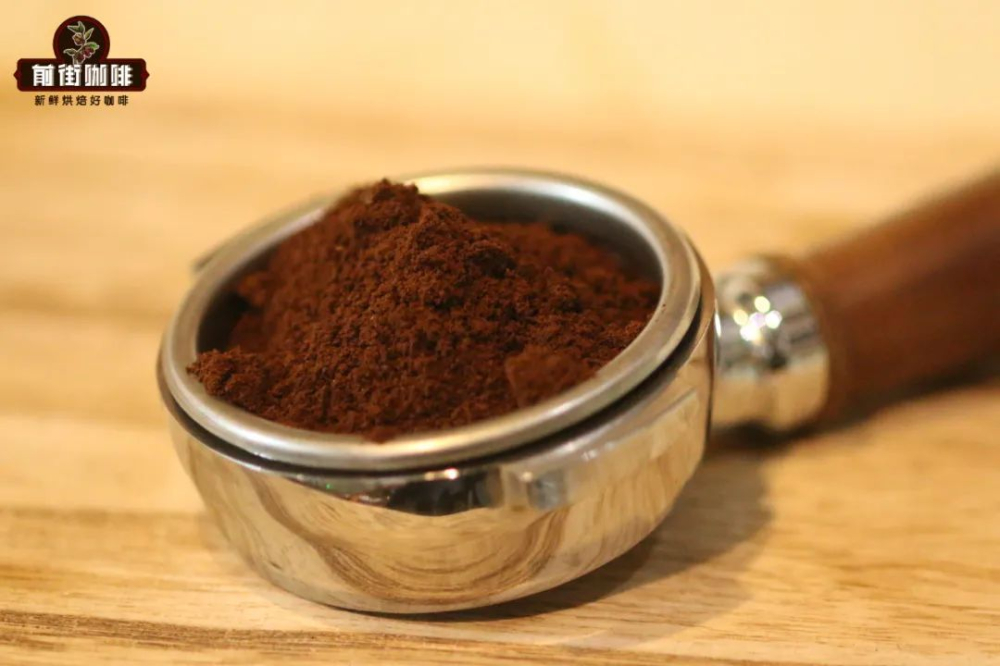
What is SOE?It refers to espresso made using beans from a single origin, breaking away from the traditional approach of using dark-roasted, multi-origin blends for espresso. In the past, to maintain flavor stability, producers preferred using dark-roasted blends, which often resulted in intense and uniform flavors. SOE, on the other hand, adjusts the roast level according to the characteristics of beans from specific origins, showcasing richer regional traits.
 ' alt='SOE coffee schematic'>
Is SOE necessarily better than regular espresso? The answer is not absolute. The third-wave coffee movement emphasizes bean freshness, a preference for light roasts, transparent origin information, and precise flavor descriptions. Light-roast single-origin beans used in espresso can present more complex layers such as berries and floral notes compared to blends, but not all light-roast single-origin beans are suitable for high-pressure extraction. Regional climate differences and annual harvest fluctuations may cause some beans to taste overly sour or thin under high pressure.
Blended beans serve a necessary purpose. By combining beans from different origins, their flavor flaws can complement each other, ensuring extraction stability. Especially when the flavor of new-season beans changes, adjusting blend ratios is more practical than controlling the variables of a single origin’s quality. Blended beans often use dark roasts to stabilize flavors, sacrificing some details, but they offer higher cost efficiency; SOE, however, highlights regional characteristics and suits consumers seeking flavor diversity, though it requires daily fine-tuning of extraction conditions.
 ' alt='Blend vs. single-origin bean comparison diagram'>
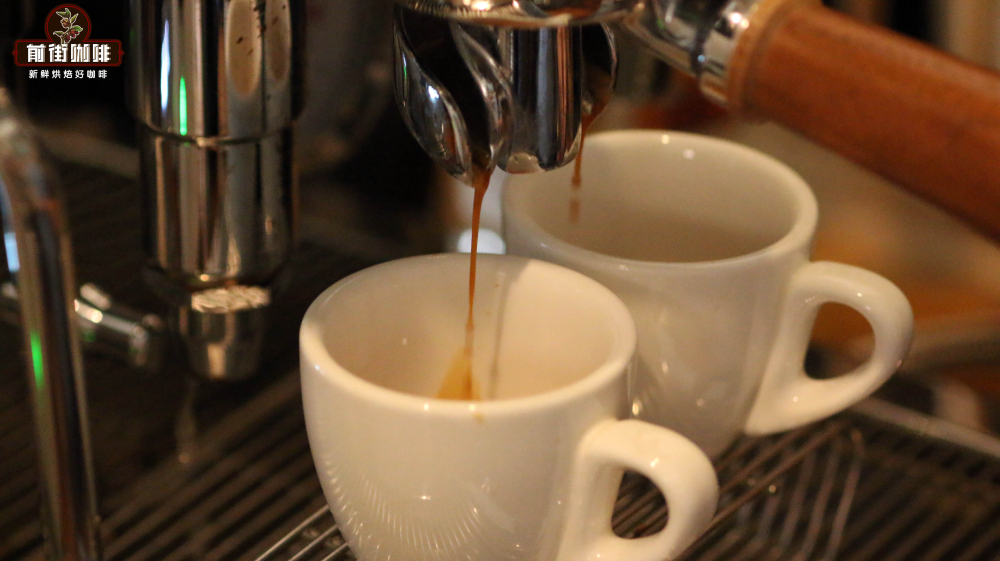
Key SOE Extraction ParametersThese need to be fine-tuned based on bean variety characteristics. Experiments have found that single-origin beans generally extract faster than blends. It is recommended to always perform actual cupping tests when changing beans: if the flavor is too thin, it may be due to overly coarse grind, insufficient coffee dose, or excessive extraction volume; if there is excessive bitterness or astringency, check whether the grind is too fine, the dose is too high, or the extraction time is too long.
When extracting SOE, pay special attention to the interaction of the following parameters: Grind size affects water flow resistance—start testing with a medium-fine grind; common brew ratios range from 1:2 to 1:3, adjusted according to roast level; extraction pressure should maintain 9 bar as a baseline, but observe crema texture; water temperature is recommended in the 90–94°C range—lighter roasts can be slightly higher to extract acidity, while darker roasts should be moderate to preserve body. Recording each adjustment variable is key to stabilizing quality.
 ' alt='Extraction parameter adjustment illustration'>
The six retained diagrams illustrate: the basic concept of SOE (), the principle differences between blends and single-origin beans (), observations on single-origin bean extraction speed (), and the flavor profiles of three recommended beans (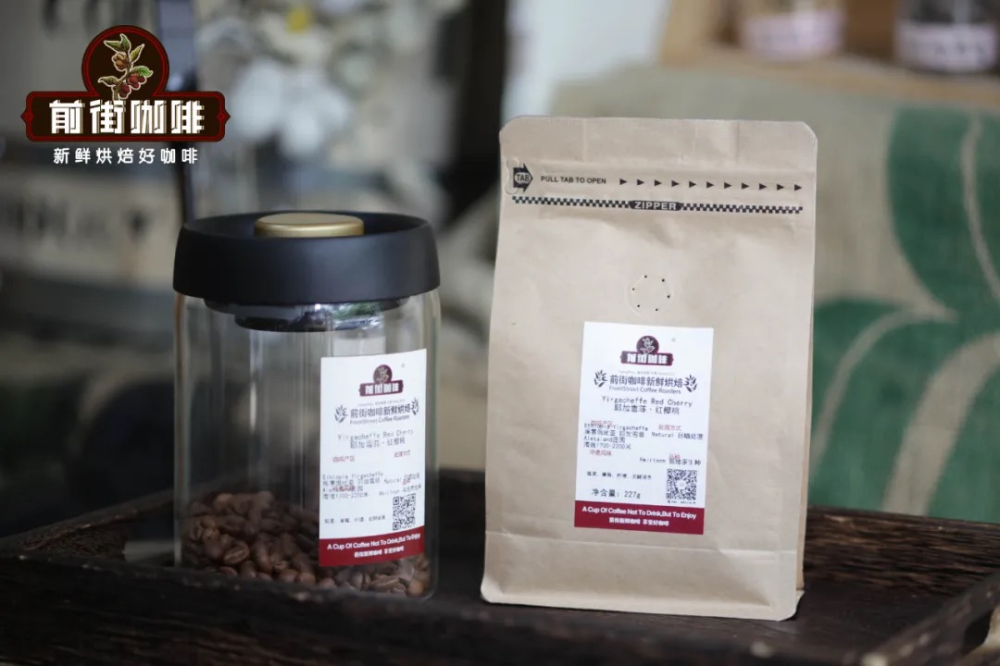 -
 ). These visual materials help understand the technical details described in the text.
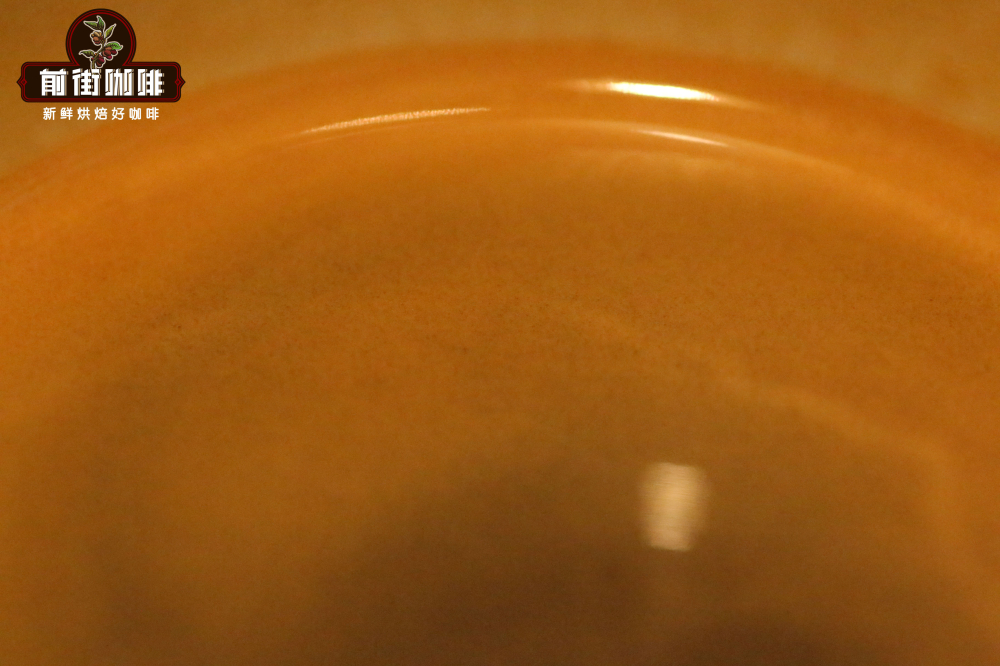
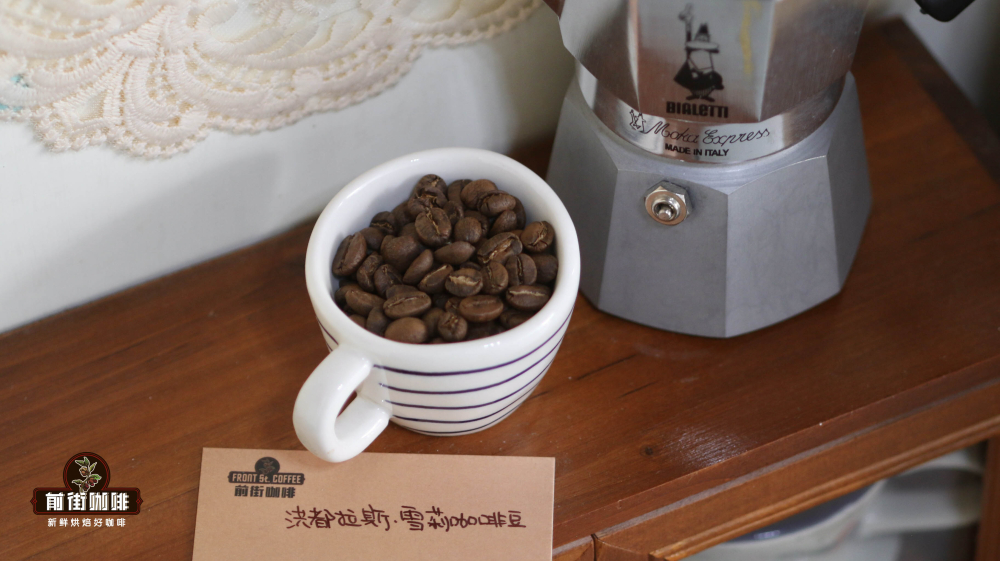
The three practically tested SOE-recommended beans each have unique characteristics:Ethiopia Yirgacheffe Red Cherry Natural (Light Roast) presents a light yellow crema, with sweet berry aromas and gentle acidity;(Light Roast) shows a light yellow crema, with sweet berry notes and soft acidity;Costa Rica Mozart (Medium Roast) showcases raisin aromas and layers of fruit fermentation;(Medium Roast) exhibits raisin notes and fruity fermentation complexity;Honduras Sherry (Medium Roast) features whiskey undertones, paired with creamy vanilla and nutty tones. Each requires parameter adjustments based on actual extraction results to achieve optimal flavor expression.(Medium Roast) delivers whiskey notes alongside cream, vanilla, and nut characteristics. Each needs fine-tuning based on real extraction outcomes to reach its best flavor.
' alt='Yirgacheffe Red Cherry Natural'>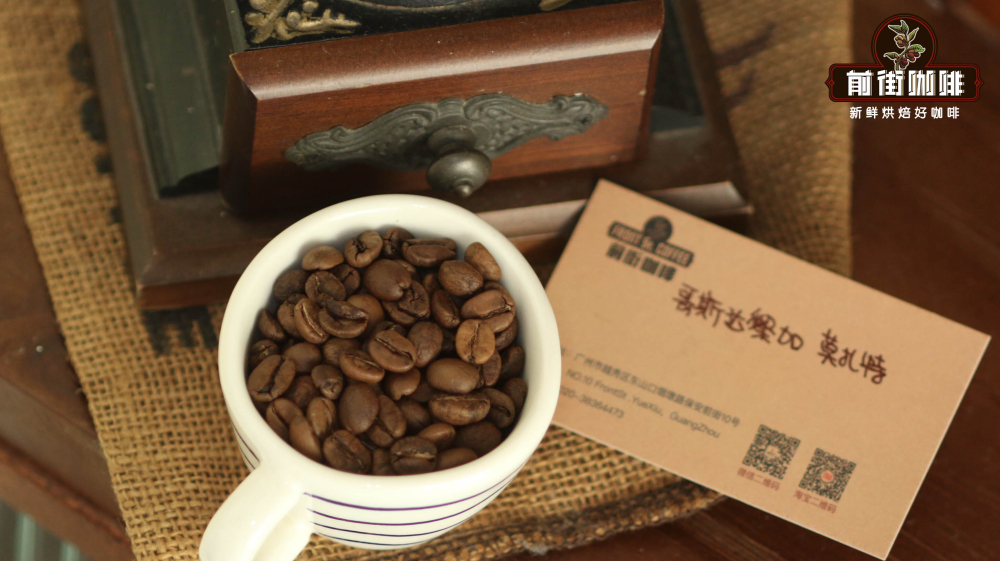 ' alt='Costa Rica Mozart'>' alt='Honduras Sherry Coffee Bean'>
The above content is compiled by CoffeeHunters, a coffee news website.

