








Introduction:Thanks to its low-temperature brewing characteristics, cold brew coffee reduces acidity and bitterness while preserving rich aromas, making it ideal for coffee lovers who prefer a refreshing taste. This article takes an in-depth look at the types of coffee beans suitable for cold brew, ranging from floral and fruity notes to wine-like and intense chocolate flavors, helping readers choose the right beans based on personal preference. It also offers practical bean selection advice and flavoring tips, so you can easily brew your ideal cup of cold brew coffee.
Cold brew coffee is extracted through a long period of low-temperature steeping. Compared to traditional hot brewing, it significantly reduces the release of acidic compounds, resulting in a smoother and less irritating taste. This process also helps lock in the original aroma of the coffee beans, creating a more rounded and layered flavor profile, making it a popular choice for many beginners entering the world of specialty coffee.

So how do you choose the right coffee beans for cold brew? The key lies in understanding your preferred flavor profile. From bright and fresh floral and fruity notes to rich chocolate and spice flavors, different roast levels and processing methods will greatly affect the final extraction results. Clarifying your own taste preferences is the first step in selecting the right cold brew beans.

If you’re drawn to bright and lively acidity along with refreshing floral notes, lightly to medium roasted beans are your best bet. Coffee beans from Africa and Central America, commonly processed using the washed method, highlight the vibrancy of acidity and the layers of fruit flavors. For example, beans from Kenya, Ethiopia, and Panama, when washed, exhibit bright acidity with vibrant fruity tones. After cold brewing, they taste like freshly squeezed juice—rich and refreshing.

For those who prefer a softer sweetness and intense floral notes, consider sun-dried beans. These beans undergo longer fermentation times, accumulating rich sugars and often emitting aromas of ripe tropical fruits and flowers. After prolonged cold brewing, not only do the fruit notes become more pronounced, but the unique fermented character of sun-drying also becomes more evident, adding a unique layer of flavor to the cup. Examples include Ethiopia’s sun-dried Red Cherry and Panama’s Elida Natural Typica.

If you want to experience more vivid and exaggerated aroma profiles, there are also many coffee beans on the market that use innovative processing methods. These beans often exhibit distinct fruit, floral, or even wine-like flavors, which are easier for beginner coffee enthusiasts to identify and appreciate. For instance, Ethiopia’s Dorothy with its white peach oolong aroma, or Costa Rica’s Strawberry Sugar Gesha blend with strawberry and dried fruit notes, are excellent choices that showcase rich aromas during cold brewing.
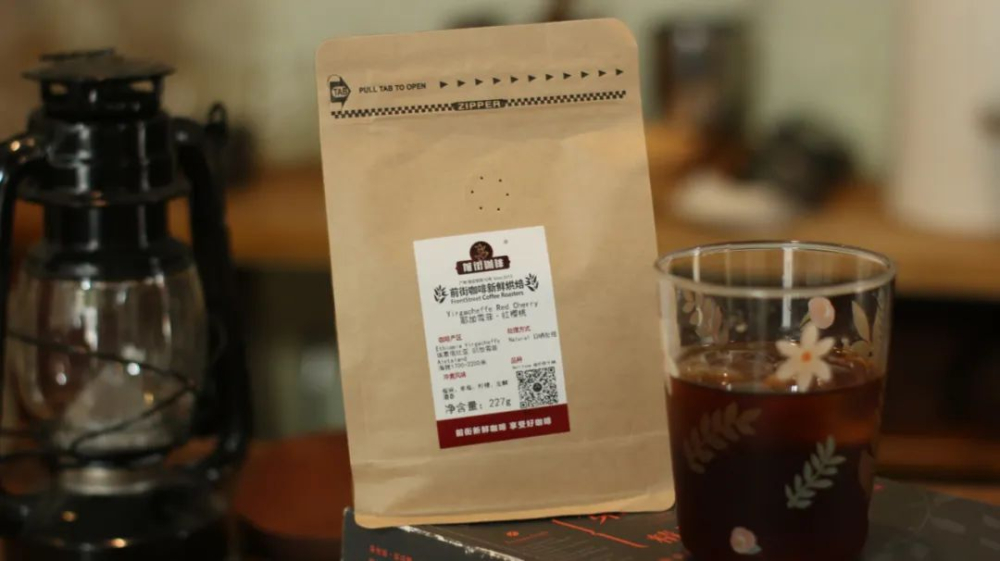
If you enjoy floral notes but don’t want them too sweet, pay attention to beans with prominent floral characteristics, such as the rose and fortified chocolate aromas of Colombia’s Rose Valley, or the chamomile-like ambiance of Heaven Estate’s Sakura beans. These beans release subtle floral notes after cold brewing, adding a fresh layer to the overall flavor.

For those who prefer a rich and bold taste, medium-dark or dark roasted coffee beans are more suitable. Medium-dark roasting retains a hint of acidity while bringing out chocolate and spice flavors. Examples include Brazil’s Queen Estate and Guatemala’s Antigua Fleur, which after cold brewing offer a smooth mouthfeel and a slight caramel aroma, achieving a balanced sweet and sour taste without being cloying.
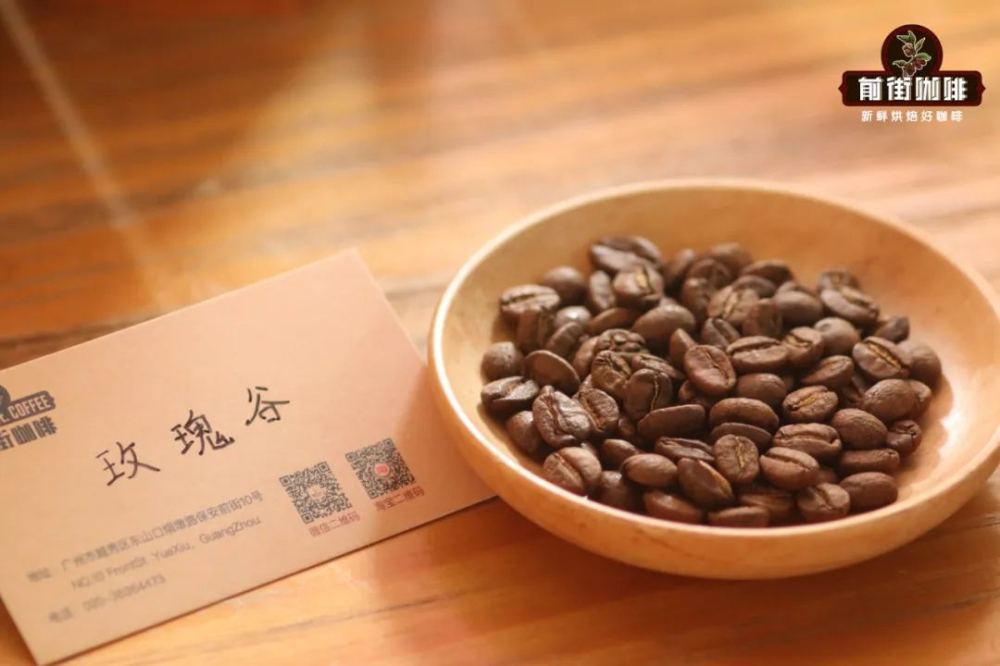
If you absolutely don’t want any acidity and are solely seeking a smooth, spicy and chocolatey taste, go for dark roasted Indonesian Golden Mandheling. Its intense spice and deep black chocolate richness, after prolonged cold brewing, reveal an ultra-smooth and completely acid-free bold flavor, making it the ideal choice for dark roast enthusiasts.
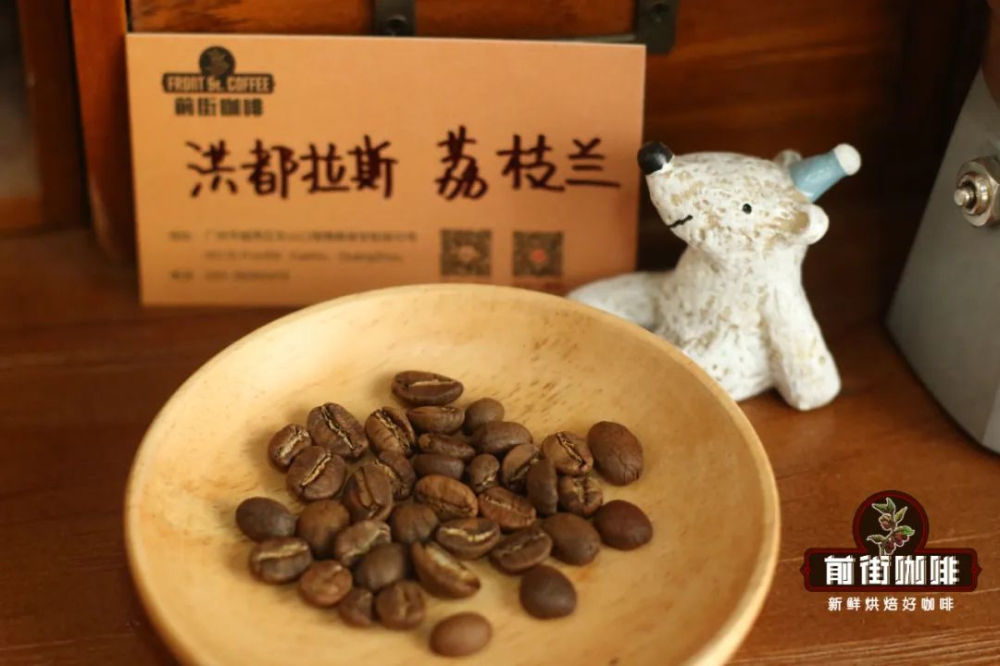
In addition to selecting the right beans, you can also try adding small amounts of natural dried flowers like osmanthus or jasmine during the cold brew process to impart subtle floral notes. Since the cold brew environment is still and low in temperature, pairing flowers with distinctly fruity or floral medium-light roasted beans can allow the flower and coffee aromas to complement each other, enhancing the overall flavor complexity and freshness.
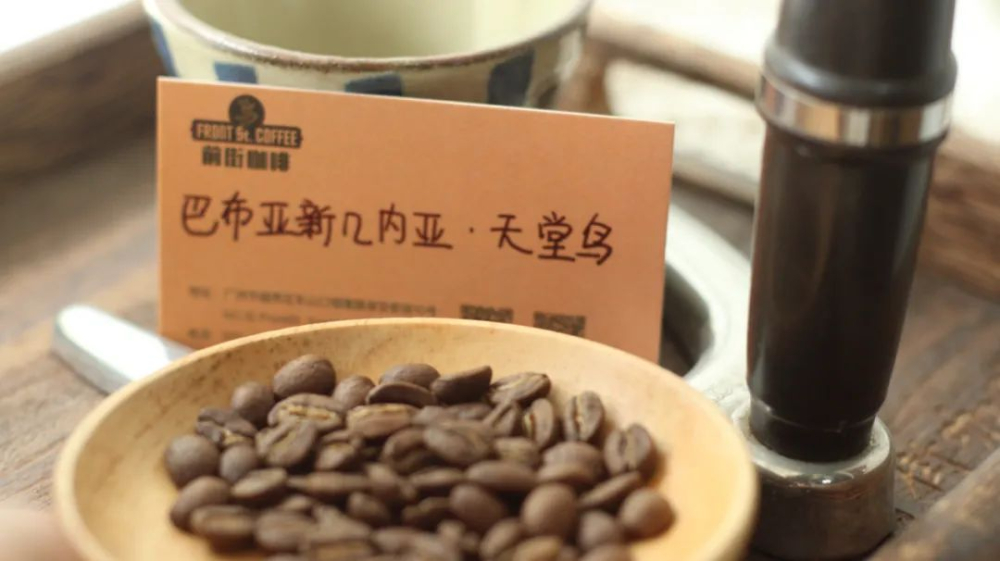
In summary, cold brew coffee offers a wide range of bean selection strategies, from refreshing floral and fruity notes to sweet fruit aromas and rich, bold chocolate and spice flavors, all achievable through appropriate bean choices and processing methods. Whether you’re a beginner just starting out or a drinker looking for new beverage inspiration, mastering these bean selection and flavoring techniques will help you easily brew the perfect cold brew coffee tailored to your personal taste.


The above content is compiled by CoffeeHunters, a coffee news website.

