








Introduction:Cold brew coffee, known for its smooth texture and low acidity, has become a favorite among many coffee enthusiasts during the summer—and even a year-round home brewing method. This article delves into the brewing principles behind cold brew, explores the characteristics of coffee bean varieties that suit it best, explains why certain beans can highlight more layered flavors, and debunks common myths such as whether regular coffee grounds can be used or if special equipment is required. It helps you find the cold brew recipe that best suits your taste.
Cold brew coffee has gained global popularity in recent years—not only because it’s easy to make, but also due to its uniquely rich and smooth flavor. No matter how busy you are, just mix coffee grounds with cold water, let it sit in the fridge for about 12 hours, and by the next day you’ll have a cup of delicately flavored cold brew. It’s okay if you don’t finish it all at once; as long as it’s stored sealed in the fridge, it remains drinkable for several days. However, be aware that the fermentation-like notes will intensify over time, so it’s recommended to consume it within 3 to 4 days for optimal flavor.
What is cold brew coffee? Cold brew (Cold Brew Coffee) is made by combining coarsely ground coffee with cold water at a certain ratio, then allowing it to steep in a low-temperature environment (usually a refrigerator) for 12 to 24 hours. Some who prefer a stronger, richer taste may steep it for up to 48 hours. After extraction, the coffee grounds are filtered out, leaving behind the brewed coffee liquid. Compared to traditional hot water extraction, cold brew does not require high temperatures or specialized pour over equipment—just a simple container is enough.
The two defining features of cold brew are low-temperature extraction and prolonged contact time. This means only small-molecule compounds such as fruit acids and floral notes are easily released, while larger molecules like smoky or roasted flavors are less likely to be extracted. That’s why cold brew coffee typically has lower acidity and astringency, offers a smoother mouthfeel, and is more accessible to those who aren’t used to the acidic profile of coffee.
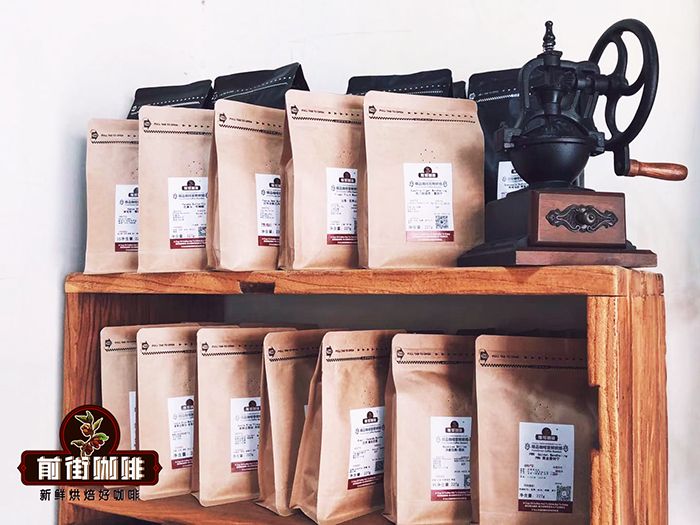
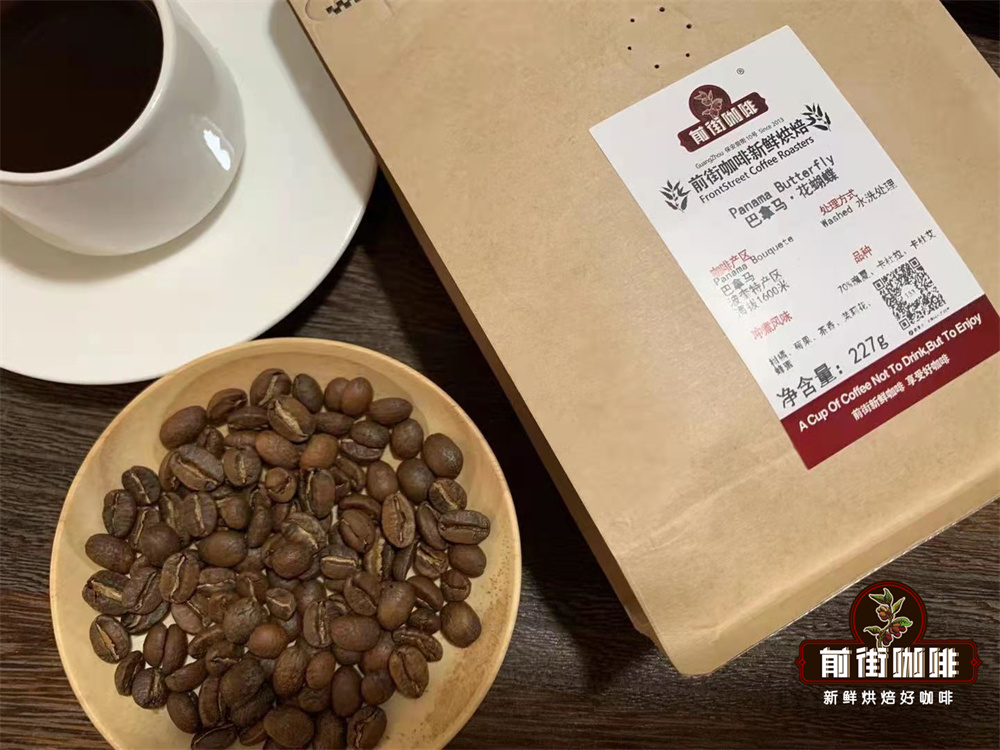
So,what kind of coffee beans should you choose for making cold brew? Generally, it is recommended to use coffee beans processed via natural (sun-dried), washed, or special fermentation methods. These processing techniques bring out more pronounced sweetness and layered flavors, which are also more likely to shine through during cold brewing. For instance, African-origin beans often feature bright floral and fruity acidity, though they may lack a bit in body; whereas American beans—like those from Panama or Costa Rica—processed via honey or washed methods, tend to exhibit clear fruity and floral notes, elegant acidity, and good body, making them especially suitable for extended cold brew.
 " alt="Cold brew coffee illustration">
Many coffee enthusiasts also experiment with creative flavoring—for example, using soda water instead of cold water for brewing, which causes more thorough extraction of coffee solids due to bubble agitation, resulting in different textures and intensities. Additionally, pairing with fresh milk or cream can adjust the richness and body. Light roasts are recommended for drinking black to appreciate the floral and fruity notes, while dark roasts suit milk additions to create latte-like smooth drinks. If you enjoy a hint of alcohol, you can also add a small amount of Irish whiskey or brandy, or opt directly for wine-barrel-fermented beans such as Honduras Sherry, which offer aromas of whiskey and creamy vanilla.
In summary, when selecting beans for cold brew, prioritize considering the processing method and origin characteristics. For instance, washed processing highlights clean acidity and clarity, sun-dried enhances sweetness and fruitiness, and special fermentation often brings complex wine-like aromas and bold aftertastes. Whether you prefer refreshing fruit tones, rich chocolatey flavors, or unique profiles with hints of alcohol, cold brew—through its prolonged steeping—can reveal the most delicate aspects of the coffee beans.
 " alt="Cold brew process illustration">
For those just starting with cold brew, there’s no need to buy expensive equipment. All you need is a glass bottle or pitcher, coarsely ground coffee, and cold water to get started. The recommended coffee-to-water ratio is about 1:8 to 1:12, adjustable according to personal taste. Coarse grinding helps reduce over-extraction and avoids difficulties in settling the coffee grounds. Once mixed, place
In summary, cold brew coffee is not only an excellent choice for cooling off in the summer, but also an extraction method that showcases the delicate nuances of coffee. As long as you choose the right bean variety, use the appropriate grind size and coffee-to-water ratio, you can easily make your own flavorful cold brew at home and enjoy its rich and smooth taste after a long wait.




The above content is compiled by CoffeeHunters, a coffee news website.

