







Introduction:Want to extract the bright, single-origin coffee flavors akin to those from specialty shops using your home espresso machine? The key lies in mastering the roast date and the optimal tasting window of the coffee beans. This article explains everything from the degassing period after roasting, the ideal drinking stage, to adjusting extraction parameters on home machines and storage essentials. It also illustrates different flavor profiles with real coffee examples, helping you accurately pinpoint the best time to brew.
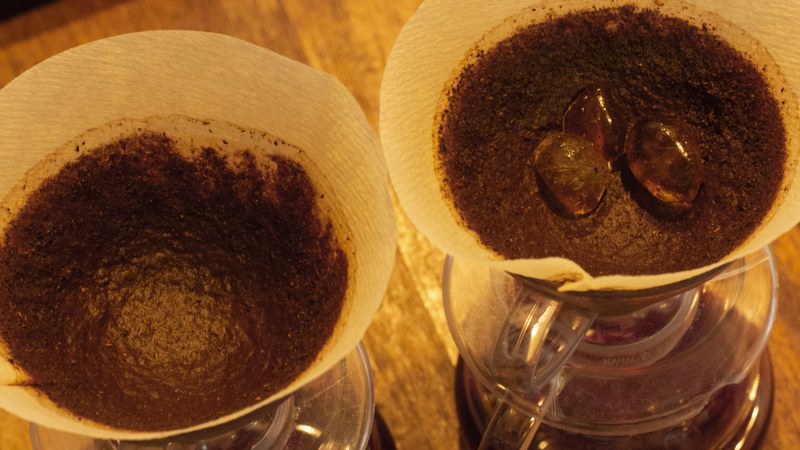
Freshly roasted coffee beans, even after leaving the high-temperature environment, continue to undergo a series of complex chemical reactions and steadily release carbon dioxide. If you use a home espresso machine to extract single-origin coffee, the high-pressure hot water must penetrate the fine layer of coffee grounds. If too much gas remains in the beans at this point, it not only hinders uniform contact between the water and coffee grounds, but can also result in overly sharp flavors and difficulty in fully releasing the aromas.
Understanding the coffee bean’s optimal tasting cycle is fundamental to successfully extracting a well-balanced espresso. Generally, in the first few days after roasting, the beans continuously emit internally accumulated carbon dioxide—this period is called the “resting period.” Especially for light or medium-light roasted single-origin beans, which have a denser structure and slower degassing rate, it is recommended to let them rest for several days in a dark, well-ventilated environment. Once the gas release stabilizes, you can then grind and extract the beans to achieve more balanced flavor expression.
When coffee beans enter their ideal drinking stage, the release of aromatic molecules and water-soluble flavor compounds reaches an optimal balance. At this point, using a home machine, you only need to slightly adjust the grind size to achieve stable and easily controllable flow rate. The extracted coffee will have fine crema, a well-balanced acidity and sweetness, and clearly express the unique floral and fruity notes of the coffee’s origin, delivering a cupping experience close to that of a professional café.
Take the commonly seen Ethiopian Hambela natural-processed Huakui (Flower Queen) as an example. This bean, slow-dried under the sun, features distinct tropical fruit, strawberry, and passion fruit-like sweet aromas. After proper resting and degassing, the originally vibrant fruit acidity transforms into a gentle sweetness. Whether extracted as a single-origin espresso or brewed via drip methods, it showcases rich layers reminiscent of fruit juice.
When extracting this Huakui using a home espresso machine, it is recommended to use water heated to about 91°C , with a coffee dose of about 15 grams, and a 1:15 coffee-to-water ratio(total water volume around 225 milliliters). The total extraction time should be controlled at around 2 minutes and 10 seconds . Use a three-stage pouring method: start with 30 milliliters of hot water for a 30-second bloom, then pour 100 milliliterssteadily, followed by an additional 95 milliliters. This approach gradually highlights the refreshing strawberry-like fruitiness and natural sweetness.
It’s important to note that once coffee beans are opened, they are exposed to oxygen, humidity, and light, all of which cause gradual aroma loss. It’s recommended to keep unused beans in their original packaging (ensure it has a one-way degassing valve), press out excess air, and seal it tightly—or transfer them to an opaque, airtight container stored in a cool, dry place. Avoid leaving coffee beans near heat sources (such as on top of the espresso machine) or in damp kitchen corners, as these environments accelerate flavor degradation.
Another bean worth trying is the Kenya Little Tomato from a renowned roastery. Its flavor profile blends tart and sweet layers of cherry tomato, dark plum, and brown sugar. After sufficient resting, the initially strong fruit acidity softens into a rounder, crisper juiciness, with a mellow caramel-like sweetness lingering in the finish. Whether extracted as espresso using a home espresso machine or brewed via pour over, it displays clear layers and balance.
For this Kenya Little Tomato, it’s recommended to use water heated to about 89°C , with a coffee dose of about 16 grams, and a total water volume of 240 milliliters, aiming for an extraction time of 2 minutes and 05 seconds. Use a two-stage pouring method: begin with 40 milliliters of hot water for a 25-second bloom to allow the coffee grounds to fully expand, then pour the remaining 200 milliliterssteadily with a smooth water flow. This helps bring out the refreshing tartness and sweetness of cherry tomatoes and dark plums while maintaining a clean, crisp finish.
To consistently enjoy single-origin coffee at its peak at home, it’s recommended to purchase beans in reasonable amounts based on daily consumption and to grasp the golden drinking window after opening. Generally,finishing the beans within 2–3 weeks after openingallows you not only to experience the flavor transition from the resting phase through peak to decline, but also avoids frequent adjustments to grind size and extraction parameters due to bean aging. This makes the brewing process simpler and the flavors more stable.
By understanding the characteristics of coffee beans through each stage—from roasting and resting to post-opening—and combining them with stable extraction conditions, even a home espresso machine can fully showcase the nuanced regional traits, bright and clear acidity, and rich, sweet aftertaste of single-origin coffee, bringing a nearly professional-level enjoyment.
The above content is compiled by CoffeeHunters, a coffee news website.

