







Introduction:Understanding the degassing changes of single-origin (SOE) coffee beans from roasting to their peak flavor period allows you to grasp the optimal drinking window and pour over parameters for each bean, so you can brew bright fruity acidity and richly layered coffee at home. This article details the degassing rhythms of light-, medium-, and dark-roast beans, key preservation tips, and offers practical brewing suggestions.
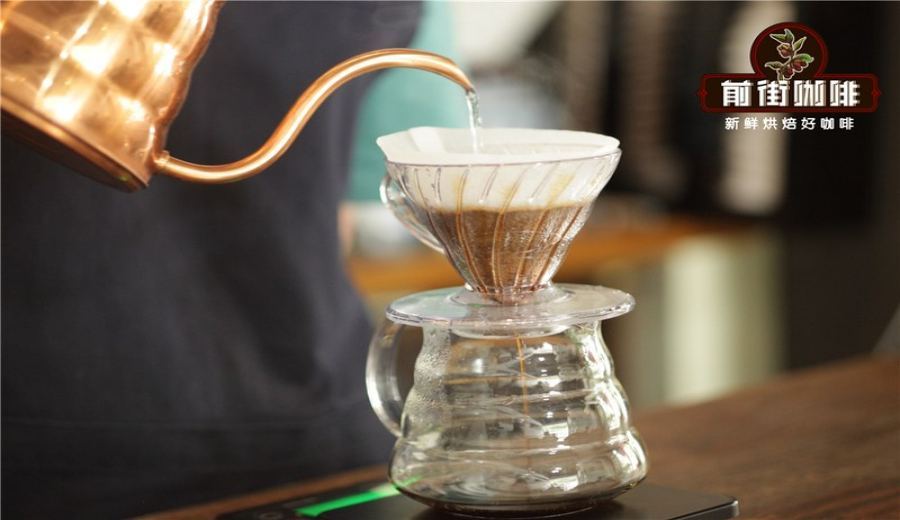
Freshly roasted single-origin coffee beans contain a large amount of carbon dioxide, which is rapidly released during the first pour, creating a thick foam. This not only affects water penetration but may also hinder aroma release. Allowing sufficient degassing time helps aromatic compounds stabilize and release, laying the foundation for even extraction later on.
Beans with different roast levels and processing methods show noticeable differences in degassing speed. Compact light-roast beans release carbon dioxide more slowly and generally need at least seven days of rest for their flavors to gradually unfold; medium-roast or highly fermented beans degas more quickly, showing balanced aromas in about five to seven days. Mastering these rhythms allows you to plan your coffee purchases based on daily consumption, ensuring each pack is used at its peak flavor.
The so-called optimal drinking period refers to the stage when degassing stabilizes, and the coffee’s floral-fruity notes, sweetness, and clarity of flavor reach their best—typically between one week and one month after roasting. During this period, the aromatic oils in the bag remain active, making it suitable to arrange an opening schedule based on personal consumption frequency.
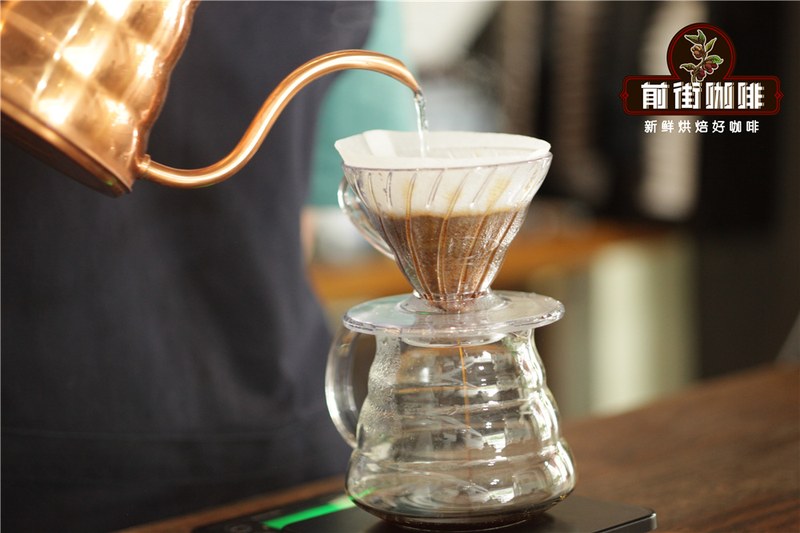
Take the Panama Geisha Red Label from Finca Esmeralda, a representative of light-roast beans, as an example. Its green beans have a solid structure and are rich in aromatic compounds. It is recommended to let it rest for ten to fourteen days after roasting, allowing internal gases to fully release. When grinding, you can clearly smell jasmine, bergamot, and citrus aromas, and the brewed tea-like texture becomes even more delicate. In practice, you can use 91°C water, 15g of coffee grounds with 225ml of water, and employ a three-stage pouring method—first pouring 30g of water for a 30-second bloom, then pouring in stages up to 225ml, with a total brew time of about 2 minutes and 5 seconds—to help bring out white floral and black tea undertones.
The Colombian Geisha, processed with special fermentation, has even richer flavor layers. About seven days after roasting, intense fruit aromas such as purple grape, blueberry, and apricot emerge, with lively acidity and enhanced sweetness as the temperature drops. It is recommended to use 90°C water, 16g of coffee grounds, and 240ml of water, starting with 40g of water for a 25-second bloom, then pouring all the water at once, with a total extraction time of about 1 minute and 50 seconds—to fully present the sweetness of ripe fruit.
The classic Ethiopian washed Yirgacheffe Guji Dingding typically reaches its optimal drinking period five to seven days after roasting. After proper degassing, natural notes of white flowers, lemon acidity, and green tea aftertaste emerge, offering a refreshing and bright cup. It is recommended to use 92°C water, 15g of coffee grounds, and 225ml of water, employing a three-stage pouring method (first blooming for 28 seconds, then pouring in stages up to 225ml, with a total brew time of 2 minutes and 10 seconds) to balance bright acidity and floral-tea aftertaste.
Storing opened coffee beans is equally crucial. It is recommended to use sealed bags with a one-way degassing valve, squeezing out excess air and sealing tightly after each use. Store in a cool, dark, and dry environment, away from sunlight and moisture, to extend the flavor preservation period by approximately two to three weeks.
In summary, understanding the degassing characteristics and optimal drinking rhythms of SOE coffee beans helps you open new beans in batches according to your consumption rate, ensuring each single-origin bean is presented at its best to showcase origin flavors, making your daily coffee moments more layered and enjoyable.
The above content is compiled by CoffeeHunters, a coffee news website.

