







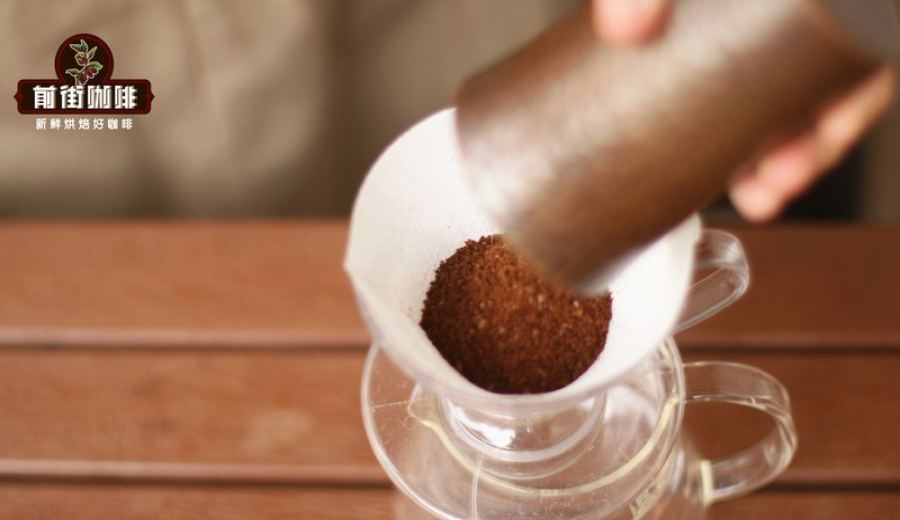
Introduction:The medium-dark and dark roast coffee beans commonly used for espresso differ in their degassing rates, flavor development, and optimal extraction timing due to their varying roast levels. This article details the resting periods for both roast types, provides recommendations for preserving flavor after opening, and offers practical pour over and espresso brewing parameters to help you grasp the best time to enjoy your coffee and enhance the flavor profile of every cup.
After roasting, coffee beans continue to release carbon dioxide—a process known as the “degassing phase.” Due to differences in heat exposure and duration, medium-dark and dark roast beans exhibit distinct internal pore structures and degassing speeds, which in turn affect subsequent extraction performance and flavor expression.
Medium-dark roasted coffee beans are generally subjected to gentler heat, resulting in relatively intact cellular structures within the bean and a smoother degassing process. It is recommended to let these beans rest for about seven to ten days after roasting to allow excess gases to dissipate naturally. Only then can water flow more smoothly through the coffee grounds, extracting the delicate fruit acidity and natural sweetness, achieving a balanced flavor profile.
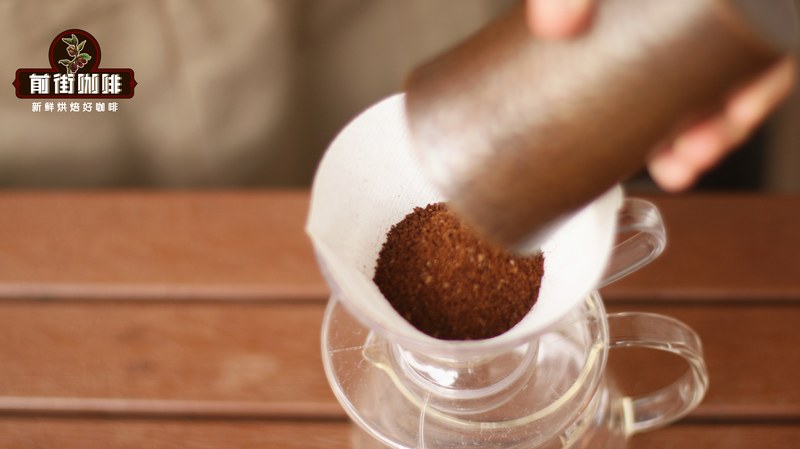
Taking common medium-dark roast espresso beans as an example—those with mellow nutty and caramel sweetness notes—their pour over performance is particularly outstanding once the degassing is complete. It is recommended to use 15 grams of coffee grounds with a water temperature of around 88°C, using a 1:15 coffee-to-water ratio (total water volume of 225 milliliters), employing a three-stage pouring method: start with a 30-second bloom using 30 milliliters, followed by a steady pour up to 130 milliliters, and finally topping up to 225 milliliters. The total extraction time is about 2 minutes and 05 seconds, yielding a rounded and layered mouthfeel.
In contrast, dark roast coffee beans undergo more complete dehydration under high temperatures, forming more tiny pores on the bean surface and inside, with coffee oils surfacing earlier. These beans enter their flavor maturation stage around five to seven days after roasting. Using them too early may cause the large amount of residual carbon dioxide inside the beans to hinder water contact with the coffee grounds, reducing extraction efficiency. Once degassing is appropriately completed, dark roast beans can showcase a rich and stable bold texture.
Taking a classic dark roast single-origin espresso bean as an example, it often features intense herbal, spicy, and dark chocolate notes. It performs exceptionally well when brewed with a moka pot: use 18 grams of finely ground coffee in a double-valve filter basket, add about 85 milliliters of 90°C hot water to the lower chamber, and heat evenly over low to medium heat. Use a single continuous pour, with the entire extraction process taking about 1 minute and 15 seconds, producing a robust and flavor-concentrated Americano-style coffee.
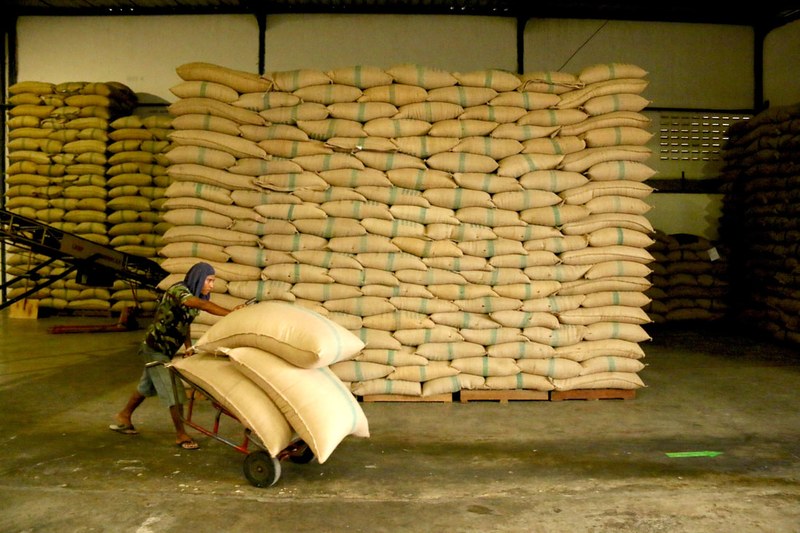
If you typically make milk-based drinks like lattes or cappuccinos, blended espresso beans are usually a more forgiving choice. These beans are professionally blended, combining foundational flavors of nuts, caramel, and cocoa, and generally reach their optimal flavor window around eight days after roasting. When paired with steamed milk, they deliver a rounded sweetness and rich texture.
When using a semi-automatic espresso machine to brew blended beans, it is recommended to use 18 grams of coffee grounds, set the water temperature to 92°C, aim for a 36-milliliter shot of espresso, and control the total time to around 26 seconds using a single-stage pressurized extraction. This will yield an espresso with fine, dense crema and a golden color, whether enjoyed straight or with hot milk, both presenting clear and long-lasting aromatic notes.
Aside from understanding the optimal extraction timing for different roast levels, the method of storage after opening is also crucial. Dark roast beans, due to their richer surface oils, oxidize more quickly upon contact with air and are recommended to be consumed within two to three weeks after opening to maintain flavor integrity. Medium-dark roast beans, releasing less oil, have a longer shelf life of three to four weeks after opening, still preserving a certain level of aroma and sweetness.
For daily storage of coffee beans, it is best to choose the original opaque bags with one-way degassing valves, or airtight, light-blocking glass or metal containers, and store them in a cool, dry, and dark place. If you purchase large-capacity packaging, it is advisable to divide the beans into smaller portions suitable for each brew to minimize the beans’ exposure to air and moisture, thereby further slowing down aroma loss and ensuring every brew delivers the best possible coffee experience.
By taking into account the differences in degassing cycles, post-opening flavor retention periods, and extraction characteristics between dark and medium-dark roasts, and arranging the order in which you open the beans and your usage rhythm based on personal drinking habits, you can ensure that every cup of espresso is enjoyed at the peak of its flavor, providing a richer and more satisfying coffee brewing experience.
The above content is compiled by CoffeeHunters, a coffee news website.

