







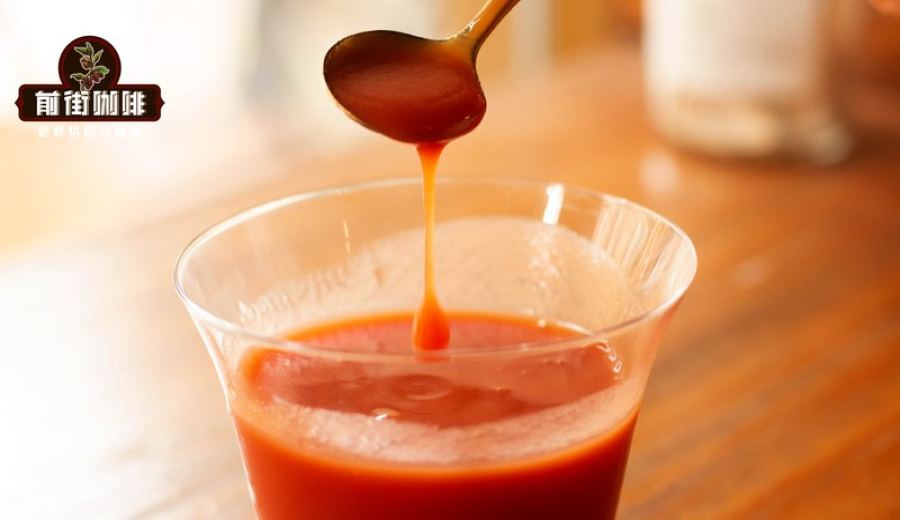
Introduction:The golden, fine crema on the surface of an espresso is one of the key indicators of a successful extraction. The formation of this crema is actually closely related to the degassing process that occurs after the coffee beans are roasted. This article delves into the rhythm of gas release from coffee beans through roasting, resting, and extraction, helping you understand how to control the degassing cycle, adjust water temperature and grind size, so that every shot of espresso can exhibit a delicate and rich foam with a full-bodied aroma. It also provides practical extraction parameters and bean recommendations for different roast levels.
The enticing golden crema on an espresso is actually a fine emulsified foam formed during high-pressure extraction, where carbon dioxide from within the coffee beans combines with aromatic compounds. This carbon dioxide mainly comes from the gases trapped inside the beans after roasting, which are gradually released over time and directly affect the formation and stability of the crema.
Freshly roasted coffee beans contain a large amount of active gases. If ground and extracted immediately, the overly intense degassing can interfere with the even contact between water and coffee grounds. Although it may produce what looks like a rich crema, the foam tends to dissipate quickly and the taste often has a harsh, baked sensation. Therefore, understanding the degassing rhythm of the beans and properly scheduling their opening and usage is the foundation for stable crema extraction.
Different roast levels of coffee beans also show noticeable differences in their degassing speed. Dark roast beans, due to their looser structure, release gases more quickly and generally require about seven to ten days of resting for the crema and aroma to reach a better balance. In contrast, medium to light roast single-origin beans, with denser bean structure, degas more slowly and usually need to rest for about two weeks to achieve ideal emulsification of aroma and crema.
Take the popular dark roast blend “Black Cocoa” as an example. This blend highlights rich cocoa and nutty notes, and performs particularly well after resting for ten days. When extracting with an espresso machine, it is recommended to set the water temperature at91°C, with a dose of20g, using a two-stage extraction method: first pre-infuse at low pressure for 5 seconds, then extract under pressure until reaching40gin volume, with the total extraction time controlled at around26 seconds. The resulting espresso features a dark hazelnut-colored crema, with flavors of rich dark chocolate and roasted nut aftertaste, making it ideal for crafting sweet and bold lattes.
If you prefer a smoother taste with a moderately thick crema, the medium roast single-origin bean “Brazilian Queen Estate” is a great choice. It is recommended to let it rest for abouttwelve daysafter roasting. By this time, the bean’s aroma and crema reach a good balance—not only suitable for espresso but also capable of showcasing a round and sweet character when brewed with a pour over method. For pour over, suggest a water temperature of89°C, with a dose of15g, using a three-stage pouring method to reach225mlin volume, with a total brew time of approximately2 minutes and 05 seconds. The cup offers a soft sweetness reminiscent of peanuts and caramel.
For those who enjoy bright fruity notes and a refreshing taste, the “Strawberry Candy” beans perform exceptionally well about two weeks after roasting. When making a fruit-forward Americano, it is suggested to slightly adjust the water temperature to93°C, use a dose of18g, and extract evenly in one continuous pour to36gin volume, with a total time of about28 seconds. This extraction method preserves a delicate crema layer while releasing lively sweet notes akin to strawberry taffy. Adding cold water enhances its clarity and freshness.
After entering its optimal drinking window, coffee beans typically have a three to four-week peak flavor period. During this time, the internal gas release is stable, aromatic compounds and crema are easily emulsified, resulting in a thick and long-lasting crema. However, if the bag has been open for over a month, residual gases and volatile aromas gradually dissipate, causing the crema layer to thin out—even with grind adjustments, the foam remains sparse.
Maintaining the freshness of coffee beans and their crema performance is crucially dependent on storage methods. It is recommended to choose original packaging with a one-way degassing valve, which effectively vents carbon dioxide while preventing oxygen from entering. After each use, squeeze out excess air from the bag and seal it tightly. For daily storage, opt for a cool, dry, and dark environment such as a drawer or cabinet. Avoid frequently placing the bean bag in the fridge to prevent condensation caused by temperature changes, which can accelerate oxidation of the oils.
Planning an appropriate amount of beans to purchase is also important. If you only drink one espresso or milk coffee per day, it is advised to choose aapproximately 200-gramsmall pack, ensuring it can be consumed within two to three weeks after opening. For those with higher daily output, consider opening beans in batches so each batch is used during its optimal flavor and gas-active stage, maintaining stable extraction performance and crema texture.
By mastering the overall rhythm—from the post-roast degassing period and optimal drinking window to daily storage—you can more precisely control the crema performance and flavor release of your espresso. Open the bag at the right time, pair it with the appropriate water temperature, grind size, and brewing technique, to ensure every shot of espresso consistently presents an alluring golden foam and rich aroma.
The above content is compiled by CoffeeHunters, a coffee news website.

