







Introduction:Freshly roasted coffee beans contain a large amount of carbon dioxide, which affects extraction and flavor expression. Understanding the degassing period and optimal flavor window of espresso beans is key to mastering the best drinking timing and enjoying a balanced, rich cup. This article explains when to start brewing after roasting, how to determine the peak flavor period, as well as storage tips and practical extraction parameters—ensuring every cup is enjoyed at the height of its flavor.
After roasting, coffee beans accumulate a significant amount of carbon dioxide, which is gradually released over the following days to weeks. For pressure-extracted espresso, the pace of this carbon dioxide release directly impacts crema fineness and overall flavor expression. Understanding the internal changes of coffee beans at different stages helps you enjoy the most balanced and full-bodied coffee experience at the optimal time.
If coffee beans are ground and extracted immediately after leaving the roaster, the excessive bubbles released due to sudden internal pressure changes can interfere with even water penetration through the coffee grounds, leading to uneven extraction. This may result in noticeable sharp or off-flavors, and the crema may appear coarse. Generally, medium to dark roasted espresso beans are recommended to rest for about seven to ten days during the degassing period. During this time, internal pressure gradually stabilizes, allowing aromatic compounds to more smoothly dissolve into the coffee liquid during subsequent extraction.
Once the degassing period ends, the coffee beans enter what is known as the “optimal flavor window.” This period typically falls between the tenth and thirty-fifth day after roasting. During this time, the aromatic compounds in the beans are preserved in their best condition, the crema is rich and smooth, and common flavors such as roasted nuts, caramel sweetness, and the richness of dark chocolate become clearer and more distinct. Whether making a single shot of espresso or pairing it with fresh milk drinks, you can enjoy a coffee with layered complexity and a full-bodied mouthfeel.
For example, a classic espresso blend centered on nuts and cocoa, once fully degassed, can showcase a steady and intense base note. If using a home-style double-shot portafilter to brew espresso, it is recommended to use about 20 grams of coffee grounds, set the water temperature to 93°C, maintain a stable pressure of 9 bars, and perform a single continuous extraction to produce 40 milliliters of espresso within 28 seconds. This extraction profile is especially suitable when paired with hot milk, as the milk aroma and coffee flavors integrate tightly, resulting in a smooth and rounded mouthfeel.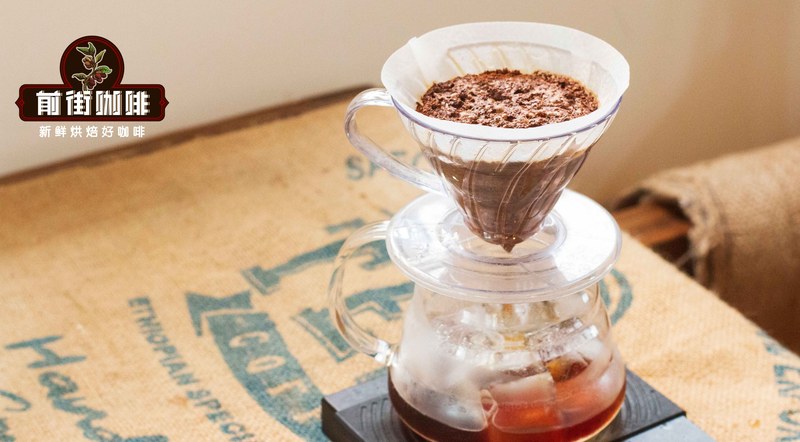
The way coffee beans are stored after opening is crucial for extending their optimal flavor period. Oxygen, moisture, and light can accelerate the oxidation of oils in roasted beans, leading to rapid flavor degradation. After each use, any excess air in the packaging should be expelled as soon as possible, the seal should be firmly pressed closed, and the beans should be stored in a cool, dry, and dark cabinet. It is particularly important not to place unsealed coffee beans directly in the refrigerator, as they may absorb environmental moisture and odors, which can accelerate flavor loss.
For coffee lovers who enjoy switching between black coffee and milk-based drinks, a blend with a base from South American origins and a soft, balanced flavor profile is an ideal choice. Such beans often feature notes of roasted hazelnuts, toffee, and gentle fruit sweetness. If you prefer to brew pure coffee using a pour-over dripper, it is recommended to use 15 grams of coffee grounds, control the water temperature at 90°C, and use a total of 225 milliliters of water. Employ a three-stage pouring method: first pour 30 milliliters and let it bloom for 30 seconds, then pour up to 130 milliliters, and finally top up to 225 milliliters. The entire extraction process takes about 2 minutes and 15 seconds, which fully highlights the bean’s delicate flavor layers.
Establishing a reasonable coffee purchasing and drinking rhythm is also a key strategy for maintaining freshness. It is recommended to choose a package size that suits your daily consumption—for instance, if you drink about three to four cups of coffee per week, a small package of around 250 grams is appropriate. This allows you to finish the beans within two to three weeks after opening, avoiding the loss of aroma and flavor details due to prolonged exposure to air.
When the roast date of coffee beans exceeds one month, the internal degassing process significantly slows down, and the crema layer may also gradually thin. At this point, you can fine-tune the grind size slightly finer or raise the water temperature a bit to maintain extraction strength and flavor expression. Especially for darker roasts with looser bean structure, gas release tends to be faster, so it’s especially important to make the most of the first few weeks after roasting to fully experience their deep, mellow flavor characteristics.
If you prefer deep herbal, woody aromas and a thick mouthfeel, you might consider beans with extremely low acidity and a rich profile of dark chocolate intertwined with caramel sweetness and bitterness. When using a moka pot to brew such beans, it is recommended to add 160 milliliters of 88°C water to the lower chamber, fill the filter basket with 18 grams of coffee grounds and gently level them, then heat slowly over a low flame for a single continuous extraction. Once the extraction time reaches 1 minute and 50 seconds and the coffee volume is about 100 milliliters, remove from heat. The resulting coffee will have a rich, full-bodied entry and is perfect for slowly savoring its deep flavor layers.
Understanding and mastering the degassing rhythm and flavor cycle of espresso beans can bring direction to what seems like a complex extraction process. From selecting beans with an appropriately fresh roast date, to properly storing them to maintain freshness, to fine-tuning extraction parameters based on the beans’ flavor state—each step brings you closer to the true character of the coffee, allowing you to consistently enjoy a rich and smooth coffee experience in daily life.
The above content is compiled by CoffeeHunters, a coffee news website.

