







Introduction:Understanding the flavor changes that freshly roasted coffee beans undergo during degassing and resting periods helps you pinpoint the optimal extraction window for espresso. This article delves into the degassing patterns and flavor development curves of coffee beans roasted to different levels, offering practical brewing parameters and storage tips to help you consistently achieve rich, layered flavors at home.
Freshly roasted coffee beans contain a high amount of active carbon dioxide, which can interfere with water penetration through the coffee grounds, leading to uneven extraction. For espresso machines, excessive gas not only results in a rough and unstable crema but can also create a dry, astringent taste. Allowing the beans to rest properly in a one-way valve bag is a key step in releasing excess gases and balancing aroma with a smooth, rich crema.
Coffee beans roasted to different levels show distinct differences in degassing speed and flavor maturation cycles. Dark-roasted beans, due to their expanded cell structure and larger pores, release carbon dioxide more quickly. Typically, after five to seven days of resting, nutty notes and a mellow sweetness begin to emerge. In contrast, medium to light roast beans have a tighter structure with flavors locked deeper inside, often requiring ten days or even two weeks for bright fruity notes and a clean sweetness to stabilize.
Take a dark roast-blend bean as an example — a certain blend is a classic everyday choice. These beans, roasted to a deep brown, showcase intense dark chocolate, roasted almond, and caramel-like sweetness with almost no acidity. It’s recommended to open and use them about a week after roasting, when the crema is rich and smooth. Whether making straight espresso or adding milk for a latte, you’ll get a solid foundation of nutty cocoa flavors.
To explore the flavor profile of this blend, try brewing it via pour over. Suggested parameters: 91°C water temperature, 15g coffee grounds, 1:15 coffee-to-water ratio (225ml total water), with a total brew time of around 2 minutes and 5 seconds. Use a three-stage pouring method: start with 30ml of hot water for a 30-second bloom, then pour in a circular motion from the center outwards for 100ml, and once the liquid level drops by half, add the remaining 95ml to complete the extraction.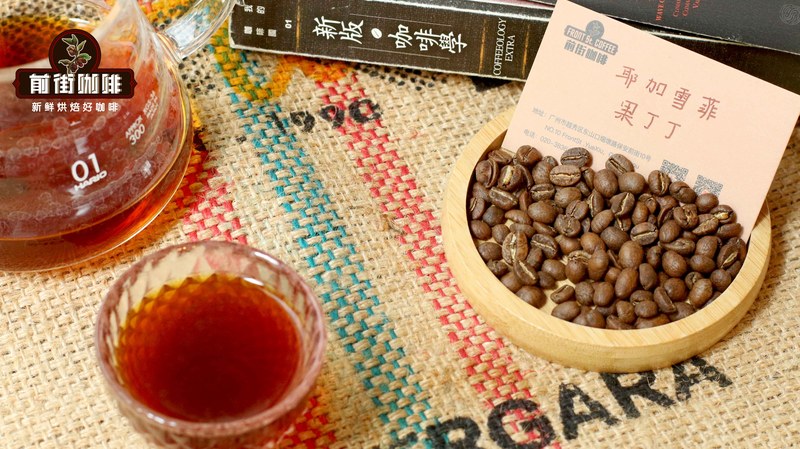
Another single-origin bean worth trying is a certain Brazilian Queen Estate bean, which showcases the classic characteristics of its growing region. This bean delivers mild roasted hazelnut, brown sugar, and cocoa notes, with soft acidity and a round mouthfeel. It’s recommended to let it rest for seven to ten days after roasting, allowing internal sugars to fully caramelize, which enhances clarity in flavor. When extracted with an espresso machine, it offers a silky texture, and even a home moka pot can bring out its balanced sweet finish.
For brewing this Brazilian bean, suggested parameters are: 89°C water temperature, 16g coffee, 240ml water, aiming for a 2 minute and 15 second extraction. Use a two-stage pour: start with 40ml for a 35-second bloom, then pour the remaining water steadily in small circles until fully filtered.
For those who enjoy bright fruity notes, try a certain strawberry candy bean. This medium to light roast bean features lively aromas of strawberry taffy, berries, and peach. It’s recommended to rest it for over ten days after the intense degassing phase subsides, which allows the floral and fruity characteristics to become more concentrated. It performs excellently as an iced Americano or flavored latte, delivering a refreshing and vibrant layered taste.
Suggested brewing parameters: 93°C water temperature, 15g coffee, 225ml water, total brew time around 1 minute and 55 seconds. Use a single-stage pour: start with 30ml for a 25-second bloom, then pour the remaining water continuously in concentric circles to fully agitate the coffee grounds and release their flavors.
Once you’ve mastered the flavor development timeline, proper storage after opening is equally important. Exposure to air and moisture can cause rapid loss of aromatic compounds. After each use, squeeze out excess air from the bag, press the one-way valve seal tightly, and store in a cool, dry place. If you buy in large packages, consider dividing the beans into smaller airtight, light-proof containers to extend freshness.
By thoughtfully planning your coffee bean usage cycle and ensuring each grind is at peak flavor, you’ll not only elevate your home espresso experience but also fully appreciate the journey from fresh degassing to flavor bloom — enjoying every cup of rich, full-bodied coffee to the fullest.
The above content is compiled by CoffeeHunters, a coffee news website.

