







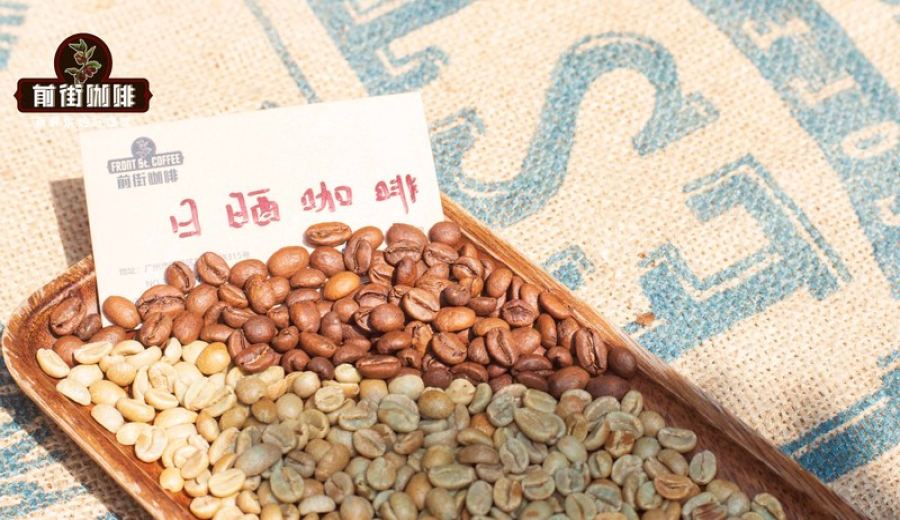
Introduction:Understanding how coffee beans change from the time they are roasted until they reach their optimal drinking window—and mastering each bean’s degassing characteristics and flavor release pace—can significantly enhance the quality of your pour over coffee. This article takes an in-depth look at resting times and ideal drinking periods for beans of different roast levels, along with practical brewing tips and storage advice to help you brew rich, layered coffee at home.
After undergoing high-temperature roasting, coffee beans form many tiny pores and accumulate large amounts of carbon dioxide. These gases gradually release after roasting, especially during the first few days when the process is particularly intense. If you brew pour over coffee right away, the bubbles may hinder even water penetration through the coffee grounds, resulting in uneven extraction and often producing astringent or off-flavors. Therefore, allowing the beans to rest for a period—known as the “resting period” or “aging period”—is the first step to ensuring optimal flavor expression.
The length of the resting period varies significantly depending on the roast level.Dark roast beans, due to their looser structure,release carbon dioxide more quickly, typically reaching a stable flavor stage within3 to 5 days after roasting,at which point sweetness and body become more pronounced. On the other hand,light roast beans retain more floral, fruity notes and bright acidity,with denser bean structure and slower degassing, often requiringat least 7 to 10 daysor even longer, for their aroma layers to gradually unfold and reach the best extraction state.
Most coffee packaging indicates the roast date rather than an expiration date. Knowing this information helps you plan when to open and brew the beans, ensuring every cup is enjoyed at the peak of its flavor.Generally speaking, the 2 to 4 weeks following the end of the resting period represent the time when coffee flavor is most stable and extraction performance is at its best.It’s recommended to choose small packages of around 200 grams based on your consumption frequency, opening them in batches to ensure each brew delivers fresh, full-flavored coffee.
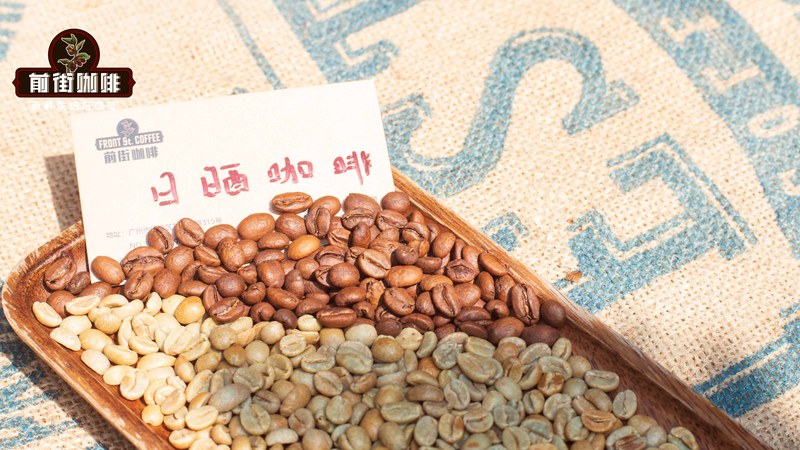
For example, take an Ethiopian Huila from a certain coffee brand—a natural-process light roast bean with intense aromas of strawberry, passionfruit, and tropical fruits. This bean is recommended for pour over brewing around8 days after roasting,to fully showcase its juicy, sweet taste. Suggested pour over parameters includea water temperature of 91°C,,15 grams of coffee grounds with 225 milliliters of hot water,using a three-stage pouring method: start by wetting the coffee bed with 30 milliliters of water andsteeping (blooming) for about 30 seconds,then pour in two more stages to complete the brew, keeping the total extraction time around2 minutes and 05 seconds.or so.
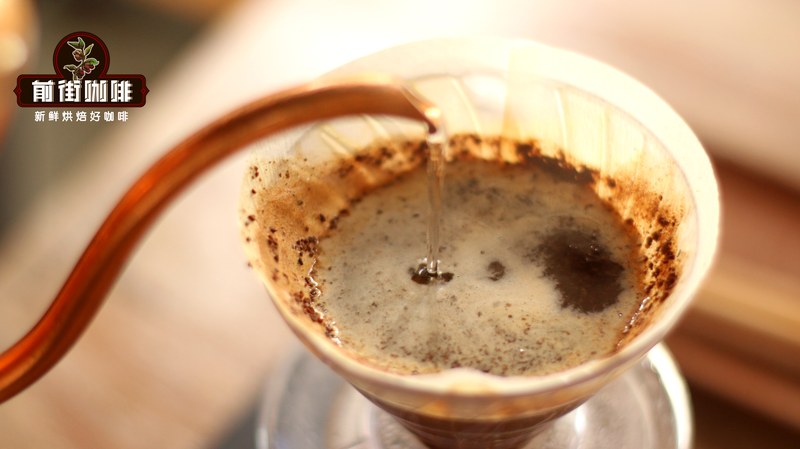
When coffee beans reach their ideal drinking phase, the blooming reaction during pouring will be more even and steady, with the coffee bed properly absorbing water and expanding, indicating that internal gases have been adequately released. At this point, water penetration resistance stabilizes, helping extract aromatic compounds evenly. Conversely, if the beans are brewed too soon after roasting, the blooming phase might feature vigorous bubbling; in such cases, it’s advisable to extend the blooming time, allowing the coffee bed to stabilize its degassing before proceeding with subsequent pouring steps.
For those who enjoy delicate floral and fruity notes, a certain brand’s Panamanian Emerald Estate Red Label Geisha is recommended to be rested for10 to 12 daysbefore brewing. This light roast bean is celebrated for its elegant jasmine, bergamot, and citrus aromas, with a soft black tea-like finish. For pour over, usea water temperature of 90°C,,16 grams of coffee grounds with 240 milliliters of water,employing a two-stage pouring method: begin by wetting andblooming for 35 seconds,then pour in a slow circular motion to complete the brew, keeping the total time around2 minutes and 15 seconds,to fully highlight its refined aromas and layered profile.
Another great everyday option is a certain brand’s Yirgacheffe Guddina, a washed-process light roast bean with bright citrus and red berry notes, plus a green-tea-like sweet finish. This bean is recommended for tasting around7 days after roasting,with suggested pour over parameters set at92°C water temperature, 15 grams of coffee, and 225 milliliters of water,using a three-stage pouring method, with a total extraction time of about1 minute and 55 seconds,delivering a bright and refreshing cup profile.
Proper storage of opened coffee beans is equally crucial. It’s recommended to use sealed bags with one-way degassing valves, which allow excess carbon dioxide to escape while preventing oxygen from entering and accelerating oxidation. After each use, remember to squeeze out excess air and seal the bag tightly. Store the beans in a cool, dry, and dark place, such as inside a cupboard, avoiding direct sunlight or proximity to heat sources. Long-term storage in the refrigerator is not advised, as temperature fluctuations can cause condensation, negatively affecting bean quality.
Additionally, as you near the end of the bag and residual gas decreases, the flow rate during the next brew may slightly increase. In such cases, consider adjusting the grind size about half a notch finer, or slightly increasing the water temperature by1 to 2°C,to maintain stable extraction efficiency, ensuring balanced and satisfying flavor from the first cup to the last.
In summary, understanding the degassing characteristics, resting needs, and ideal drinking windows of coffee beans—along with appropriate storage and brewing adjustments—can make your home pour over experience smoother and more refined. From patiently waiting for the beans to reach their prime, to carefully maintaining them after opening, every step influences the final cup’s aroma and complexity, allowing everyday coffee to showcase the distinctive flavors of its origin.
The above content is compiled by CoffeeHunters, a coffee news website.

