







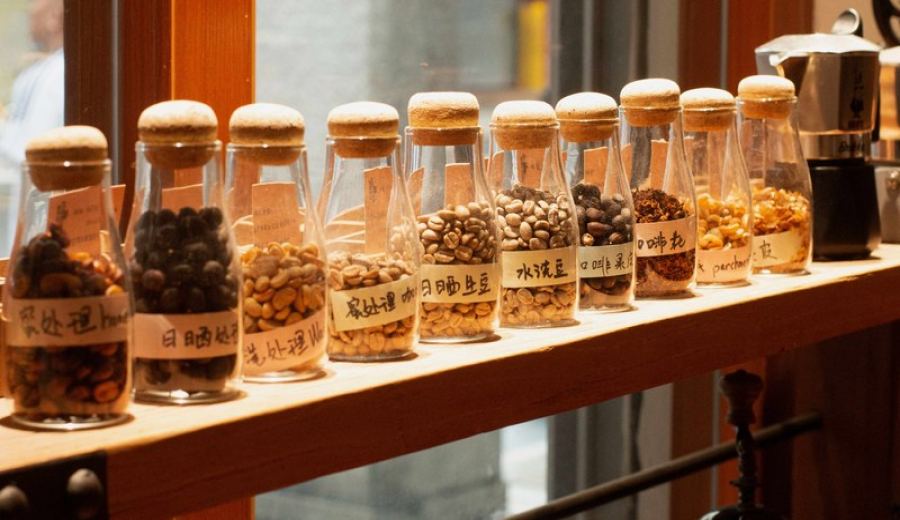
Introduction:Understanding the degassing cycle of espresso beans is key to mastering the extraction flavor and stability of your home coffee machine. This article delves into the evolution of bean condition from post-roast to opening, offering optimal resting times for different roast levels, the golden drinking window, as well as practical extraction and storage tips — helping you brew balanced and smooth espressos and milk coffees at home.
Freshly roasted coffee beans are full of active carbon dioxide. While these gases help form a delicate crema during extraction, during the peak degassing period, excessive bubbles can interfere with even water-to-ground contact, resulting in overly sharp or exaggerated flavors. Therefore, understanding the characteristics of coffee beans at different stages is essential for achieving consistently ideal flavors with home brewing equipment.
Generally speaking, medium to dark roast espresso beans are recommended to rest for about five to eight days after roasting — this period is known as “resting” or “aging.” During this time, carbon dioxide inside the beans is gradually released, and the gas emission rate stabilizes. As a result, water can more smoothly penetrate the coffee grounds during extraction, bringing out a richer caramel sweetness and a smoother mouthfeel structure.
The two to three weeks after opening are usually the golden stage when the flavor of the entire bag of beans is most vibrant. During this period, aromatic compounds are released just right, the crema layer is fine and glossy, and whether you're extracting a straight espresso or pairing it with steamed milk, the coffee's structure is clear and harmonious, giving each cup more depth.
If you prefer milk coffees with nutty and chocolatey profiles, you can choose a classic espresso blend. These types of beans typically reach an ideal extraction state after resting for about a week post-roast. Taking a common classic blend as an example, its flavor profile includes deep aromas of roasted nuts, cocoa, and caramel, along with a soft sweetness. When used in a home machine after proper degassing, it can produce a dense and velvety crema, which blends with milk to offer a smooth, hot cocoa-like mouthfeel.
When using a home machine to brew such blends, it’s recommended to use water at 92°C, grind 18 grams of coffee, and aim to extract 36 grams of espresso in about 27 seconds. If you’d rather enjoy a cleaner side of the blend via pour over, use water at 90°C, 15 grams of coffee, and a 1:15 coffee-to-water ratio to pour 225 ml of hot water. Use the three-pour method, with a total brew time of around 2 minutes and 5 seconds, to better appreciate the smooth and clean notes of caramel and nuts.

For coffee lovers who enjoy single-origin espresso and prefer softer acidity, it’s recommended to try a dark-roasted single-origin bean. For example, a classic bean variety from Brazil, when rested for seven to nine days post-roast, often showcases a balanced flavor of brown sugar, almonds, and mild fruit acidity, with a full and rounded mouthfeel. When brewed as an Americano, it delivers noticeable sweetness with soft acidity, free from any harshness, making it very enjoyable overall.
If you prefer to taste this bean variety via pour over, it is recommended to use water at 89°C, measure 15 grams of coffee, and pour 225 ml of hot water. A two-pour method is suggested: start with a 30-second bloom using 35 ml of water, then steadily pour until the total volume reaches 225 ml, completing the drip within 1 minute and 50 seconds. This approach allows you to more clearly perceive the almond aroma and long-lasting sweet aftertaste.
If you prefer a heavier body and lower acidity, dark-roasted Indonesian beans are an excellent choice. Indonesian Golden Mandheling, processed using the wet-hulled method, features distinct herbal notes and a high-purity dark chocolate profile. Due to its deeper roast level, the beans have more internal pores and a faster degassing rate, typically ready to open and use after just five days of roasting, offering a rich and bold cup experience.
When brewing such dark-roasted beans, it’s advisable to slightly lower the water temperature to reduce bitterness and burnt notes. For pour over, use water at 87°C, take 16 grams of coffee, and pour 240 ml of hot water using a single-pour slow-circle method centered on the grounds, keeping the total brew time around 1 minute and 45 seconds. This will extract a brew with deep cedarwood notes and the sweetness of dark chocolate, resulting in a thick and silky mouthfeel.
The key to maintaining the flavor of opened coffee beans lies in minimizing exposure to oxygen, light, moisture, and high temperatures. After each use, promptly squeeze out excess air from the bag and securely seal the zipper. Store the beans in a cool, dark cabinet. Under normal home usage, frequent refrigeration isn’t necessary — simply keeping them sealed at room temperature can effectively slow down flavor degradation.
Planning your coffee bean consumption rhythm is also important. Based on your daily drinking frequency, restocking new beans every two to four weeks ensures that each batch is enjoyed at its peak flavor stage. Arrange your roast dates and resting/opening schedules in order, so that every cup of coffee can showcase its captivating aroma and smooth taste.
The above content is compiled by CoffeeHunters, a coffee news website.

