







Introduction:To brew an espresso with the best possible flavor, mastering the freshness of the coffee beans is crucial. From the degassing period after roasting to the extraction performance during the optimal drinking window, every step affects the final flavor. This article will delve into how to determine the best time to use espresso beans, offering practical resting advice and storage methods to help you consistently extract coffee that is rich in aroma and layered in complexity.
During espresso extraction, the state of carbon dioxide inside the coffee beans is a key factor influencing flavor release. Freshly roasted beans contain a large amount of gas. If high-pressure extraction is performed immediately, the water flow can be obstructed by bubbles, leading to uneven extraction and off-flavors. Therefore, understanding the changes in bean freshness hinges on grasping the rhythm of gas release and the stabilization process of aromatic compounds.
The so-called resting period refers to the process where coffee beans, contained within packaging equipped with a one-way valve, naturally release excess carbon dioxide while allowing oils and aromatic substances to fully integrate. Generally speaking, dark roast beans, due to their looser cell structure, degas more quickly and typically enter a stable phase around seven to ten days after roasting. In contrast, medium or medium-light roast beans, being denser in texture with smaller pores, usually require ten to fourteen days to exhibit clear aromas and a balanced, gentle acidity and sweetness.
Take, for example, a specialty bean with fruity and sweet notes. If roasted to a moderate degree, letting it rest for about two weeks before grinding and extracting will make its rich strawberry taffy-like aroma and berry sweetness even more pronounced. When making espresso, it’s recommended to use 18 grams of coffee grounds, with water temperature controlled at 93°C. By employing a single, steady extraction to yield 36 grams of coffee liquid in 27 seconds, not only will a full-bodied juiciness be presented, but even when made into an iced americano, a light and bright sweet flavor can still be enjoyed.(Corresponding image location: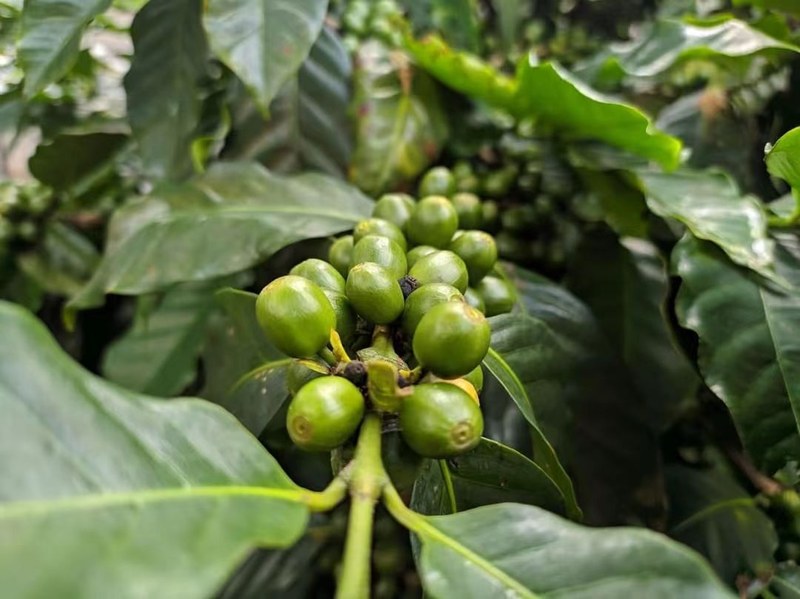 )
The optimal drinking window of coffee beans refers to the period when their flavors are fully developed and remain stable. For most espresso beans, starting from the second week after the resting period ends until about forty days post-roasting, it is a stage where both aroma and crema perform exceptionally well. At this time, the internal pressure of the beans is moderate, the ground coffee is less prone to clumping, and when hot water under high pressure passes through the coffee bed, it can form a fine and thick layer of golden crema, which helps enhance the overall texture of the espresso.
If you prefer a robust and warm base note such as nuts and cocoa, medium-roasted beans often provide a more drinkable experience. For instance, a medium-roasted bean, after sufficient resting, will have softened acidity, with caramel and roasted nut flavors blending harmoniously. If you wish to enjoy it via pour over, it is recommended to use 15 grams of coffee grounds with 90°C hot water, following a three-stage pouring method: first pour 30 ml of hot water and bloom for 30 seconds, then steadily pour 100 ml, wait for the liquid level to drop, then pour another 95 ml, reaching a total water volume of 225 ml, with the overall extraction time controlled at 2 minutes and 10 seconds. This approach yields a round and full-bodied mouthfeel.(Corresponding image location: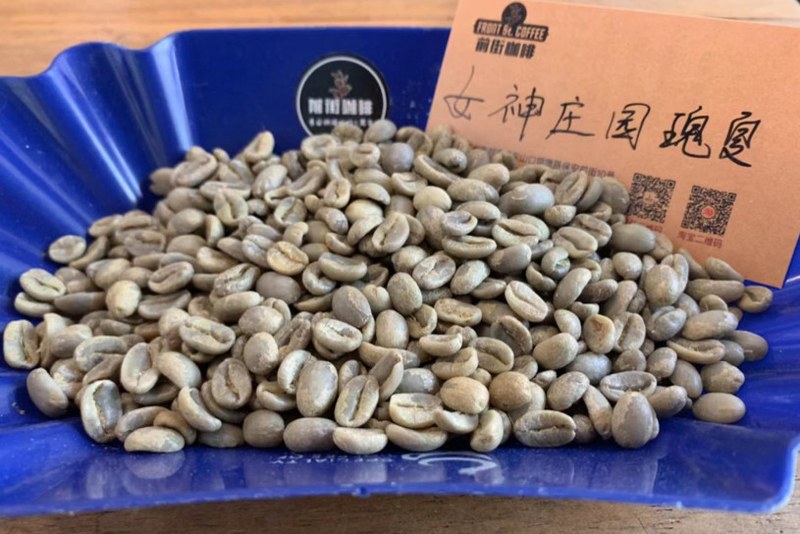 )
The resting rhythm of dark roast beans is generally a bit faster. Take a dark roast bean, for example, whose bold roasting style imparts black chocolate and herbal aromas. Typically, resting for about seven days is enough to showcase its solid layers of flavor. If using a French press for immersion brewing, it is recommended to use 20 grams of coffee grounds, ground to a coarse sugar-like consistency, and pour in 300 ml of 91°C hot water. Use a single pour to fill the Press directly, steep for 3 minutes and 30 seconds, then press down the filter. You can enjoy a rich, smooth finish with low acidity.
Once coffee beans are opened, they accelerate contact with oxygen and moisture in the air, significantly increasing oxidation. To lock in aroma during the optimal window, it’s advised to expel excess air from the bag as soon as it’s opened and tightly reseal it using the built-in seal strip or clip. If you frequently use the beans, you may also portion out the amount needed for the next three to five days into an opaque, one-way valve sealed container to reduce repeated exposure of the entire bag to outside air, helping maintain flavor stability.
The storage environment is equally critical, and should follow the principles of avoiding light, keeping cool, staying dry, and remaining free of odors. It is not recommended to store opened bean bags in a regular refrigerator, as the refrigerated environment has higher humidity, and frequent access can cause condensation on the bean surface, accelerating flavor loss and oil deterioration. Storing the bean bag in a cool, dark cabinet at room temperature is a better way to ensure that your espresso beans maintain stable extraction performance throughout their optimal window.
Lastly, planning your purchase and consumption rhythm is also a practical strategy to keep coffee flavors fresh. You can decide the purchase quantity based on the number of cups consumed daily by your household members. For example, if one person drinks one espresso or milk coffee per day, roughly 250 grams of coffee beans are consumed monthly. Choosing to buy a bag of freshly roasted beans on a monthly or bi-monthly basis is appropriate. After receiving new beans, let them rest in their original packaging. By the time the previous bag is used up, the new beans will have just entered their peak flavor period, thus creating a continuous and enjoyable daily coffee experience.
The above content is compiled by CoffeeHunters, a coffee news website.

