







Introduction:To enjoy the most captivating floral and citrus notes of Yirgacheffe, it’s not just about choosing the right origin and roast level — you also need to grasp its “flavor window.” This article will guide you through the changes in Yirgacheffe from the time it’s roasted to when it reaches its peak drinking period. You’ll learn how to select freshly roasted beans, judge the ideal rest period, and by observing and recording your experience, find your own optimal brewing timing. This way, every pour over reveals bright acidity balanced with tea-like smoothness.
The memorable floral, citrus, and tea-like qualities of a great cup of Yirgacheffe come not only from the terroir and roast method, but are also closely tied to the time elapsed since the beans left the roaster. Many assume that “the fresher, the better,” but beans right out of the roaster aren’t necessarily ready for immediate brewing — using them too soon can lead to chaotic aromas, while waiting too long may cause bright fruit acids and clear layers to fade gradually. Therefore, when selecting Yirgacheffe, rather than focusing solely on the origin printed on the package,checking the roast date and planning your consumption schedule after receiving the beansis a more crucial step.
When buying Yirgacheffe, it’s recommended to prioritize the roaster’s official website, brand flagship stores, or specialty cafés that provide detailed batch information. These sources usually clearly indicate the roast date, bean variety, processing method, and suggested flavor profile — some even note the shipping date. If purchasing through an e-commerce platform, carefully check whether the date shown is the “roast date,” “packaging date,” or “listing date” — the actual day the beans were roasted is what truly affects flavor.
Although choosing a recently roasted batch offers convenience, it’s not necessary to insist on beans that have just been roasted. Common light or medium-light roasts for Yirgacheffe continue to release carbon dioxide internally after roasting. Brewing too early can result in overly sharp acidity, unstable aromas, and underdeveloped sweetness. If you plan to taste them shortly after arrival, consider batches that have been out of the roaster for a few days; if you’re willing to wait a bit, you can choose freshly roasted beans and arrange an appropriate resting period to let the flavors mature.
The so-called “resting” or “degassing” period refers to the process where coffee beans transition from the intense gas-releasing phase right after roasting to a state where flavors are harmonious and layers become distinct. For most Yirgacheffe pour over beans, it generallytakes about seven to fourteen days to enter the drinkable window; for lighter roasts, denser beans, or naturally processed batches, it may sometimes take ten to twenty days to show their best flavors. This timeframe isn’t absolute — roast level, packaging method, and storage environment all play a role. You might start tasting from the seventh day, then sample again every two or three days to observe how the flavors evolve.
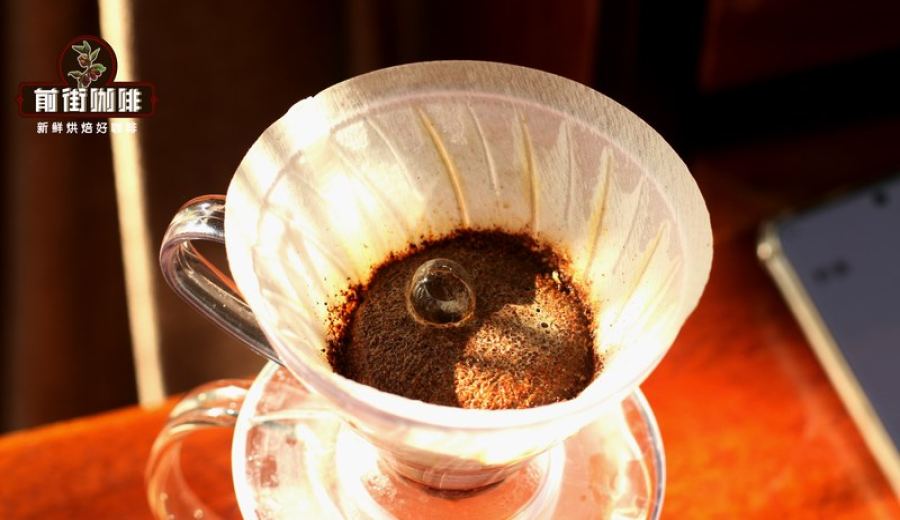
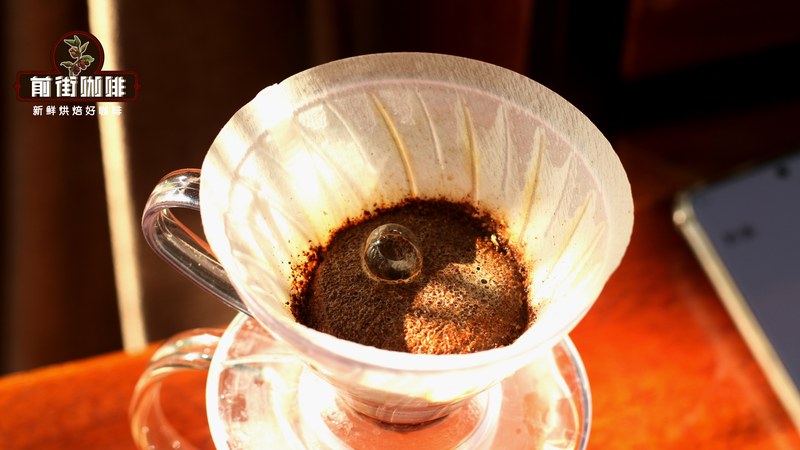
Judging whether coffee beans have reached their ideal drinking stage shouldn’t rely solely on dates. During brewing, if you notice the water flow being visibly pushed up by internal gases, the coffee bed continuously bubbling, and a sharp, raw acidity upon tasting, it usually means the beans haven’t fully stabilized yet — it’s best to let them rest a few more days. When the aroma shifts from thin fermentation notes to something more focused and defined, the acidity becomes smoother, and a clear sweetness lingers on the palate after swallowing, that’s often when you’ve reached a more comfortable drinking stage. Record each brew’s date, coffee-to-water ratio, and taste changes — after a few trials, you’ll be able to identify your own personal “flavor window.”
Taking a common Yirgacheffe flavor profile as an example, some batches may first display bright citrus notes in the early rest stage, and over time, the sweet aroma of ripe apricots or peaches along with an oolong tea-like finish will become more cohesive. These lighter-bodied beans are not only suitable for pour over, but you can also taste them over several days to observe how temperature variations affect aroma and sweetness: pay attention to the aroma when hot, and notice whether the sweetness becomes more concentrated as it cools slightly. This helps you more intuitively understand the bean’s transitional states.
If you prefer beans with intense aromas that are perfect for savoring and comparing, consider adding the famous Granja La Esperanza Geisha from a well-known roastery to your shopping list. This bean often carries associations of orange blossom and tropical fruits, with a sweetness akin to sun-dried fruit jam. It’s recommended to enjoy it after the resting period using a pour over with fractional extraction — brew it several times using the same parameters, and observe the evolution from initial aromas to later sweetness. There’s no need to rush and drink it all at once, as this allows you to better appreciate the depth of its layered flavors.
The amount you purchase also affects the beans’ freshness. If you only drink two or three cups per week, it’s advisable to start with small packages of 100g or 150g; for daily drinkers, consider 200g to 300g. Buying too much at once may result in the first half of the bag still being at peak flavor, while the second half has already passed its prime. Choosing suppliers that offer small-size packages, staggered shipments, or subscription services can help better align the beans’ freshness with your drinking rhythm.
Proper storage after opening is also crucial. It’s recommended to keep the coffee beans in a dark, dry place with minimal temperature fluctuations, preserving the original packaging’s one-way degassing valve, and after squeezing out excess air, seal the bag. The beans should remain whole until you’re ready to brew — ground coffee has a much larger surface area exposed to air, causing aroma to dissipate significantly faster. Locations such as near the kitchen stove, by windows, or on a damp refrigerator door are not suitable for long-term storage.
If you plan to finish a bag within a month, sealing the original packaging and keeping it in a cupboard is sufficient — try to use it within two to four weeks after opening. For larger purchases, divide the beans into weekly portions and store them in sealed bags in the freezer. Once you take out a bag, avoid repeated thawing; wait until it returns to room temperature and the package shows no condensation before opening and grinding. Compared to refrigeration, which risks absorbing odors and causing condensation, stable, sealed, and dark storage is more ideal.
When enjoying Yirgacheffe, you might label the roast date on the package or storage container, and record your brewing impressions every few days. In the beginning, focus on aroma performance; in the middle stage, observe whether the acidity and sweetness are well-balanced; in the later stage, check if the tea-like quality, fruit notes, and overall clarity remain vivid. Through this method of selection and record-keeping, you’re not just choosing beans from some magic date — you’re opting for high-quality coffee with transparent information, perfectly aligned with your drinking rhythm, ensuring every cup falls right within your favorite flavor stage.
The above content is compiled by CoffeeHunters, a coffee news website.

