







Introduction:Yirgacheffe is renowned for its floral notes, citrus tones, and tea-like mouthfeel—but these characteristics aren’t set in stone. From roasting to brewing, coffee beans undergo processes such as degassing, aroma release, and flavor transformation. Understanding this “flavor clock” can help you assess the beans’ condition, determine their optimal drinking window, and even identify authenticity. This article will guide you through interpreting freshness and suitability for pour over by examining factors such as roast date, resting time, brewing changes, and storage essentials.
When it comes to Yirgacheffe, many people immediately think of bright citrus notes, delicate florals, and a unique tea-like quality. However, these flavor profiles aren’t rigid—they evolve over time and vary with processing methods. From the moment roasting is complete, coffee beans begin releasing carbon dioxide, showcasing aromas, and gradually entering phases of peak flavor and decline. Grasping this “flavor clock” not only helps us determine whether a bag of beans is in its prime drinking state but also serves as a key reference for identifying origin and authenticity.
When selecting Yirgacheffe, it’s advisable to first check the packaging for the “roast date” rather than relying solely on marketing phrases like “freshly roasted.” A comprehensive label should include: origin (e.g., Ethiopia), growing region (e.g., Yirgacheffe), processing station or cooperative name, processing method (natural or washed), roast level (usually light to light-medium), as well as grade or batch number. The more detailed the origin information, the easier it is to connect the actual flavors with your expectations; conversely, if the packaging only generically states “Yirgacheffe” without specific dates or batch details, assessing the beans’ condition becomes significantly more challenging.
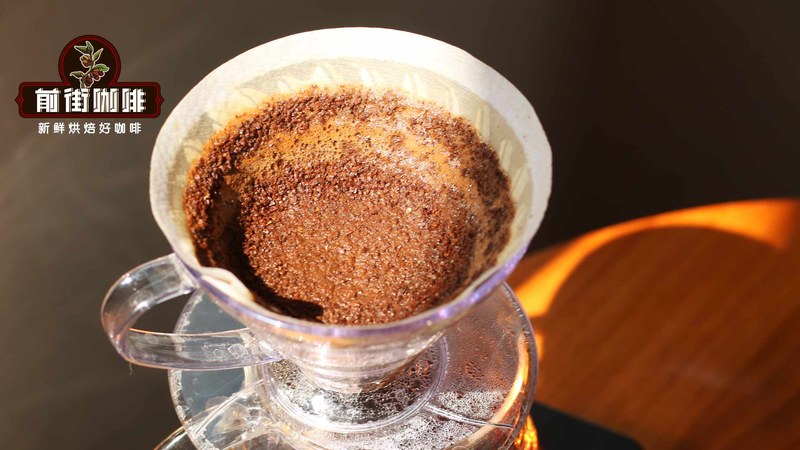
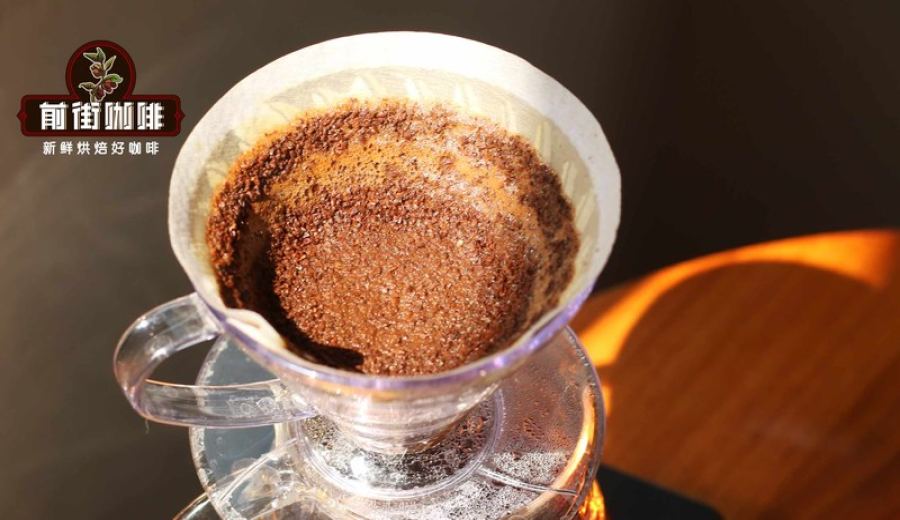
It’s worth noting that the notion “the fresher the roast, the better” isn’t entirely accurate. Freshly roasted beans are still saturated with carbon dioxide, and brewing them immediately may prevent water from evenly penetrating the coffee grounds, thereby affecting extraction. In such cases, you might experience erratic aromas, overly sharp acidity, or underdeveloped sweetness. Especially for light-roasted Yirgacheffe, it’s recommended to let the beans rest for about 3 to 7 days after roasting to allow proper “degassing.” This period is known as the “resting phase.” The goal of resting isn’t to wait for a fixed date, but to allow the flavors to transition from an initially more volatile stage to a more balanced and harmonious state.
For pour over enthusiasts, the observation window for light-roasted Yirgacheffe can typically start between 5 to 10 days post-roast. If the beans are processed using the natural method or come from a batch with a denser structure, a longer stabilization period may be needed. If you still notice pronounced bubbling sensations or fluctuating aromas during brewing, consider waiting another day or two before trying again. The true optimal drinking period isn’t a one-size-fits-all deadline—in general, within 2 to 6 weeks after roasting, light-roasted Yirgacheffe often still exhibits clear florals, bright fruit acidity, and a light tea-like feel. However, actual performance can be influenced by roast techniques, the barrier properties of the packaging material, and storage conditions (such as temperature and humidity). Beyond this timeframe, aroma layers may gradually diminish, and the sweetness and aftertaste may not be as vivid as during peak.
Observing how a coffee evolves over time offers deeper insight into its potential and character than simply tasting a single cup. When Yirgacheffe reaches its ideal drinking stage, you might first notice a refreshing citrus zest-like acidity, subtle white flower notes, or a faint tea-like finish; as time progresses, the acidity may soften, sweetness may become more pronounced; if stored for too long, the aroma may noticeably weaken, the mouthfeel may turn hollow, or even a papery dryness may emerge toward the finish. Consistent and coherent flavor transitions often reveal more about the beans’ true nature than any single dominant flavor descriptor.
For example, a certain brand’s “Kaffa Forest” batch, when in prime condition, can showcase a bright acidity reminiscent of oranges, seamlessly flowing into the sweet juiciness of ripe apricots. Once cooled, you might even detect an aftertaste similar to oolong tea—making it highly suitable for a pour over experience enjoyed in stages—try a sip right after pouring, another after cooling slightly, and one more near room temperature. This approach helps you assess whether the aromas unfold naturally and assists in developing a tangible sense of what constitutes “vibrant flavor.” Another example, “Kenyan Cherry Tomato,” presents a distinctly different personality: the vivid acidity of cherry tomatoes, the unique scent of black plums, and the mellow sweetness of brown sugar are all clearly layered. It’s ideal for those who enjoy a juicy mouthfeel and a crisp finish. If a cup of Yirgacheffe features only intense acidity without sufficient sweetness or the multi-layered flavors that evolve with temperature changes, the issue may lie with the beans’ condition or brewing method—not the inherent characteristics of Yirgacheffe itself.
How you store the coffee after opening also greatly impacts your perception of its flavor. It’s recommended to keep whole beans in a lightproof, airtight, and dry container, placed in a cabinet with minimal temperature fluctuations, away from heat sources, direct sunlight, and strongly scented items like spices. Seal the container promptly after each use to avoid repeated exposure to moisture and air. For home use, purchase quantities based on your expected consumption over two to three weeks—smaller packages help maintain flavor consistency. For longer-term storage, divide the beans into single-use portions, seal them tightly, and place them in the freezer. Allow the package to return to room temperature before opening to prevent condensation from damaging the beans’ quality. Each time you brew, record the roast date, opening date, and your actual cupping impressions. After a few rounds, you’ll be able to establish your own set of judgment criteria.
In summary, to discern the authenticity and quality of Yirgacheffe, don’t rely solely on marketing buzzwords on the packaging. Instead, analyze the packaging information, roast date, resting process, flavor performance at various temperatures, and the decline after opening as part of an integrated observation framework. The beans that are truly right for you shouldn’t only shine with exceptional aroma on a single day—but should demonstrate consistent, clear, and memorable flavor profiles throughout a reasonable drinking window. Only then can the name of the origin truly reflect a genuine, sensory-rich, and satisfying coffee experience.
The above content is compiled by CoffeeHunters, a coffee news website.

