







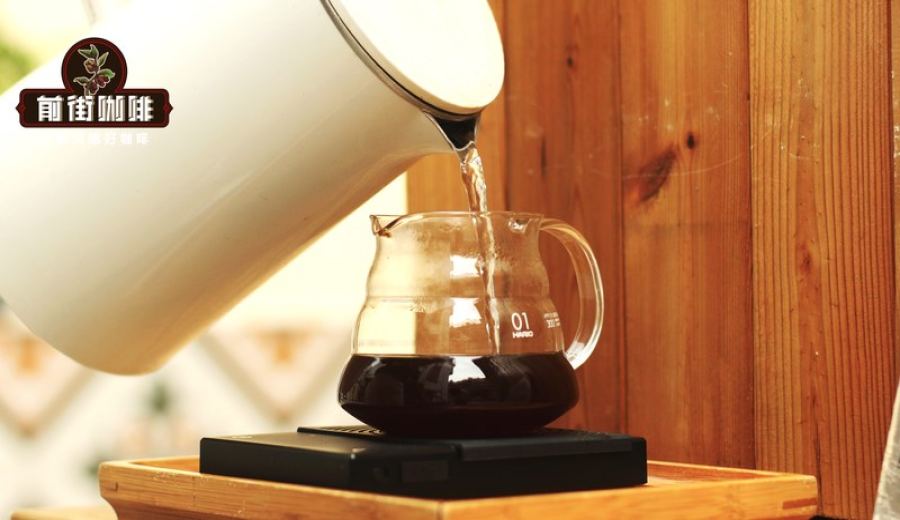
Introduction:Freshly roasted Yirgacheffe coffee beans are actually still in their "maturation period." This article will guide you through the flavor transformation of Yirgacheffe after opening the bag, teaching you how to grasp the optimal drinking timeline — from helping beginners to discerning the subtle differences in floral and fruity profiles. Whether you're a pour over enthusiast or just starting out, you’ll find your own flavor window here.
When selecting Yirgacheffe coffee beans, the roast date is often more noteworthy than the flashy flavor descriptions on the packaging. While freshly roasted beans may have an intense aroma, they are still full of carbon dioxide inside. Brewing them right away may lead to unstable water flow, aroma dissipation, or even sharp acidity. It’s recommended to let the beans rest for several days to allow natural degassing, after which the floral notes, citrus tones, and sweetness will gradually emerge, resulting in a smoother and more balanced cup.
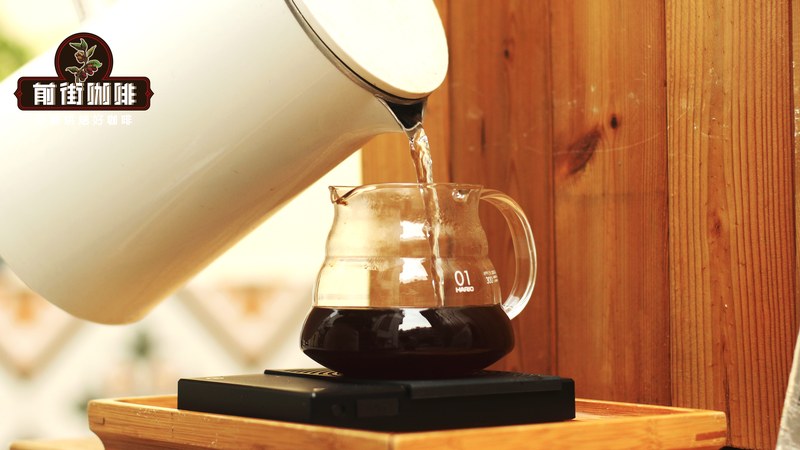
The so-called "resting" or "maturing" process is actually about allowing the coffee beans to release residual carbon dioxide and achieve internal flavor balance. The required duration varies depending on the roast level and processing method. Light-roasted Yirgacheffe with prominent fruity notes typically needs a few more days than dark roasts, and naturally processed beans often show more dynamic aroma development compared to washed ones. Beginners shouldn’t fixate on fixed days — try tasting as you go and keep notes to find your personal optimal timing.
If the packaging indicates a roast date, it’s generally recommended to start sampling on day 5 to 7. By this time, the beans will have released some gas, leading to more stable brewing performance than right after opening the bag, though the aroma is still developing. For lighter-roasted Yirgacheffe, it's best to formally evaluate its flavors starting on day 7, with floral and fruit tones usually becoming more harmonious around day 10 to 14. If you still find the taste noticeably sharp, wait another 2 to 3 days before trying again.
Take the popular Ethiopian Huila Konga (often referred to as “Huikong”) as an example: in the early days after opening the bag, tropical fruit and berry aromas may be quite bold, and the latter part of the brew may occasionally carry a slightly raw sensation. After resting for about a week, the layers of aroma will gradually unfold, and the sweetness will become more consistent. When pour over brewing, try tasting the hot version first, then wait for the coffee to cool and compare the flavor changes — this can help you better understand the bean’s full potential.
It’s recommended to buy an initial quantity of 100 to 150 grams to easily observe the bean's performance at different stages. If you brew one cup per day, set aside samples for day 7, day 10, and day 14 after opening the bag to compare changes in aroma, acidity, and aftertaste. If you prefer bright fruity notes, choose pour over or iced pour over during the most vibrant stage. If you want a softer taste, wait a few more days and try cold brew instead.
Another great entry-level Yirgacheffe option is Kafa Forest. This bean often carries sweet aromas reminiscent of orange and ripe apricot, with an aftertaste that hints at the finish of oolong tea — the sweetness becomes especially noticeable after cooling. It’s recommended to start trying it from day 5 after opening, and sample again between day 8 and 12. You’ll typically notice the aroma shifting from initially sharp to rounded over time.
The so-called "best-by" or "flavor peak" period is actually a range of time during which the flavor performance is relatively ideal, not an absolute expiration date. As long as the beans are stored properly — without moisture, mold, or rancid odors — they can still be consumed even after two weeks, though the layers of aroma may gradually diminish. Beginners can evaluate the beans from three aspects: whether the aroma is fresh, whether the taste is smooth upon drinking, and whether there’s a lingering aftertaste and sweetness after swallowing.
For storage, before opening the bag, keep the beans in a cool, dry, and dark place, away from heat sources such as stoves, windows, or sinks. If the original packaging has a one-way degassing valve, you can continue using it. After opening, try to squeeze out excess air and seal the bag tightly. If switching to a sealed jar, choose a container whose capacity closely matches the amount of beans to minimize trapped air. Be especially mindful that coffee beans are sensitive to high temperatures and should not be exposed to humid environments frequently.
If you plan to consume the beans within one to two weeks, room-temperature sealed storage is sufficient. Avoid frequently opening the refrigerator to take out beans just to extend shelf life, as moisture and food odors inside the fridge can affect bean quality. If you purchase a larger quantity at once, divide it into portions according to your usage, squeeze out air as much as possible, and store in the fridge or freezer. Before opening, allow the portioned bag to return to room temperature and ensure no condensation forms before unsealing, to prevent moisture from attaching to the bean surface due to temperature difference.
When purchasing, prioritize products with clearly marked roast dates, intact packaging, and equipped with a degassing valve. Decide the quantity based on your personal consumption frequency. For those who drink one cup per day, a 150-gram package is easier to finish during the peak flavor period. If you drink less frequently, opt for smaller packages to reduce the waiting time after opening. Record the opening date, and try brewing every few days to gradually identify the flavor profile timing you enjoy the most.
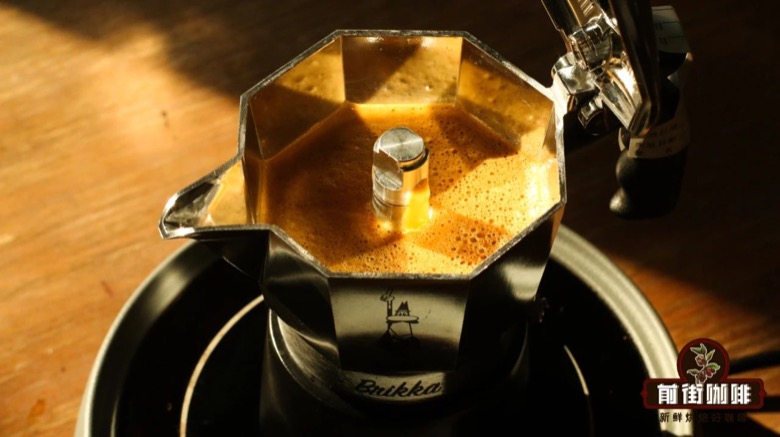
Learning to taste Yirgacheffe is not just about picking fruity and floral aromas — it’s a journey of getting to know the beans and understanding their maturation rhythm. It’s recommended to simply log the purchase date, roast date, and your impressions after each brew. In the future, you’ll be able to more accurately determine when to open the bag, how much to buy, and whether to enjoy it as a hot or cold drink. This way, not only will your bean selection become more confident, but the flavor of each cup will also be more consistently presented.
The above content is compiled by CoffeeHunters, a coffee news website.

