







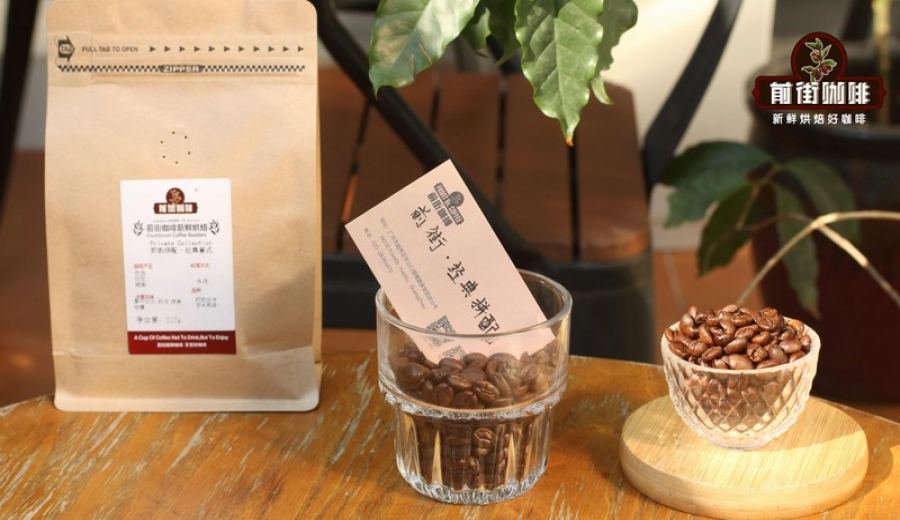
Introduction:To fully experience the allure of coffee flavors featuring nuts, cocoa, and caramel, it’s not just about choosing the right roast level — you also need to master the key timing from opening the bag to drinking. This article takes you deep into the principles of gas release during the degassing period, how different roast levels influence flavor expression, and offers practical advice to help you find the optimal drinking window for each nutty, cocoa-flavored bean based on your brewing method and equipment. That way, every cup can achieve the ideal balance.
Flavor profiles such as nuts, cocoa, and caramel are often classic expressions of medium to dark roasted coffee beans, but their charm lies not only in the roast curve or label — it's also about when you start tasting them. Brewing beans right after opening the bag may lead to locked aromas, unstable acidity, or even inconsistent extraction due to incomplete degassing. But if left too long, the originally rich sweetness and full body may gradually fade. Understanding the golden timing from opening to drinking is key to consistently extracting satisfying cup results.
The so-called "resting" or "degassing" period refers to the natural process where coffee beans continue to release carbon dioxide after roasting. Brewing during this time can not only hinder full aroma release but also lead to uneven extraction. As time passes, the internal gases are gradually released, allowing water to more smoothly penetrate the coffee grounds. This leads to improved harmony in sweetness, mouthfeel, and aftertaste, resulting in a more complete and balanced overall flavor.
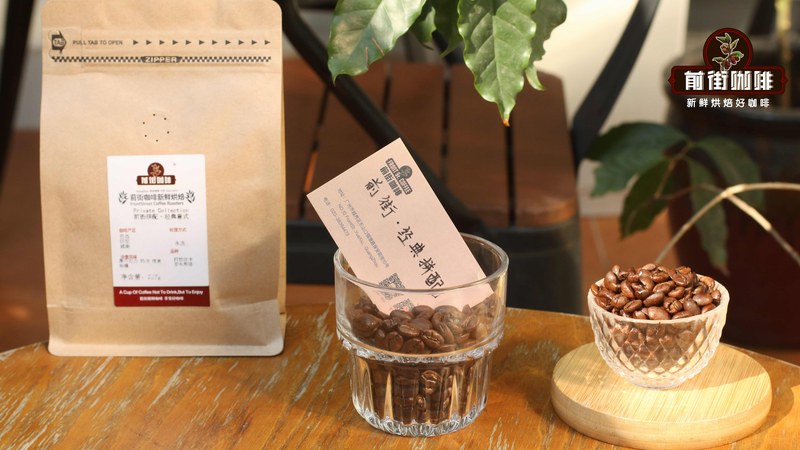
The commonly referred to “best-before” or “optimal flavor window” doesn’t mean the beans are no longer drinkable after a certain date, but rather indicates the period when the flavor characteristics are at their fullest and most harmonious. The length of this period is influenced by multiple factors, including roast degree, the beans’ inherent density, and packaging methods. Generally speaking, medium to dark roasted beans with nutty, cocoa flavors can reach a smooth and easy-drinking state more quickly than highly volatile, fruity or floral light roasts — though actual judgment should still be made based on the roast date.
When purchasing, in addition to confirming the roast date, also check whether the packaging is well sealed. For most medium to medium-dark roasted beans brewed via pour over, it’s recommended to start trying them around 5 to 10 days after roasting. For medium-dark to dark roasted, nutty-cocoa beans, a smoother profile often emerges after about a week. If you mainly use an espresso machine, consider letting the beans rest a few more days to allow the bubbly sensation and sharp acidity in espresso to mellow, which helps enhance overall flavor roundness. Clearly understanding these timing points will help you plan your coffee drinking schedule more precisely.
If you’d like to observe the full progression from opening the bag to peak flavor, consider a well-known brand’s offering: “Brazilian Queen Estate.” This bean features distinct peanut, cocoa, and caramel sweetness, with mild acidity that doesn’t overpower. At first taste, the mouthfeel may seem a bit lively, but within just a few days, the overall profile becomes rounder. Pour over highlights its gentle sweetness, while using a moka pot emphasizes its rich cocoa character. For espresso extraction, it’s excellent for making Americanos or milk-based coffee drinks.
If you prefer deeper, more intense nut and cocoa notes, keep an eye out for a renowned brand’s “PWN Indonesian Golden Mandheling.” This bean carries a unique herbal undertone, a bittersweet interplay reminiscent of dark chocolate, along with a relatively full mouthfeel and light acidity. It’s recommended to start with Americano or moka pot brewing in the early days. Once the initial heavy aroma transitions to a clearer, brighter profile, you can then try shortening the brew time or adding milk — the overall flavor will become more cohesive and layered.
During the resting phase, there’s no need to frequently adjust brewing parameters. It’s advised to maintain a consistent coffee-to-water ratio, and try brewing every one to two days, focusing on observing three changes: whether the aroma transitions from strong roasty notes to a gentler, nutty-cocoa tone; whether the initial sharpness on the palate softens into smoother textures; and whether the sweetness lingers noticeably after drinking. These real sensory experiences are often more useful than the flavor descriptions on the package and can help you identify your own ideal drinking time.
Proper storage after opening is equally critical. The best practice is to keep the coffee beans in their original packaging, which typically includes a one-way degassing valve that effectively releases excess gases while preventing oxygen from entering. After gently pressing out any extra air in the bag, seal it tightly and store it in a cool, dry, and dark place. Be aware that the humidity and food odors in the fridge can affect bean quality, and temperature fluctuations near stoves or balconies are also detrimental to flavor preservation. When taking beans out, do so quickly to minimize the time the package is exposed to air.
Additionally, the size of the packaging you purchase can also impact flavor preservation efficiency. If you only drink one cup of coffee per day, opt for smaller packages to ensure you finish them during the beans’ peak flavor period. Conversely, if you consume coffee more quickly, larger packages may be suitable, but it’s recommended to only keep the amount you’ll use soon at room temperature, while storing the rest in sealed, portioned bags. For long-term storage, unopened small packages can be placed in the freezer, but be sure to let them and their packaging return to room temperature before use to prevent condensation on the beans that could affect extraction quality.
As the coffee beans approach the end of their optimal flavor window, the nutty and cocoa notes may not disappear immediately, but the aroma usually weakens first, and the duration of sweetness and aftertaste shortens. Extraction speed may also increase. It’s suggested to slightly adjust the grind to a finer setting or reduce the brew water volume to enhance concentration and flavor intensity. If you still hope to maintain a softer mouthfeel, medium-dark roasted beans like Brazilian Queen Estate — with their stronger flavor base — can handle the challenges of the flavor window’s final stage more gracefully compared to more delicate, aromatic light roasts.
In summary, choosing a coffee bean with nutty and cocoa flavors isn’t just about paying attention to roast style and flavor descriptions. It’s also advisable to factor in the roast date, your daily consumption rate, and the brewing equipment you use. It’s recommended to allow a few days of resting time after purchase, aim to finish the beans within a few weeks of opening, and adjust your brewing strategy as the quantity decreases. In doing so, you’re not just selecting a single flavor label — you’re choosing a specialty coffee bean that, at its optimal stage, continues to deliver a smooth sweetness and rich layers of flavor.
The above content is compiled by CoffeeHunters, a coffee news website.

