








Introduction:Do you enjoy coffees with nutty and chocolatey profiles, but often find that the same bag of beans tastes different at different times? This is actually closely related to the "resting period" after roasting. This article will take an in-depth look at the flavor changes of nutty and chocolatey coffees at various stages, teaching you how to determine the best time to drink them after opening the bag, proper storage techniques, and how to find your own optimal flavor window by observing aroma, sweetness, and aftertaste.
Coffees with nutty, cocoa, and caramel flavors are always popular due to their rich sweetness and mild acidity. Whether it's hot Americano, milk coffee, or brewing with a moka pot, they can all showcase captivating layers. However, the aroma, body, and finish of such coffee beans often change noticeably over time after roasting. Therefore, when selecting, besides referring to the flavor descriptions, it's also important to pay attention to the roast date and carefully plan the overall rhythm from opening the bag to drinking.
To determine whether a coffee is in its best condition,the roast date is more useful as a reference than the expiration date on the package. The expiration date only indicates the safe storage duration under specific conditions, while the coffee’s “optimal flavor window” refers to the period when aroma, sweetness, and mouthfeel are all at their peak. A special reminder: freshly roasted beans are not suitable for immediate brewing, as they are still full of carbon dioxide. Without proper degassing, not only can it affect extraction, but it may also produce unpleasant odors.

This process of letting beans naturally release gases is what we call “resting.” Resting isn’t just about waiting—it’s about allowing the coffee to reach a stage where its true flavors can shine. If degassing is insufficient, the hot water during brewing can be obstructed, leading to overly prominent acidity, dissipated aroma, or even uneven blooming of the coffee grounds. After a few days of appropriate resting, moisture and heat can properly penetrate the core of the beans, making the nutty and chocolatey profiles more cohesive and balanced.
Different roast levels also result in varying resting and optimal drinking times.Light-roasted beans are recommended to be tried around ten days after roasting, usually performing more stably after two to three weeks;Medium-roasted beans can be preliminarily sampled about a week after roasting, often becoming more rounded and smooth by the second week;Dark-roasted beans, due to faster degassing, are generally ready to taste after five to seven days. However, these timings are for reference only—the actual situation can also be affected by bean density, whether the packaging has a one-way valve, and the roasting technique.
If you want to explore representative examples of nutty and chocolatey flavors, consider those with dark chocolate notes and low acidity. For instance, some Indonesian Golden Mandheling beans often carry herbal aromas and a rich, bittersweet dark chocolate taste, with a relatively full body. In the first few days after roasting, such beans may exhibit smoky or dry sensations. It’s recommended to let them rest for about a week before brewing with a moka pot or as hot Americano—the texture will then become more mellow. When paired with milk, the continuation of chocolate flavors can also be more noticeable.
To judge whether a particular coffee has reached a stage that suits you, it’s advisable toconduct consecutive daily tastings over several days, rather than drawing conclusions based on a single day’s experience. For example, record the aroma performance on the seventh day after roasting, observe sweetness changes on the tenth day, and then taste its aftertaste again every two or three days. If you notice the aroma shifting from dull to clear, the initial sharpness on the palate decreasing, and the aftertaste becoming richer, it indicates the coffee is entering a more ideal drinking range. Conversely, if the flavors gradually become bland, you might consider speeding up your drinking pace.
The amount purchased also affects the freshness of the coffee. If you usually brew just one cup per day, opt for smaller packages to ensure you can finish them within two to three weeks after opening. For family or office use with multiple people, larger packages can be considered. When selecting, prioritize packaging with a one-way degassing valve and good sealing design, and pay attention to the roast date. Upon receiving the beans, don’t rush to open the bag—follow the suggested resting days before using them.
How you store the coffee after opening is equally important. Whole beans should be kept in a cool, dry, and light-proof environment. After each use, try to squeeze out any excess air from the bag before sealing it again. It’s important to note that transparent containers, cabinets near the stove, and the fridge door area are not suitable for long-term storage, as light, temperature fluctuations, and humidity can accelerate flavor loss. Only open the bag for the amount you need each time, and weigh the beans right before grinding to reduce repeated exposure to air.
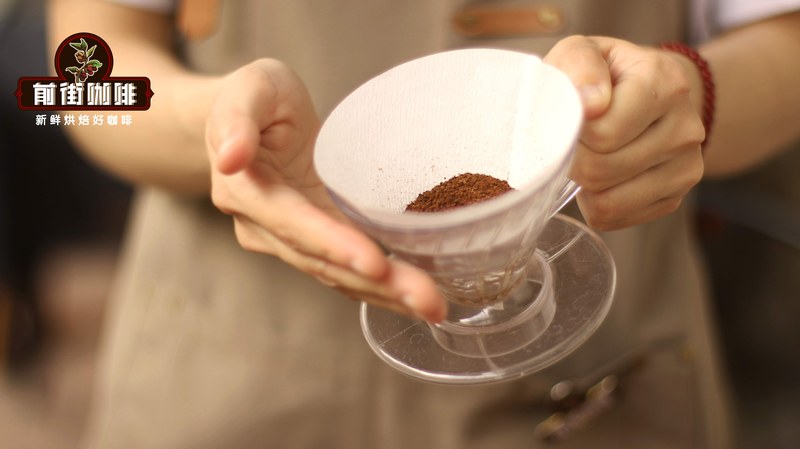
If you use only a small amount each time, consider dividing the beans into portions before opening—each portion being the amount you’ll use in the next few days—and seal them separately. For short-term storage, room temperature and light avoidance are sufficient; for longer storage, you can place the pre-portioned whole beans in the freezer, but be sure to keep them sealed when taking them out and wait until they return to room temperature before opening the bag to prevent condensation affecting quality. It’s important to understand that freezing is only an auxiliary method to slow down flavor degradation,while proper portioning and sealing are key to maintaining flavor integrity.
In the later stages of drinking, if you feel the flavor has noticeably weakened, it may not necessarily be due to brewing issues—it could also be the result of the beans being exposed to air for too long. In this case, opt for fresh grinding first, and minimize the beans’ time exposed after opening, while also observing the aroma after grinding. If you're using a moka pot or making Americano, you can try shortening the extraction time for nutty and chocolatey beans to preserve more sweetness and body. If you encounter excessive dryness or bitterness, adjust the coffee dosage and water contact time first, rather than simply extending the extraction.
It’s recommended to briefly record the roast date, the opening time, and your tasting impressions each time. This helps you gradually identify your own optimal flavor window. Some people prefer the fresh, bright aroma shortly after resting, while others are drawn to the richness and smoothness after two weeks. The same coffee bean can show very different flavor profiles at various stages. By purchasing in small amounts, opening in stages, and planning consumption according to time, the charming nutty and chocolatey notes will more easily shine consistently in your daily coffee.
The above content is compiled by CoffeeHunters, a coffee news website.

