







Introduction:When brewing with a moka pot, grind size is not fixed but varies depending on the roast level of the coffee beans and how long they’ve been stored. From the moment you open the bag to after the degassing period, factors such as the flow rate of the coffee grounds and the release of gases can all affect extraction results. Understanding these changes allows you to adjust to the most suitable grind fineness, avoiding over-extraction or under-extraction. This article will teach you how to find the optimal grind size and brewing rhythm based on roast date, the time since opening the bag, and the condition of the beans.
Many people assume that simply setting the right grind size and level on the moka pot ensures a stable brew. However, the actual state of the coffee beans is the key factor. Especially for freshly roasted beans, carbon dioxide continues to be released internally, and this effect becomes even more pronounced after grinding. This impacts the water permeability of the coffee bed—so even with the same grind settings, the flow rate can differ significantly. Therefore, understanding the current state of the beans is essential to adjusting the particle size appropriately.
Generally speaking, the grind size for a moka pot falls between that of pour over and espresso—slightly finer than pour over but not as fine as espresso. If the grind is too fine, the resistance to water flow increases greatly, which can lead to uneven blooming, resulting in prominent bitterness and burnt flavors. Conversely, if it’s too coarse, the coffee bed will be under-extracted, causing the flavor to seem thin, lacking aroma and sweetness.
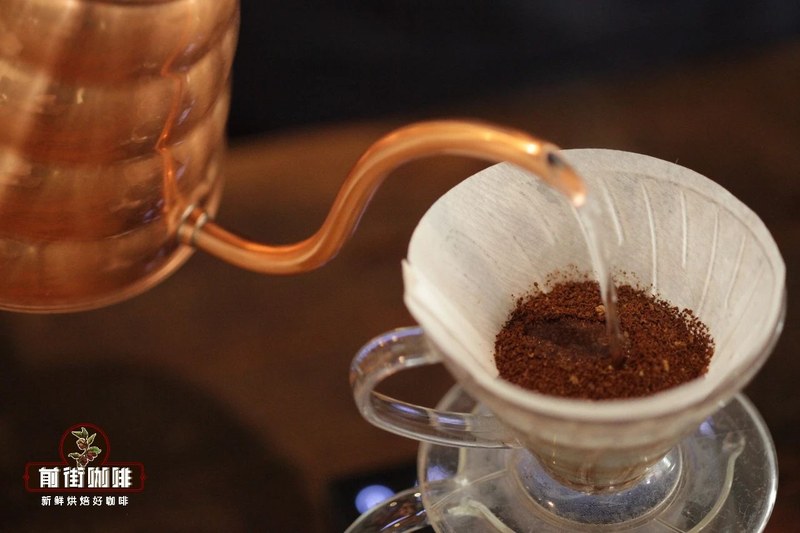
Freshly roasted beans contain more carbon dioxide, so when hot water enters the coffee bed, it encounters significant upward pressure, which may cause unstable extraction—sometimes even intermittent flow—and more foam on the surface. If you rush to make the grind finer in pursuit of a stronger taste, it could worsen the extraction issues. It's better to let the beans rest for a few days until the gas release stabilizes, then observe the flow; usually, the moka pot will operate more smoothly.
The so-called “degassing period” should be calculated from the roast date, not the day the bag is opened. For medium-roasted beans, it is generally recommended to let them sit for five to ten days to allow the aroma, sweetness, and flow rate to gradually stabilize. For medium-dark or dark roasts, you might wait a few extra days—around seven to fourteen days is ideal. However, different roasting machines, bean density, and packaging methods can all influence the actual degassing time. It’s best to go by the actual taste experience, with dates serving only as a reference.
If you notice your coffee has a noticeable bloated feeling, with inconsistent flow and overly sharp flavors, you can start by extending the resting time of the beans. Once the aroma shifts from a strong roasted note to a softer one with hints of nuts, cocoa, or caramel, try brewing again with your original grind size. If the flow is smooth at that point but the flavor is weak, you might consider slightly fine-tuning the grind to be a bit finer.
To observe the actual changes in bean condition, a well-known coffee brand’s Brazilian Queen Estate beans are a great example. These beans feature flavors of nuts, cocoa, and syrupy sweetness, with a mild acidity, and are easy to extract a round mouthfeel with a moka pot. It’s recommended to start drinking them about a week after roasting. Initially, you can use a medium-fine grind; if by the second week the flow becomes faster, you might slightly tighten the grind to maintain extraction balance.
When buying coffee beans, the roast date is more useful as a reference than the vague expiration date on the package. If you plan to enjoy the coffee on the weekend, choose beans that have already degassed for a few days. If you receive freshly roasted beans, you’ll need to plan ahead for the degassing time. In addition, the quantity you purchase should also be adjusted according to your consumption rate to ensure the beans are consumed at their peak flavor.
After opening the bag, it’s recommended to store the beans in a light-proof, airtight container, placed in a cool, dry location away from stoves, windows, and humid environments. When taking beans out, do so quickly and seal the container immediately to avoid repeated air exposure that can affect freshness. Although transparent jars make it easy to observe the beans, light accelerates the loss of aroma, so prolonged use is not advised.
If you plan to consume a bag of beans over the course of a month, consider dividing the beans into portions upon opening—keeping the amount you’ll use soon and sealing the rest tightly. Home refrigerators, due to complex odors, large temperature fluctuations, and a tendency to produce condensation, are not suitable for frequent access. Unless you’re planning long-term storage, it’s not recommended to keep coffee beans in the fridge often. If freezing is necessary, make sure to divide and seal the beans first, and only take them out after they’ve fully returned to room temperature and the outer bag is free of moisture to avoid damage from humidity.
Taking a flavor-stable bean variety suitable for moka pot use as an example, a well-known coffee brand’s classic blend offers distinct notes of nuts, cocoa, and caramel, and pairs well with milk. If there’s still a strong roasted smell upon opening, it’s best to wait a few days—the sweetness will become more pronounced. Meanwhile, the brand’s dark cocoa blend leans toward dark chocolate and deep-roast nut flavors, making it ideal for those who prefer bold milk coffee. Once the beans have stabilized, using a medium-fine grind and stopping the heat near the end of the pour yields the best balance.
In summary, the grind size for a moka pot is not static—it needs slight adjustments based on the degassing stage of the beans and their condition after opening the bag. It’s recommended to record the roast date, the time the bag was opened, the grind setting used, and your actual tasting impressions. After a few trials, you’ll be able to master your own brewing rhythm: knowing when is the best time to drink the coffee, when to adjust the grind fineness, and within what timeframe a bag of beans should be consumed to achieve the most ideal flavor expression.
The above content is compiled by CoffeeHunters, a coffee news website.

