







Introduction:The delicate foam on the surface of coffee brewed with a Moka pot is often mistaken for "crema," but it is actually a foam formed by a mixture of carbon dioxide, volatile aromas, and fine particles. The richness and fineness of this foam are closely related to the post-roast aging stage of the coffee beans. This article will guide you through the critical time window from when the beans are roasted to when they are brewed in your cup. You'll learn how to choose the right coffee beans for a Moka pot, master the optimal extraction timing, and follow practical storage and brewing tips to make a pour over–level Moka pot coffee with fine, dense foam and balanced flavor.
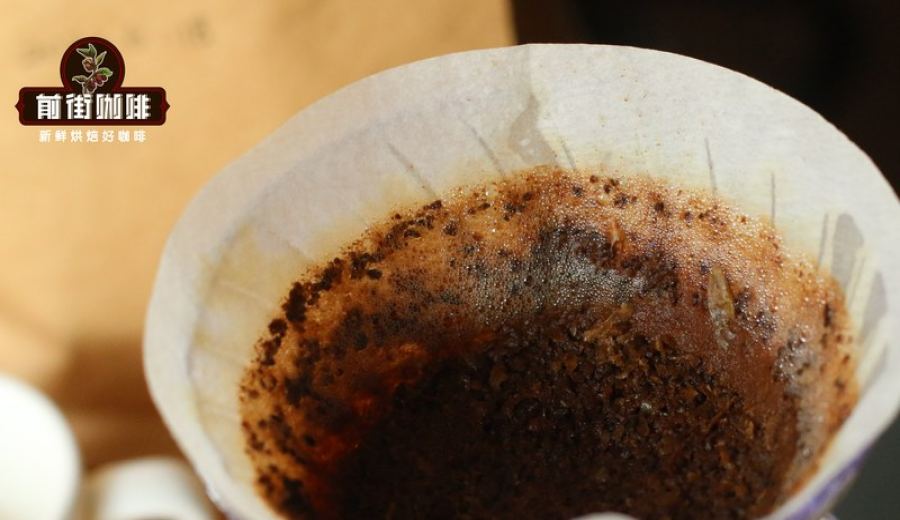
Many people using a Bialetti Moka pot notice a layer of fine foam floating on the surface of their coffee, which is often referred to as "crema." However, this foam is not the true crema-like oil found in espresso, but rather a layer created when water passes through the coffee grounds, releasing carbon dioxide, volatile aromatic compounds, and tiny coffee particles. The fineness, thickness, and stability of this foam are greatly related to the freshness of the coffee beans used.
Freshly roasted coffee beans contain a large amount of carbon dioxide. If ground and extracted immediately, the coffee bed can expand rapidly, making the water flow unstable. Although you might see rich foam, the taste often comes across as overly sharp with roasted flavors, while sweetness and aroma have not yet harmonized, resulting in an imbalanced overall profile. Generally, coffee beans need a few days to several weeks of "resting" or "aging" period to allow internal gases to dissipate gradually, leading to smoother and more balanced aroma and sweetness. This is also the key time window when a Moka pot can produce more captivating foam and flavor.
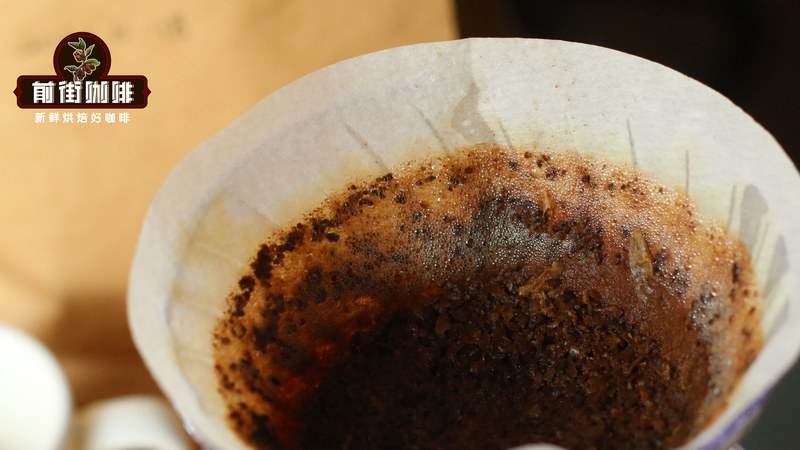
Many assume that any coffee bean within its expiration date will brew well, but in reality, the "best-by" or "flavor peak" period is a more important reference. The flavor peak refers to the time when the bean's flavor performance is at its best, not just the printed expiration date on the package. It is recommended to prioritize the roast date when purchasing, and opt for products with clear labeling and a one-way degassing valve, which helps release excess gases without letting in external odors. After opening the bag, try tasting the coffee multiple times in a row, taking notes on changes in aroma, sweetness, and foam performance each time to identify the stage where the beans perform most balanced.
For use with a Bialetti Moka pot, medium to dark roasted coffee beans usually start entering a more palatable stageon the fifth to tenth dayafter roasting, whilebetween the seventh and over twenty daysoften maintain better richness and balanced aroma. However, this also depends on the roast level, packaging method, and your home grinding setup. Darker roasted beans can be tried slightly earlier, while lighter roasted beans may require more time for flavors to fully develop. It’s recommended to fine-tune based on actual brewing experience to find your own optimal timing.
If you prefer low-acidity, full-bodied coffee, you might want to try Indonesia’s Golden Mandheling. This classic bean from a well-known coffee brand often exhibits distinct herbal aromas and dark chocolate notes when brewed in a Moka pot, with a thick, weighty mouthfeel—perfect for enjoying straight as a hot black coffee. This bean can be tasted aroundabout a week after roasting. If the flavor still feels a bit sharp, wait another two or three days before reassessing, and you’ll typically notice a smoother profile.
If you enjoy coffee with nutty and caramel sweetness, consider beans from regions like Brazil’s Queen Estate. In a Moka pot, these often present smooth textures reminiscent of roasted nuts, cocoa, and syrup, with gentle acidity that doesn’t overpower. They’re great for enjoying in the morning plain or with a small amount of milk. It’s advisable to portion the beans and record the number of days since opening each time you use them, which can help you identify your personal favorite “flavor window.”
It’s important to note that once opened, coffee beans are highly susceptible to environmental influences, especially air, light, moisture, and heat, all of which can accelerate aroma loss. For beans you plan to consume soon, store them in a cool, dry, and dark place using a container with a tight seal, and always close the lid immediately after each use. Particularly avoid keeping beans in transparent glass jars, next to stoves, or near refrigerator doors, as temperature fluctuations can cause condensation, leading to moisture on the bean surface or even spoilage.
When buying coffee beans, also choose an appropriate quantity based on your home consumption frequency. If you only brew a small pot daily, opt for smaller packages that you can finish withinone to two weeks. For families or multiple users, portion the beans according to weekly consumption. For long-term storage, it’s best to divide beans into small sealed portions when they are in peak condition and freeze them. But each time you take beans out, remove only the amount you need for immediate use to avoid repeated thawing and refreezing, which can cause moisture absorption and odor absorption.
To determine whether a bean is suitable for Moka pot extraction, foam thickness is not the only criterion. It’s recommended to start by smelling the dry grounds, then observe whether the flow rate during extraction is smooth, and finally taste the coffee once it has cooled to a drinkable temperature (around 60–65°C). Sometimes the foam dissipates quickly, but if the sweetness is clear and the mouthfeel is balanced, it may actually mean the beans have entered a stable phase. Conversely, if the foam is thick but accompanied by smoky or distinctly dry flavors, the beans may need more time to mature, or you may need to adjust grind size or water temperature.
It’s suggested to create your own “Moka pot bean rhythm chart” by keeping records: for example, taste the beans on the seventh day after roasting, then again on the tenth and fourteenth days, noting each time the strength of aroma, sweetness, body, and aftertaste. This way, when selecting beans in the future, you can choose the appropriate package size and roast delivery timing based on your usual consumption pace. For a Moka pot, stable and just-right freshness is far more meaningful than briefly chasing extremely thick foam.
If you’re looking for a blend suitable for practice and observation, a classic blend from a well-known coffee brand is a good option. This blend typically highlights flavors of nuts, cocoa, and caramel, with clear aromatic profiles even after opening—offering enough strength for a Moka pot black coffee or to be used in milk-based daily drinks. Pre-portion the beans, label the roast date, and conduct multiple tastings under the same water temperature and volume settings. This will allow you to clearly observe how freshness impacts the fine foam and overall performance of each cup, helping you brew your perfect layer of foam tailored to your taste sooner.
The above content is compiled by CoffeeHunters, a coffee news website.

