







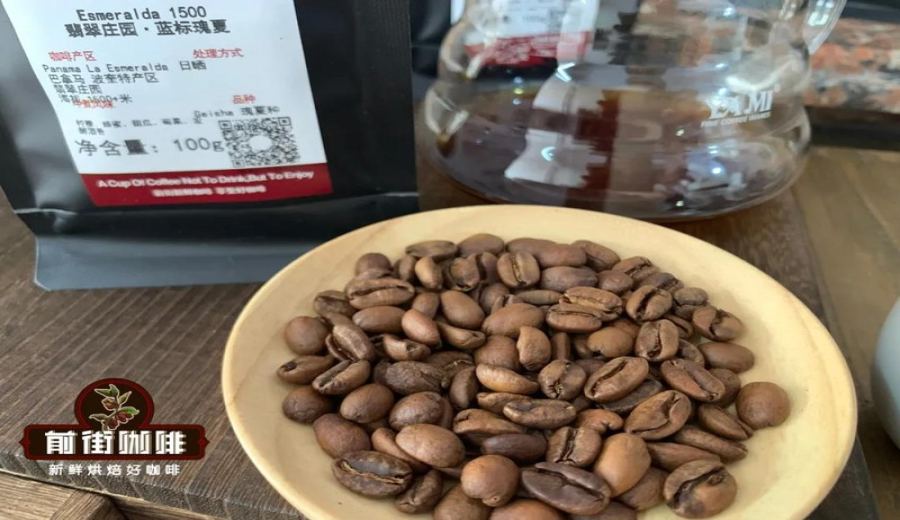
Introduction:Coffee brewed with a Moka pot is rich and intense, so selecting coffee beans with the right roast level and mastering the timing of brewing are especially important. This article delves into the performance characteristics of light, medium, and dark roasted beans in a Moka pot, helping you understand when to start enjoying them for the best flavor. It also offers practical storage and brewing tips so you can consistently extract a balanced and captivating cup at home.
When brewing coffee with a Moka pot, the high pressure and temperature usually result in a stronger concentration, meaning the condition of the beans you use directly affects the final flavor. Many assume that “the fresher, the better,” but actually, freshly roasted beans are still full of carbon dioxide, which can cause unstable flavors during extraction—resulting in overly sharp acidity or loose body. Therefore, the maturation period after roasting is key to achieving a rounded and harmonious flavor.
Whether you prefer light, medium, or dark roasts, you shouldn’t judge solely by appearance. Instead, consider the roast date, storage conditions, and your expected drinking pace to find the optimal timing for brewing. In fact, the so-called “best-by window” refers to the phase where the coffee bean’s flavor profile is most vibrant and well-balanced—not merely its shelf life.
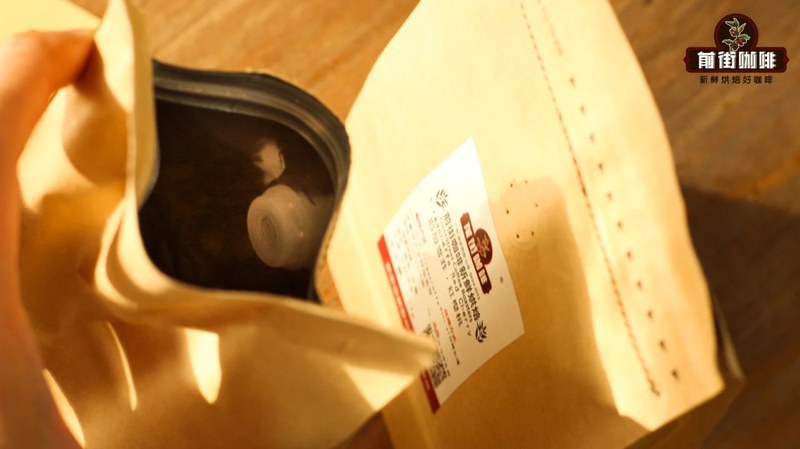
Generally, beans continue to release carbon dioxide after roasting, especially during the first few days when the change is most drastic. When purchasing, it’s recommended to choose packaging that clearly indicates the roast date and has a one-way valve, which helps the beans naturally release gas and reduces the risk of stewed or muted flavors.Remember, marketing claims like “freshly roasted” are not as reliable as the actual roast date.
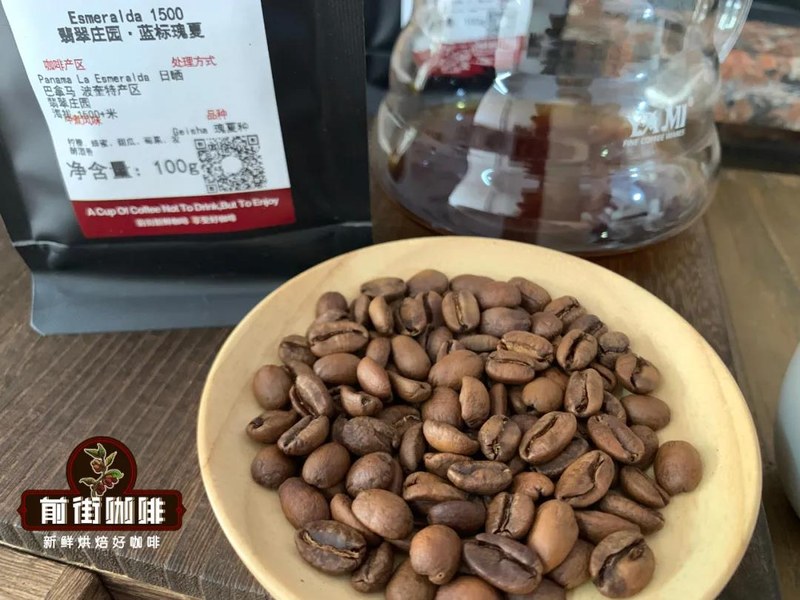
For light roasted beans, which tend to have floral-fruity notes and bright acidity, it’s recommended to wait about ten to fourteen days after roasting before using them. If you’ve chosen beans with more complex flavor layers or higher bean density, you might even wait two to three weeks to allow the internal gases to fully dissipate. Using them too early may cause the fruity aromas to be carried away by unreleased CO₂, and the acidity may come across as overly sharp. After an appropriate maturation period, the aroma becomes more concentrated, and sweetness becomes more noticeable in the rich brew.
The optimal drinking window for medium roasted beans is relatively broad, typically stabilizing between seven to fourteen days after roasting. These beans often balance regional characteristics with moderate caramel and nutty tones, complementing the high concentration produced by the Moka pot. If you drink coffee daily, you can start trying them from the second week after opening the bag, and observe changes in aroma intensity and body thickness over several days to find your favorite stage.
Dark roasted beans, due to their higher roast level, usually release carbon dioxide for a shorter time and generally stabilize five to ten days after roasting. Using them too early may give you a noticeable smoky taste, while sweetness and body haven’t fully developed. It’s suggested to wait about a week before trying them—by then, the dark chocolate, caramel, and roasted nut profiles will be more integrated. When using a Moka pot, start with a shorter brew time or a lower coffee-to-water ratio to highlight the richness, while avoiding an overly bitter aftertaste.
For those who enjoy low-acid, bold flavors with dark berry and black chocolate profiles, consider deep-roasted options like Indonesian Golden Mandheling. It delivers a solid body in the Moka pot and is also suitable for making Americanos or blending with a small amount of milk. Choose beans roasted about a week ago, and consume them in portions after opening. Over time, the herbal notes will gradually transition into a more concentrated chocolate focus.
If you prefer a balanced cup with a rounded body, nutty and cocoa notes, medium-roasted Brazilian beans are often a good entry choice. These beans don’t require a long wait—around ten days after roasting they’ll reach a stable state, suitable for short black coffee or paired with hot milk. If you brew only two or three times per week, opt for smaller packaging to ensure you finish it during its peak flavor window.
How you store the beans after opening is crucial for their ongoing performance. It’s recommended to leave them in their original packaging, gently press out excess air, then seal and store them in a cool, dry, and temperature-stable cupboard. Avoid placing beans in the fridge, as moisture, odors, and frequent temperature fluctuations can affect freshness. For temporary display, an opaque glass jar can be used, but prolonged exposure to direct sunlight or near the stove is not advised.
Also, avoid frequently opening the package to check the beans. Before each use, estimate the amount you need for the day, take it out, and reseal immediately. If you buy large bags, it’s advisable to divide the contents into smaller portions on the day of opening—use part soon and store the rest securely to minimize repeated oxygen exposure. Freshly ground beans retain maximum aroma; since the Moka pot uses a small amount of coffee powder each time, you can pre-portion according to your weekly usage to help maintain a stable flavor.
Finally, you can also gradually adjust your drinking pace based on actual brewing experiences. For the first few tries, note the acidity-sweetness balance, aroma, and aftertaste in the early stages of the flavor window. In the middle stage, observe whether the body becomes more rounded. By the end, if the aroma noticeably fades, consider using the beans for milk-based coffee or making iced coffee to extend their usability. If you store beans of different roast levels at home, reserve lighter roasts for occasions when you have more time to savor them slowly, and use medium-to-dark roasts for quick, everyday enjoyment—letting each pack shine at its best.
In summary, there’s no absolute answer to “when to start drinking” Moka pot coffee—it depends on roast level, quantity purchased, storage method, and actual drinking frequency. Give light roasts a few extra days to mature, look for the best balance point within one to two weeks for medium roasts, and don’t overwait with dark roasts. Master the roast dates, practice buying in smaller amounts, store properly, and fine-tune through regular cupping. You’ll gradually find the perfect pack that suits your taste.
The above content is compiled by CoffeeHunters, a coffee news website.

