







Introduction:To brew a coffee with rich layers and velvety crema using a moka pot, choosing coffee beans with the right roast date is key. This article delves into when to start resting beans after roasting, when they enter their peak flavor window, how to adjust drinking timing based on roast level, and offers practical advice on storage and grinding—so you can consistently enjoy the best flavor with every brew.
To brew a cup of coffee with rich crema, smooth mouthfeel, and bold aroma using a moka pot, selecting beans with the correct roast date is absolutely essential. Freshly roasted coffee beans release a large amount of carbon dioxide right after roasting, which can interfere with the stability of water flow during extraction. Conversely, if left too long, the volatile aromatic compounds in the beans will gradually dissipate. Therefore, it's recommended to drink the coffee continuously once the gas release stabilizes and the aroma is still at its peak to fully experience the charm of moka pot brewing.
The so-called "best-by period" refers to the stage when a coffee bean’s flavors are most vibrant and expressive—a concept entirely different from the "expiration date" printed on packaging. The expiration date is primarily a food safety consideration, whereas the peak aroma of a cup of coffee is influenced by factors such as roast level, packaging material, and storage temperature. Especially when using a moka pot, moderate gas release helps form the delicate crema on the coffee’s surface, but the richness of the crema should not be the sole indicator of bean freshness.
The term "resting" does not mean leaving the coffee beans untouched for a fixed number of days, but rather waiting for the internal gases to naturally release and for the aroma to reach an optimal balance. Generally speaking, medium-roast coffee beans typically enter their drinkable stage around five to ten days after roasting, making them suitable for testing moka pot extraction performance. Medium-dark or dark-roast beans, on the other hand, are usually ready to enjoy after three to seven days. It’s important to note that ambient temperature also affects degassing speed—for example, beans will degas faster in hot weather, while cooler indoor temperatures may slightly delay it. Thus, it’s advisable to treat the roast date as a starting reference point rather than an absolute standard.
When purchasing coffee beans, it’s recommended to prioritize products with clearly marked roast dates on the packaging and to check whether the packaging includes a one-way degassing valve. Additionally, the quantity purchased should match your daily consumption rate: taking a common three-cup moka pot as an example, each use typically requires about fifteen to eighteen grams of coffee beans. Assuming one brew per day, a 250-gram bag of coffee beans can last for roughly two weeks. This way, you can fully experience the flavor development of the beans and easily observe the subtle differences in flavor that emerge every few days.
For instance, a coffee brand’s “Brazilian Queen Estate” beans are excellent for observing the gradual emergence of coffee sweetness. When these beans reach their drinkable stage, the cup first reveals distinct aromas of roasted nuts and cocoa powder, followed by a gradually cohesive caramel-like sweetness, with acidity remaining soft. It’s suggested to start trying them around one week after roasting. Black coffee brewed with a moka pot has a round and smooth mouthfeel, and even when a small amount of hot milk is added, the distinct nutty profile remains clear.
If you prefer a coffee with a fuller body and richer flavors, consider the “PWN Indonesian Golden Mandheling” from a certain brand. This bean, when brewed with a moka pot, tends to yield deep dark chocolate notes, subtle dry herbal aromas, and a solid mouthfeel, with relatively restrained acidity. If the batch you receive is roasted darker, it’s recommended to let it rest for about four to seven days before trying. Also, a slight oil sheen on the bean surface is normal after roasting—judge the actual condition of the beans based on a combination of aroma and brewed results.
For coffee lovers who hope to strike a balance between low acidity and smooth mouthfeel, the “Papua New Guinea Bird of Paradise” from a certain brand is also an excellent choice for the moka pot. This bean exhibits gentle sweetness, an overall clean texture, and roasty aromas that are not overly heavy. It’s suggested to start testing around seven to ten days after roasting. Drinking it straight allows you to enjoy a smooth finish, and diluting it with an appropriate amount of hot water further unfolds the aroma, making the overall cup feel closer to a mellow everyday black coffee.
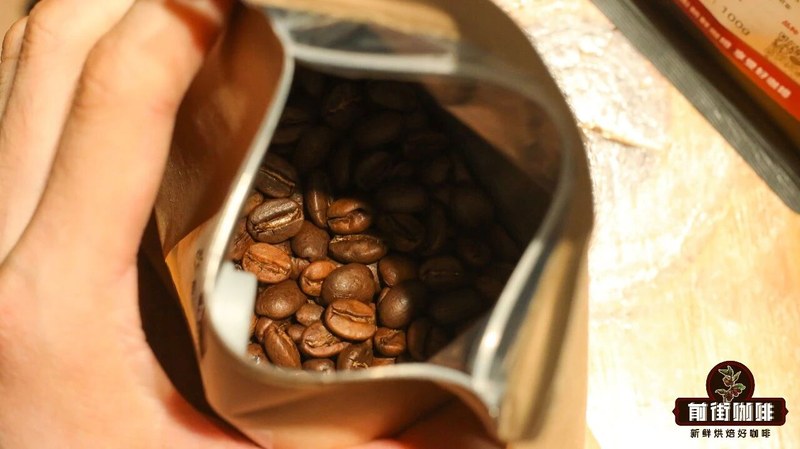
After opening, coffee beans should be kept away from air, sunlight, high temperatures, and humid environments. If the original packaging has a seal and a one-way degassing valve, it’s recommended to continue using it. After each use, gently press out excess air from the bag, seal it tightly, and store it in a cool cupboard. If switching to a storage canister, opt for an opaque container with a capacity close to the remaining bean quantity to minimize extra space inside—this helps maintain aroma stability better than using a transparent glass jar.
Additionally, whole beans generally have a longer shelf life than pre-ground coffee powder because grinding greatly increases the beans’ exposure to oxygen, accelerating flavor loss. It’s recommended to measure and grind beans just before using the moka pot, and avoid leaving unused coffee powder in the grinder’s bean hopper for extended periods—especially far from stoves, windows, and heat-emitting appliances. If you purchase a large package, you can also pre-divide it into several smaller portions, taking out only the amount intended for near-term use, which helps maintain freshness.
If you buy a larger quantity of coffee beans that you expect to take more than a month to use up, you might consider small-portion cold storage after the beans’ flavors have stabilized. Use well-sealed zip-lock bags to divide into single or multiple serving sizes. When taking beans out, keep them sealed and allow the bag to return to room temperature before opening to reduce condensation directly contacting the beans. Note that once defrosted, coffee beans should be consumed promptly—it’s not recommended to repeatedly freeze and thaw them.
Finally, it’s recommended to develop the habit of recording the roast date, opening date, and your tasting impressions after each brew. This will help you quickly identify your personal “optimal drinking window.” If you notice overly large bubbles or unstable flow during brewing, let the beans rest for another one or two days. If the aroma unfolds nicely and sweetness is pronounced, you can maintain a consistent drinking frequency. Once you detect weakening aromas, it’s time to reduce storage time. By adjusting your purchase volume, resting time, and consumption pace after opening, you’ll more easily brew moka pot coffee with fine crema, rich body, and captivating flavors.
The above content is compiled by CoffeeHunters, a coffee news website.

