








Introduction:Did you know? Although freshly roasted coffee beans are highly aromatic, it doesn’t necessarily mean they’re at their optimal extraction stage right away. Especially for SOEs (Single Origin Espresso beans), from the moment they come out of the roaster to the maturation period, their internal gas release, aroma stability, and flavor expression continuously evolve. This article will guide you on how to adjust grind size, water temperature, pre-infusion time, and output volume based on the bean’s age, so you can brew balanced and layered SOEs at home using either an espresso machine or a pour over setup. Master the key techniques of extraction by understanding “bean age.”
Right after roasting, coffee beans continue to release carbon dioxide internally, and aromatic compounds have not yet fully stabilized. Brewing SOEs immediately at this stage may result in crema with rich foam, but often lacking clear sweetness and complexity. In fact, home espresso machines are fully capable of handling SOEs—the key lies in factoring in the bean’s age during extraction, and flexibly adjusting grind size, water temperature, and brew time to fully realize the beans’ potential.
The “optimal drinking window” for coffee is not a single fixed point in time, but rather a period during which flavors are relatively active and changes are more noticeable. For light to light-medium roasted single-origin beans used for espresso, it is recommended to start trying them from day 7 to 10 after roasting. During this period, flavors gradually unfold, often reaching a more expressive and balanced state after 2 to 4 weeks. In comparison, medium-roasted beans tend to stabilize more quickly and can have their extraction parameters adjusted slightly earlier.
When selecting a suitable SOE, in addition to referring to the flavor descriptions on the packaging, also pay attention to the roast date and your own consumption pace. For example, if you use 18 grams of coffee per shot, a 200-gram bag can yield about 11 shots of espresso. It’s recommended to purchase an amount you can finish within two weeks, ensuring each cup is dialed in while the beans’ aromas are still at their best, avoiding excessive flavor shifts within the same bag.
Freshly roasted coffee beans, due to high internal gas content, can lead to uneven pressure distribution in the puck when in contact with water, causing unstable flow rate. When using a home espresso machine, it is suggested to start with 18 grams of coffee, aiming for an output of 38 to 42 grams, with a brew time of around 28 to 32 seconds. Set the water temperature between 91 to 93°C, and include a 3 to 6 second low-pressure pre-infusion step to help even out puck pressure. If you notice inconsistent flow—sometimes fast, sometimes slow—you can try adjusting the grind to a slightly coarser setting to allow smoother and more even water flow through the coffee bed.
As time progresses, the coffee beans enter a flavor development phase where internal gas release slows down. During this period, espressos typically become more intense and concentrated, with a clearer aroma profile. If you find that the extraction flow is too fast under your original settings, you can fine-tune the grind to be slightly finer, while keeping the dose and water temperature constant, and observe the overall mouthfeel. If the taste is bright but lacks sweetness, you can increase the shot weight slightly; if the aftertaste is dry, it is better to end the extraction earlier—this approach allows for better balance control than simply increasing water temperature.
When the coffee beans are about two to three weeks post-roast, a finer grind is usually required to maintain stable flow, but be cautious as over-fining may lead to channeling or puck blockage. If the puck feels well compacted but the aroma is still muted, consider slightly increasing the shot weight to produce a lighter, longer espresso, or dilute it appropriately for drinking. It’s important to note that although adjusting parameters can enhance extraction completeness, it cannot restore already lost volatile aromas. Therefore, maintaining an appropriate drinking pace is more crucial than repeatedly applying pressure or increasing water temperature.

Taking a real-world example, Ethiopian Huakai, when used as an SOE, is recommended to be evaluated for flavor development around 8 to 14 days post-roast. You can use 18 grams of coffee to extract 42 to 45 grams of liquid, with a time control of 28 to 33 seconds, and the water temperature set between 91 to 92°C. This bean often exhibits layers of ripe strawberry, tropical fruits, and sweet-tart fruit notes. Drinking it straight allows you to experience a rich variety of flavors, while adding ice water for a cold drink can also bring out its refreshing and crisp characteristics.
Another example, Kenyan Little Tomato, is known for its pronounced sweet-tart profile and is suitable for parameter adjustments starting from 7 to 12 days after roasting. Use 18 grams of coffee to extract 40 to 44 grams of liquid, with the water temperature recommended at 92 to 93°C, which helps to release its tomato-like juicy sweetness, plum-like tones, and molasses-like aftertaste. If the initial taste feels too tight, you can slightly extend the extraction time or taste the coffee again after it cools down, which makes it easier to capture its delicate finishing notes.
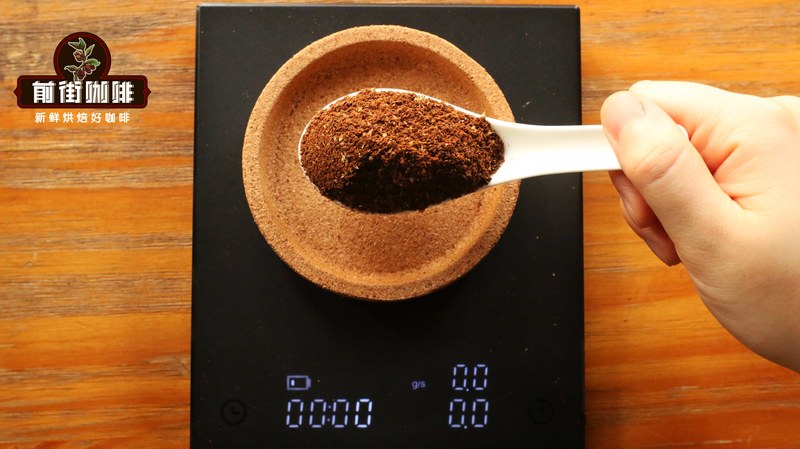
For storage, it is recommended to keep opened coffee beans in their original packaging, utilizing the one-way degassing valve to release excess air. After each use, seal the bag tightly and store it in a cool, dry place away from heat sources. If you expect it to take more than a month to finish, you can portion the beans according to your usage and store them in the freezer. Before use, let the bag return to room temperature before opening and grinding, which effectively prevents moisture condensation and temperature fluctuations affecting flavor.
Lastly, consider jotting down the roast date, opening time, and a few representative extraction parameters on the coffee bag. After a few brews, you’ll clearly observe the impact of bean age on flow rate and flavor. Master the principles of “focusing on degassing and puck stability in the early stage,” “enhancing aroma and sweetness capture in the mid-stage,” and “extending performance through shot weight and drinking methods in the later stage.” Coupled with reasonable purchase quantities, proper storage environments, and machine adjustment strategies, even a home espresso machine can produce SOEs that are clear, balanced, and full of expression in every cup.
The above content is compiled by CoffeeHunters, a coffee news website.

