







Introduction:From the moment coffee beans are roasted, they begin an intricate process of aroma transformation. For enthusiasts who frequently enjoy Americanos, understanding the bean's degassing period, resting rhythm, and optimal drinking window not only helps avoid uneven extraction or flavor loss but also allows you to savor the delicate nuances of the coffee itself. This article will detail how to determine the right time to open the bag, observe the resting state, and adjust brewing methods based on bean characteristics, helping you precisely capture the flavor peak of every bag of coffee.
Once roasting is complete, each bag of coffee beans starts releasing internal carbon dioxide and gradually develops its unique aroma. Especially when making Americanos, which involve diluting concentrated espresso with water, if the beans are still in an overly active degassing phase, it can lead to uneven extraction and a thin-tasting cup. Conversely, if left too long, once the aroma fades, only a flat or even bitter taste remains. Therefore, rather than blindly pursuing "the fresher, the better," it’s more important to master the rhythm of opening the bag, drinking, and consuming, ensuring the coffee reaches your cup during its most aromatic period.
The so-called "best-by period" refers to the time frame when a coffee’s flavor performance is at its best, not merely its shelf life. When purchasing, it’s recommended to prioritize the roast date and suggested resting days on the packaging, rather than just the expiration date. Generally, medium to dark roasts degas more quickly and can typically be tried three to seven days after roasting, while lighter roasts, due to their denser structure, often require seven to fourteen days to fully develop their layers. It’s advisable to flexibly adjust based on actual cupping experiences.
How can you tell if the coffee beans have rested adequately? You can observe from three aspects: the change in aroma when opening the bag, the gas release during grinding, and the flow rate during extraction. When the bag's aroma shifts from a strong roasty smell to clear floral, fruity, nutty, or caramel notes, when grinding no longer produces intense gas bursts, and when espresso extraction flows smoothly and steadily, it usually means the beans have entered a drinkable stage. If the aroma seems diffuse after adding water, wait another day before trying again; once you notice a clear sweetness and clean aftertaste, it indicates the beans have reached a stable and drinkable period.
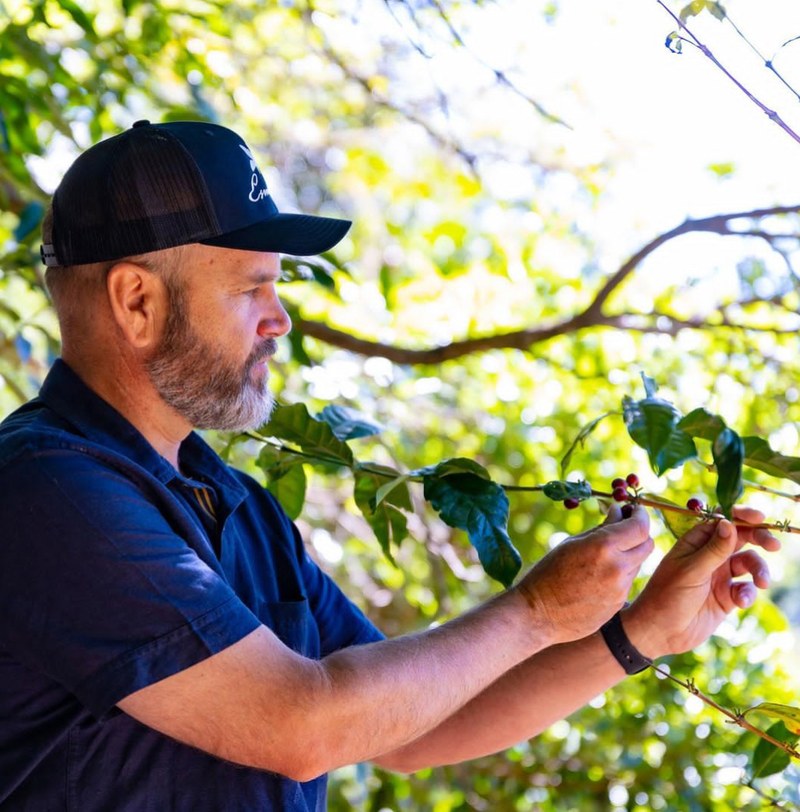
If you prefer Americanos with rich aromatic layers, you might try the Panamanian Emerald Estate Red Label Geisha from a certain coffee shop. After proper resting, the white flower and citrus aromas of this bean gradually unfold, offering a light Earl Grey-like profile on the palate, and even as it cools, it retains a soft sweet aftertaste. It’s recommended to start with a hot Americano brew, controlling the dilution ratio; if the roast date is very recent, consider waiting a few more days for the gases to fully release before comparing the aroma development.
For those who enjoy bright fruity flavors, the Yirgacheffe Guddina from a certain coffee shop is worth a try. After sufficient resting, its citrus, berry, and delicate floral notes become more distinct, with a green-tea-like fresh sweetness in the aftertaste. When using it for iced Americanos, you can pour the espresso directly over ice and water—the quick cooling helps preserve the lively aroma. It’s suggested to try brewing a cup daily in the early days of opening the bag to identify the key turning point where acidity and sweetness shift from tight to soft.
If you wish to more noticeably experience changes in fruitiness, the Ethiopian Huika from a certain coffee shop is a great choice. At the beginning of its drinkable stage, the cup often presents vibrant flavors like strawberry and passionfruit, gradually revealing the sweetness of ripe tropical fruits. When making iced Americanos, you can reduce the additional water ratio, allowing the ice to melt and naturally dilute the coffee; for such bold-aroma beans, it’s recommended to plan more frequent consumption after opening to prevent flavor decline from prolonged storage.
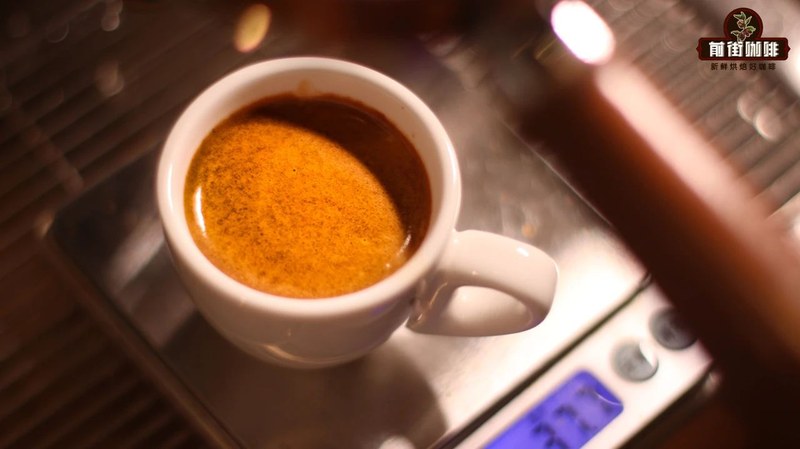
When purchasing coffee beans, the package size should be determined based on weekly usage. Calculating that about eighteen grams of beans are needed for one shot of espresso, a 200-gram pack can yield approximately ten to eleven cups. If consumed daily, a pack can usually be finished within the period when the aroma is most active; for weekend brewing only, a smaller package is more suitable. If planning to open two to three packs at once, consumption speed should also be calculated separately, as unopened beans continue to degas and the transformation process doesn’t pause.
The key to storing opened bags is to minimize exposure to air, light, heat sources, and moisture. It’s recommended to keep the original packaging with a one-way degassing valve, gently squeezing out excess air and sealing it tightly after each use, then storing it in a cool, dry cabinet—this is usually simpler and more effective than frequently switching storage containers. Avoid placing the bean bag near the stove, window, or water kettle, and don’t use damp scoops; the more stable the environment, the slower the aroma degradation.
If purchasing more than two to three weeks’ worth at a time, you can portion and freeze the beans as they approach the ideal drinking period. It’s suggested to divide them into small sealed bags for three to five days’ use, squeezing out as much air as possible, and letting the entire pack return to room temperature before opening to reduce condensation on the beans. Regular refrigerators, due to frequent opening and complex odors, aren’t ideal for frequent access; the same frozen portion should also be avoided from repeated thawing.
As time passes, different stages of the same bag of coffee beans after opening may also allow for slight adjustments in brewing parameters. For example, as the beans gradually degas, the espresso extraction flow rate may speed up—in this case, you can moderately fine-tune the grind to a finer setting or slightly reduce the dilution water volume to maintain aroma richness and sweetness. Adjustments shouldn’t be too drastic, and it’s best to use the same water temperature and cup volume for comparison; record the roast date, opening date, and flavor peak points, making it easier to grasp the optimal drinking timing for future repurchases.
Choosing a coffee bean suitable for Americano brewing isn’t just about reading the flavor descriptions on the package—it’s also about arranging a proper resting and tasting rhythm for it. As long as the purchase amount matches your drinking frequency, patiently tasting during the resting period, and properly storing the beans after opening, you’ll more easily capture that golden period of richest aroma. Treat each bag of coffee as a unique flavor journey, whether it’s a hot or iced Americano, each stage can showcase distinct and captivating characteristics.
The above content is compiled by CoffeeHunters, a coffee news website.

