







Introduction:Did you know that from the moment espresso beans are roasted to when they’re brewed, they actually go through a process of degassing, stabilizing, and flavor transformation? Opening the bag too early may lead to uneven extraction, while keeping them too long might cause you to miss the optimal flavor window. This article will explain in detail how to determine the right time to open the bag based on the roast date, and provide practical advice on storage and consumption to help you master every stage—from bean aging to enjoyment—so that every shot of espresso or milk coffee can showcase its intended layers and aromas.
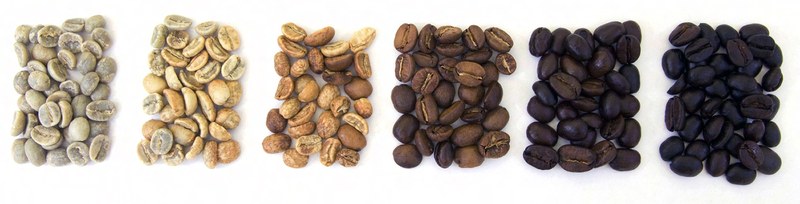
From the completion of roasting to being brewed into a cup of coffee, espresso beans go through a process of degassing, expansion, and gradual decline. Freshly roasted beans contain a large amount of carbon dioxide. If extracted too early, these gases can interfere with even water penetration, leading to uneven saturation of the coffee puck. Though the crema may look thick, it often disperses quickly upon tasting. On the other hand, once the beans reach a stable state, their sweetness, body, and aroma are more fully released. Therefore, the purpose of knowing the roast date is not to pursue “the fresher, the better,” but to help you determine when to open the bag and how to plan your consumption pace.
When making a purchase, it’s recommended to first check whether the packaging clearly indicates the roast date, then make a judgment based on roast level, package size, and your personal consumption rate. The so-called “aging period” is actually the time needed for the coffee beans to release enough carbon dioxide and reach flavor stability. Generally speaking, for common medium to dark roast espresso beans, it is advisable to start observing their state after aboutfive to ten daysof roasting; whereas lighter roasted beans require a longer time, and it is recommended to waitten to twenty daysbefore trying them, which makes it easier to perceive their full cup performance.
When it comes to the “best-by period,” it actually refers to the time frame when the aroma and flavor are most vibrant, rather than a date after which the coffee becomes undrinkable. As long as it is stored properly—in a sealed package with a one-way degassing valve—whole beans can typically maintain their quality for several weeks in a good environment. However, factors such as actual frequency of opening the bag, room temperature, and roast level can all influence the flavor curve. For home users, rather than memorizing a fixed expiration date, it’s better to continuously observe brewing performance—for example, whether the espresso flow rate is stable, if the aroma remains vivid, or if the sweetness in the cup has weakened. These are more practical reference indicators.
How can you tell if the beans have reached a stage where they are more likely to yield good flavors during extraction? You can pay attention to several signals during brewing: after adjusting the grind size, the flow rate becomes stable and controllable, the crema is no longer overly fluffy, the taste shifts from sharp to rounded, and the aftertaste becomes more cohesive. If the outflow speed of freshly roasted beans is inconsistent, it’s suggested to let them sit sealed fortwo to three more daysbefore trying again; if you notice the aroma fading day by day, you might consider slightly fine-tuning the grind to be finer and speeding up consumption to avoid the beans losing their vibrancy due to prolonged storage.
When purchasing coffee beans, it’s advisable to choose a package size that matches your actual weekly consumption. If you only drink one shot of espresso per day—calculated at about10 to 20 gramsper cup—opting for a smaller package ensures you finish it within the optimal flavor period. For households with more members or those who frequently make double shots, larger packages may be more suitable. Before placing an order, it’s helpful to note down the expected arrival date, recommended resting days, and planned opening date, which aids in organizing the drinking sequence of different batches and avoids wasting multiple opened packages.
If you want to establish a stable consumption rhythm, it’s recommended to start with blends that have distinct and stable flavor profiles. For instance, a blend with notes of roasted nuts, cocoa, and caramel sweetness, offering a full-bodied texture, is well-suited to resting for a few days before being used for espresso—the flavors will become more concentrated; even when milk is added, the clear cocoa and nut base remains. Such beans are also suitable for brewing with a moka pot, and it’s advisable to prioritize their use during breakfast or high-frequency milk coffee times to help stabilize consumption speed.
If you often switch between Americanos and milk coffees, you might opt for a blend with a broader flavor profile, such as one based on Brazilian and Colombian beans, often characterized by notes of ripe nuts, toffee sweetness, and a soft cocoa aftertaste. Once these beans have opened up, it’s suggested to first try them as espresso to assess the overall balance, then adjust to Americano or milk versions according to preference. Drinking them continuously for a few days can also help you discern the natural transition of aroma from intense to smooth.
For those who prefer low acidity and rich, full-bodied tastes, blends emphasizing dark chocolate, roasted nuts, and intense sweetness are worth considering. Such beans are usually suitable for making short espresso shots directly and can also support the preparation of Americanos or milk coffees. Although their flavor characteristics are quite recognizable after opening, it’s still recommended to fine-tune the grind coarseness based on actual flow rate and reduce storage time toward the end of the bag, using them primarily for daily service to help preserve aroma intensity.
The key to storing opened beans lies in minimizing exposure to oxygen, moisture, heat, and light. After each use, gently press out the air inside the bag before sealing the zipper, and store in a cool, dry place. If the original packaging isn’t well sealed, you can place the bag inside a light-proof, airtight container. For beans consumed regularly, it’s not recommended to store them long-term in transparent containers or in the fridge, as frequent temperature changes can cause condensation and accelerate flavor degradation.
If you’ve purchased a large package but can’t finish it within a few weeks, you might consider portioning outthree to five days’ worthof beans for freezing during the initial period after opening. It’s advised to use airtight small bags and squeeze out as much air as possible; allow the entire pack to return to room temperature before opening to prevent moisture from directly contacting the beans. Once defrosted, the beans are best consumed at a regular pace without refreezing. Additionally, grinding the beans significantly increases their exposure to air, so it’s preferable to keep them whole and grind them fresh for use to maintain optimal aroma.
In summary, the usage of a bag of espresso beans can be broken down into: the post-roast waiting period, the flavor development period, the intensive consumption period, and the tail-end adjustment period. It’s recommended to choose a roast date that matches your consumption rate, make fine adjustments after opening the bag based on flow rate and cup performance, and adhere to the principles of sealing, light avoidance, and stable temperature during storage. Mastering this process ensures that whether it’s espresso or milk coffee, the flavors will be clear and balanced, making your home coffee experience more relaxed and enjoyable.
The above content is compiled by CoffeeHunters, a coffee news website.

