







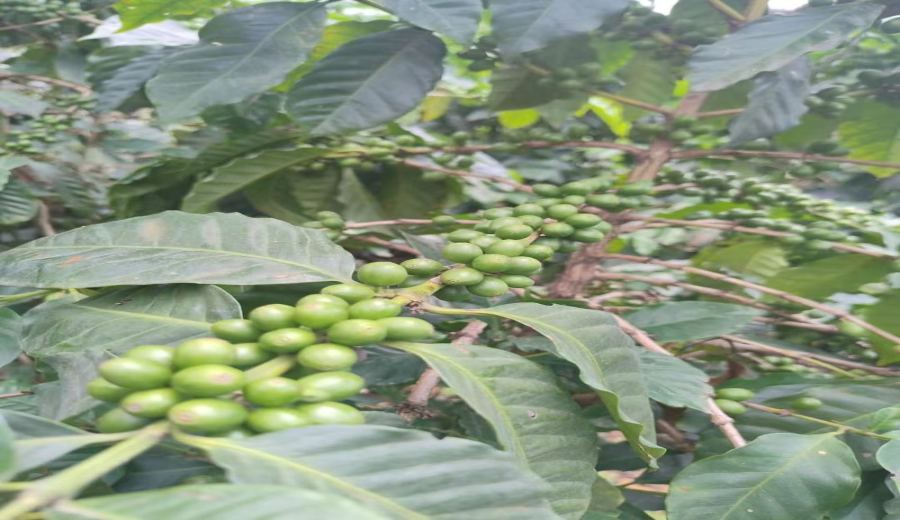
Introduction:Brazilian coffee beans are known for their stable flavor profiles, but did you know? From light to dark roasts, their aromas and taste can be completely different. This article takes you on an in-depth exploration of the flavor characteristics of Brazilian coffee beans at various roast levels, and provides practical brewing parameter suggestions. Whether you're a pour over enthusiast or a milk coffee lover, you’ll find a suitable choice and technique here.
When it comes to Brazilian coffee beans, many people’s first impression is that they are stable, balanced, and great for milk coffee. But in reality, their potential goes far beyond that. What truly determines the final flavor of a cup of Brazilian coffee is often the roast level. From bright light roasts to rich dark roasts, each stage showcases a distinctly different aroma profile and taste structure.
Light-roasted Brazilian beans can retain more of the terroir characteristics and varietal personality of their origin. These beans have a fresh taste, with aromas often presenting fruity, floral notes, and even a hint of delicate tea-like undertones. This type of Brazilian bean requires more delicate extraction, including appropriate water temperature, grind size, and pouring rhythm, to balance acidity and sweetness. If you prefer a coffee with bright acidity, clear layers, and are willing to slowly appreciate temperature changes, you might start exploring the charm of Brazilian beans with a light roast.
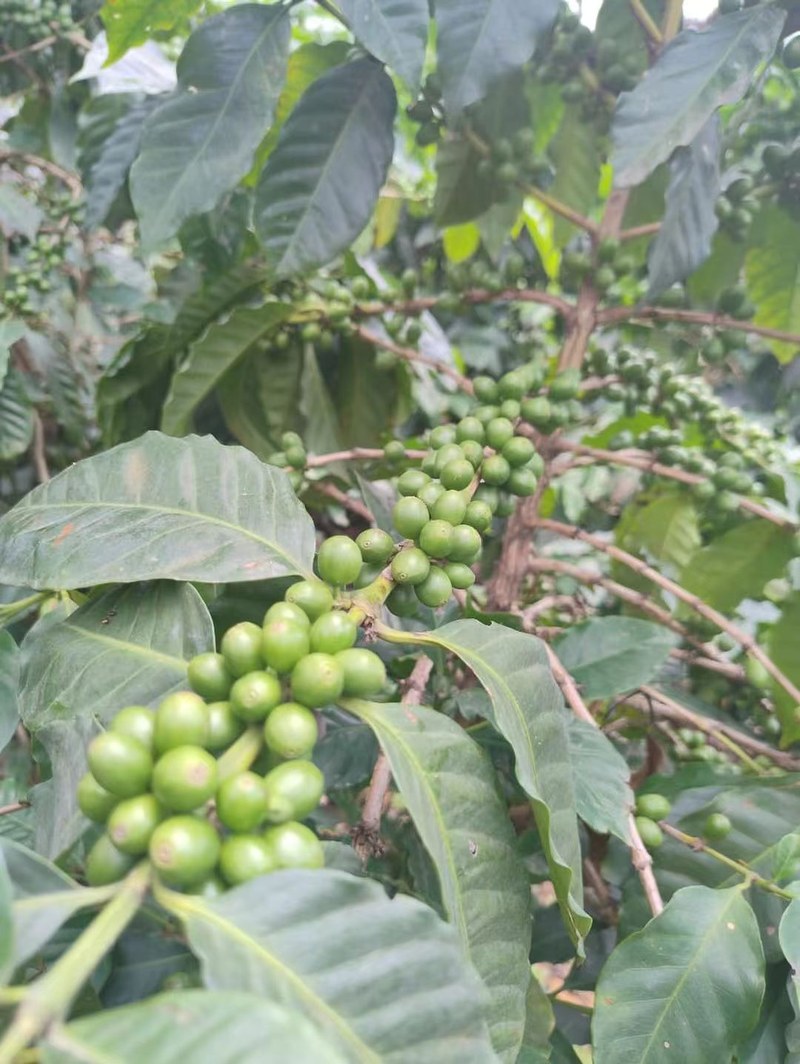
For example, some Brazilian beans when light roasted can exhibit a refreshing acidity akin to oranges, followed by the sweet fruitiness of ripe apricots, with an aftertaste that even carries a hint of oolong tea-like notes. This kind of flavor profile performs especially well in pour over or filter brewing, and the sweetness becomes even more pronounced as it cools, making it ideal for carefully savoring its transformation process. However, it's worth noting that if the grind is too coarse or the water temperature is too low, the acidity may become overly prominent while the sweetness falls short. In such cases, you can slightly adjust to a finer grind, extend the extraction time a bit, or try increasing the water temperature to around 92–94°C to achieve a fuller release of aromas.
Moving into the medium roast level, the overall performance of Brazilian beans tends to become rounder and more balanced. Acidity steps back from the front, taking on a background role, while sweetness and body begin to dominate, resulting in a smoother mouthfeel. These beans adapt well to various brewing methods. In pour over, they often present caramel-like sweetness, and even as an Americano, they don’t taste thin. For coffee lovers who want to avoid excessive acidity but still hope to retain layers of aroma, medium roast is a very natural choice.
Some Brazilian beans, even at the medium roast stage, still maintain surprising fruit aroma potential. For instance, certain sun-dried processed varieties can express aromas of orange blossom, guava, and apricot, adding layers on top of a jammy-sweet base. When using pour over, it’s recommended to use a gentler water flow and a steady pouring rhythm, avoiding excessive agitation, so that floral, fruity, and sweet notes are revealed in sequence. Additionally, if the packaging indicates words like floral, fruity, citrus, or tea-like, it usually means that batch leans toward preserving bright aromatic features; if it emphasizes caramel, nuts, or cocoa, it is often medium-dark to dark roasted, with a richer and fuller mouthfeel.

Dark-roasted Brazilian beans represent another extreme expression. The aroma of these beans is concentrated in black chocolate, roasted nuts, caramel, and deep roasting notes. Acidity is significantly subdued, but the sense of weight and rich texture in the mouthfeel become more prominent. Dark-roasted Brazilian beans are very suitable for making espresso, moka pot coffee, or milk-based drinks like lattes and flat whites, because their intense base can stably support other flavor elements without being easily overshadowed.
When brewing dark-roasted beans, it is recommended to avoid excessively high water temperatures, generally keeping it around 90–92°C. Grind size should also not be too fine to prevent extracting too much bitterness and astringency. If using a moka pot, it is advised to simmer over low heat, and stop heating once the liquid color becomes lighter to avoid over-extraction. For espresso, extraction time and pressure can be controlled to preserve moderate sweetness and body. Once milk is added, the cocoa and caramel notes of dark-roasted beans become softer, blending with the milk to create a creamy texture and sweet aftertaste.
In summary, when choosing Brazilian coffee beans, you might start with your preferred drinking style: if you enjoy refreshing fruitiness and clear layers, light or medium-light roasts are a great entry point; if you’re after sweet, balanced, and versatile flavors, medium roast is the most all-purpose option; if you prefer rich, full-bodied, and low-acid profiles, then medium-dark to dark roasts will better suit your taste. Remember to consider the roast date and the flavor descriptions on the packaging to make a comprehensive judgment, so you can find the Brazilian bean that best matches your personal taste.
The above content is compiled by CoffeeHunters, a coffee news website.

