








Introduction:To avoid the pronounced acidity of Yirgacheffe, the key lies in mastering roast depth and extraction techniques. This article explores the flavor differences from light to medium-dark roasts, analyzing how to achieve a soft and balanced cup by adjusting roast selection and pour over parameters. Whether you prefer floral-fruity notes, honey-like sweetness, or the rich tones of nuts and cocoa, you’ll find corresponding solutions and practical tips.
To enjoy a cup of Yirgacheffe where acidity doesn’t dominate, start by checking the roast level indicated on the packaging. Roast depth directly influences flavor direction: light roasts preserve distinct regional characteristics, often showcasing vibrant notes like citrus, berries, or flowers; medium roasts enhance sweetness and roundness, resulting in a more balanced taste; medium-dark roasts bring out nutty, cocoa, and roasted aromas, naturally toning down acidity. It’s important to clarify that “less acidic” doesn’t mean eliminating acidity entirely, but rather achieving a soft acidity that harmonizes with other flavors.
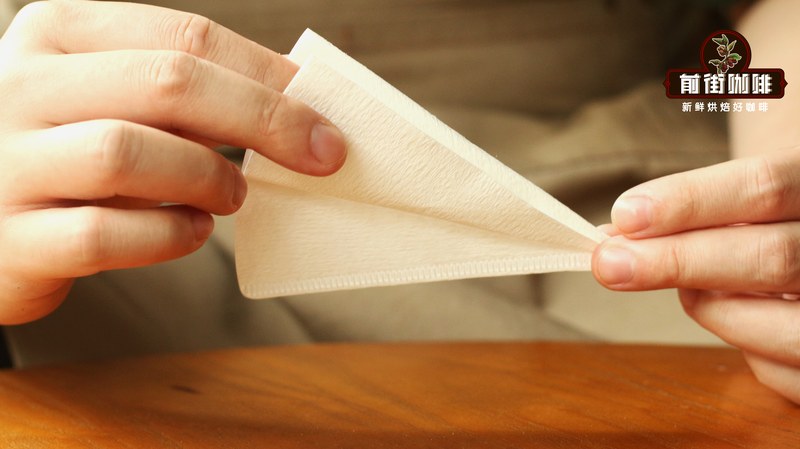
Light-roasted Yirgacheffe isn’t necessarily sharp or overly acidic—the bean variety, processing method, and roast curve all affect the drinking experience. If you wish to retain aromatic complexity while avoiding excessive acidity, prioritize products labeled as “light-medium roast” or “sweetness-focused.” For pour over, it is recommended to usea medium water temperature of 90–92°Cand shorten the contact time between water and coffee grounds (about 2 minutes). This helps maintain the lightness of floral and fruity notes while reducing dry or astringent sensations in the aftertaste.
For those new to Yirgacheffe, medium roast is the most beginner-friendly option. Roasts in this range preserve a fresh herbal base while adding honey, caramel, or ripe fruit sweetness through Maillard reactions, ensuring the cup isn’t dominated solely by bright acidity. Whether using a pour over kettle, siphon, or other filter-style equipment, the coffee shows gentle aromas when hot and becomes even sweeter as it cools—making it ideal for gradually developing an appreciation for Yirgacheffe.
If you prefer a fuller-bodied coffee with minimal perceived acidity, consider medium-dark roasts. Such roasts highlight warm notes of cocoa, nuts, and caramel, significantly enhancing body, making them well-suited for Americanos or with a splash of milk. Note that dark roasts don’t inevitably mean bitterness—the control of roast heat and brewing method are equally crucial. Properly adjusting grind size and extraction time can effectively avoid overly harsh or burnt impressions.
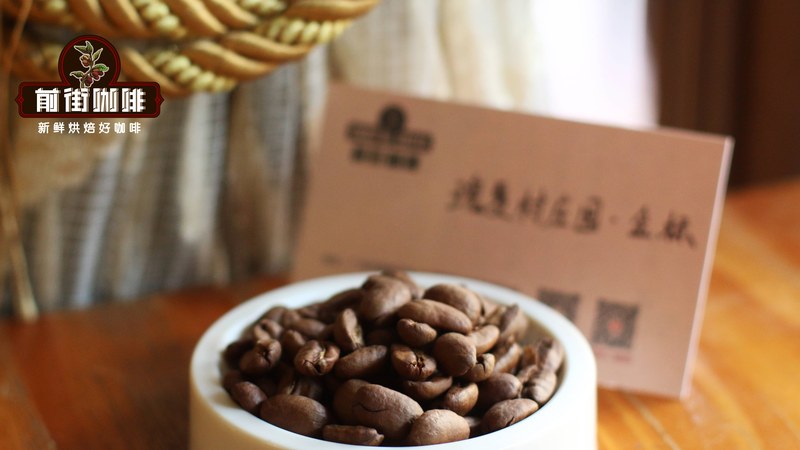
Taking a specific bean as an example, a brand’s Papua New Guinea Bird of Paradise falls into the transitional range between medium and medium-dark roast. Its flavor profile is rounded and clean, with subtle sweetness that’s enough to soften the intensity of black coffee. When using a pour over dripper, it is recommended to usea slightly lower water temperature of 88–90°Cwith a steady pour to maintain balance; if switching to Americano-style brewing, increasing the coffee-to-water ratio (e.g., 1:15 or higher) can further emphasize its gentle body structure.
Consumers who enjoy nutty, caramel, and cocoa profiles may want to look for a certain brand’s specialty blend. This recipe uses Brazil and Colombia beans as the base, inherently offering rich sweetness and moderate body, with acidity never taking center stage. After medium-dark roasting, extraction via espresso machine produces a bold coffee liquid that blends naturally with milk; even when brewed as black coffee, it retains a long, melted-cocoa-like finish.
Roast level also significantly affects extraction. Darker, looser-structured beans usually don’t require excessively high temperatures (suggested 88–90°C) or overly fine grinds (medium-coarse, around BG 6M), to avoid extracting excessive bitterness or dryness. For medium roasts, you can start with standard pour over parameters (e.g., 1:16 coffee-to-water ratio, 2-minute extraction) and observe whether sweetness is adequately expressed; for medium-dark roasts, it’s recommended to shorten extraction time (around 1 minute 45 seconds) to enhance body and avoid heavy or dull endings.
When purchasing, be sure to also check the “roast level” and “flavor description” text. If the packaging states medium roast but emphasizes citrus, berries, and flowers, it likely still retains vibrant, tangy sweetness; if it’s labeled medium-dark and lists keywords like cocoa, nuts, or toffee, the taste tends to be richer. If roast depth isn’t clearly marked, you can directly ask the seller about the roast date, recommended brewing methods, and suitable equipment types as a basis for judgment.
Under the same roast level, brew ratios can also alter flavor perception. Increasing water volume makes acidity and freshness more noticeable; raising coffee dose or liquid concentration enhances sweetness and body. If you want Yirgacheffe to taste softer, start with a medium roast, use stable hot water (avoid boiling), a moderate grind size (avoid too fine), and balanced concentration (e.g., 1:15–1:16), then gradually explore your personal optimal balance.
Daily black coffee drinkers can satisfy both aroma and smoothness needs with medium or medium-dark Yirgacheffe; frequent latte makers may prioritize medium-dark roasts or blends with nutty-cocoa characteristics, which better support the milk foam layer. Those preferring a refreshing taste can try light-medium roasts and soften acidity by reducing concentration. Instead of focusing solely on origin names, comparing along the roast gradient often helps you find your ideal cup of Yirgacheffe more precisely.
The above content is compiled by CoffeeHunters, a coffee news website.

