







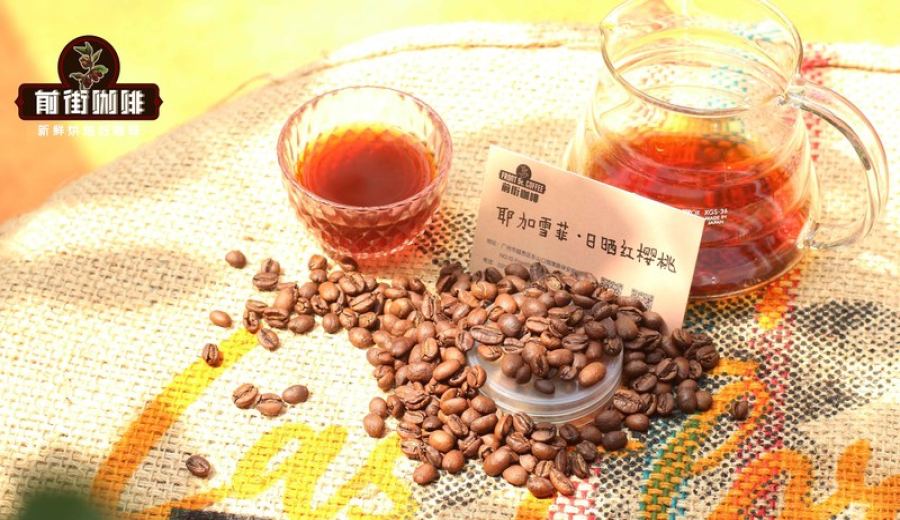
Introduction:Dark roasted coffee beans are often misunderstood as being nothing but bitter and intense. In reality, from medium-dark to extremely dark, each stage of roasting significantly alters the aroma profile, flavor structure, and optimal brewing methods of the beans. This article will guide you through the subtle differences within the dark roast range — including how to judge flavor tendencies based on roast levels, selecting dark roast beans that suit your personal taste, and pairing them with ideal brewing suggestions. Whether you’re using pour over or French press, you’ll be able to master a bold yet layered black coffee experience.
The world of dark roast coffee is far richer than just “bitter” or “strong.” As the roast level moves from medium-dark toward darker roasts, fruity acidity becomes noticeably subdued, making way for rich sweetness brought out by caramelization, as well as layers of cocoa, nutty, and even toasted bread-like aromas. At the same time, the overall mouthfeel becomes fuller and more grounded.However, these flavor directions are not necessarily tied to the broad definition of “dark roast” — what truly matters is whether the beans fall more on the moderately dark or extremely dark side.
If the dark roast beans you have are still on the medium-dark side, they usually retain some of the unique terroir characteristics of their origin, with sweetness and roasted aromas often blending harmoniously. These types of beans are well suited for drinkers who are just stepping from bright, fruity flavors into the deeper realm of coffee. When brewed using a pour-over dripper, you can often enjoy a soft fruity acidity lingering in the aftertaste alongside clear caramel sweetness, resulting in a balanced and layered cup.
Once the roast level deepens further, the original regional characteristics of the beans gradually give way to “roast-driven” traits. The noticeable acidity upon entry almost disappears, replaced by a strong contrast between bitterness and sweetness, an intense cocoa profile, and a heavy body. Some dark roast beans may also reveal hints of roasted nuts, blackstrap molasses, or light smokiness in the finish. If you prefer a cup of coffee with a focused, direct flavor and a bold intensity, this roast range is definitely worth exploring.
 It’s important to note that while an oily surface on the beans is often seen as a sign of a dark roast, it’s not an absolute indicator. Some green beans naturally have a higher oil content and may show gloss even at a medium-dark roast level. Conversely, certain dark roast beans might still appear relatively dry due to different roasting techniques. Therefore, besides observing appearance, it’s essential to take into account the roast level classification indicated on the packaging, the flavor description, and most importantly, the roast date — in order to accurately predict how the coffee will perform in the cup.
For beans roasted on the moderately dark side, it’s generally recommended to use slightly lower brewing temperatures, ideally in the range of 88°C to 92°C, to avoid over-extraction that could lead to excessive bitterness and dryness. If during pour over you find the flavors too intense or one-dimensional, try using a slightly coarser grind, or shorten the duration and contact time of the later pouring phases. On the other hand, if the cup feels too light, you can increase the coffee dosage or extend extraction time to gradually restore balance in sweetness and layering.
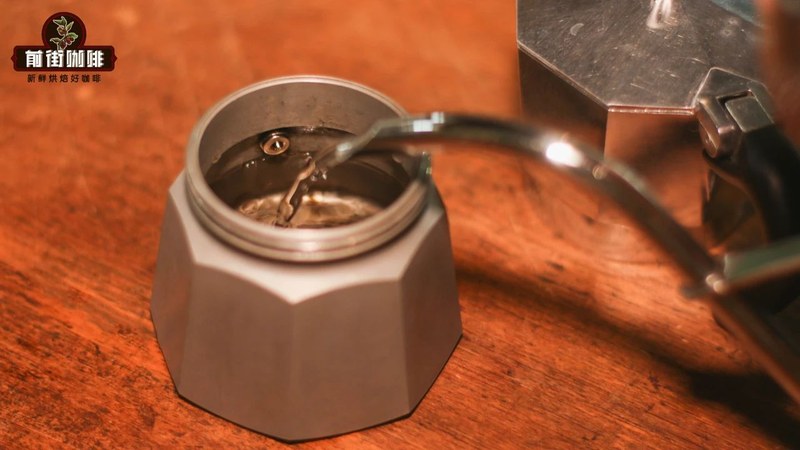
To experience the classic full-bodied character of dark roast beans, you can start with Indonesia’s Golden Mandheling. Roasted dark, this classic-origin bean showcases steady aromas of herbs, dark chocolate, and nuts, with almost no acidity and a distinct sense of weight and a lingering finish. When brewed under pressure with a moka pot, the richness becomes even more concentrated; even when simply brewed into a hot Americano, it retains the lingering depth reminiscent of dark chocolate.
If you prefer a touch of softness and sweetness even within a dark roast base, beans from Brazil’s Queen Estate are an outstanding representative of the medium-dark roast range. Their flavor profile is built on a foundation of nuts and cocoa, with sweetness as smooth as melted caramel and acidity that is light and understated. Whether you’re savoring its rounded balance through pour over, or crafting it into an espresso or moka pot concentrate, you’ll get a full and silky coffee liquid.
To more directly perceive the difference in roast levels, consider comparing with Ethiopia’s Yirgacheffe Guji Dingding. This Ethiopian bean, when roasted at a light to medium level, exhibits bright citrus, berry, and floral notes, with a light body and even a green-tea-like freshness in the finish. Even when cold brewed, the acidity remains gentle, yet still forms a stark contrast to the tone of dark roast beans.
In summary, if you’re seeking floral notes, fruity acidity, and a refreshing taste, light to light-medium roasts are your best choice; if you prefer nuts, cocoa, and a round, full body, medium-dark roasts better meet your needs; and if you love everyday black coffee that is low in acidity, rich, and packed with distinct roasty aromas, then the dark roast range is your ideal stage. Different roast levels aren’t just about color changes — they represent a complete shift in the focus of flavor.
Lastly, when purchasing dark roast beans, always pay attention to the roast date and the package’s seal integrity. Dark roast beans release a large amount of carbon dioxide right after roasting. It’s recommended to let them rest for 2–3 days after opening, allowing them to stabilize, before deciding the optimal drinking time based on aroma and cupping performance. As long as you choose the right roast range and pair it with suitable equipment and brewing parameters, dark roast coffee can also showcase delicate cocoa sweetness, nutty aromas, and a clean finish — completely moving away from the impression of one-dimensional bitterness.
The above content is compiled by CoffeeHunters, a coffee news website.

