








Introduction:When making a latte with coffee extracted using a moka pot, the roast level of the beans has a crucial impact on the overall flavor. From bright fruity notes to rich cocoa profiles, different roast styles paired with milk can yield vastly different taste experiences. This article will delve into the roles of light, medium, medium-dark, and dark roasted beans in moka pot lattes, and provide bean selection and brewing recommendations to help you find your perfect match based on personal taste.
Coffee extracted with a moka pot is generally more intense than that from a pour over, but lacks the thick crema produced by professional espresso machines. As such, the roast level plays a pivotal role when pairing with milk. Light roasts emphasize aroma and acidity, medium roasts offer sweetness and balance, while medium-dark and dark roasts deliver bold richness with cocoa and nutty tones. Understanding these differences can help you choose the most suitable coffee beans according to the flavor profile you desire.

If you prefer a bright and refreshing milk coffee, light roasted beans are a great choice. These beans often feature citrus, berries, floral notes, and even tea-like qualities. The coffee liquid itself is relatively light-bodied, and while adding milk softens it, it may not achieve the traditional thick texture of a latte. To preserve more of the coffee’s aromatic profile, you can reduce the milk ratio slightly to make the coffee’s fragrance stand out more clearly. When brewing, it’s recommended to use a slightly higher water temperature and a finer grind size—but be careful not to go too fine, as this can lead to over-extraction and sharp acidity. If the coffee tastes astringent or the aroma doesn’t fully develop, you can slightly extend the heating time. Additionally, milk is best heated to a warm, smooth state—too high a temperature can cause the fruitiness of light roasted beans to become thin.
Medium roasted beans are the top choice for many when it comes to moka pot lattes, as they strike a good balance between aroma, sweetness, and body. These beans typically have caramel-like sweetness and moderate richness, and even when combined with milk, they don’t easily mask the core flavors of the coffee. They’re suitable for those who enjoy milk coffee at various temperatures (hot or iced lattes). The flavors of medium roasted beans remain stable across different temperatures, without abrupt shifts.
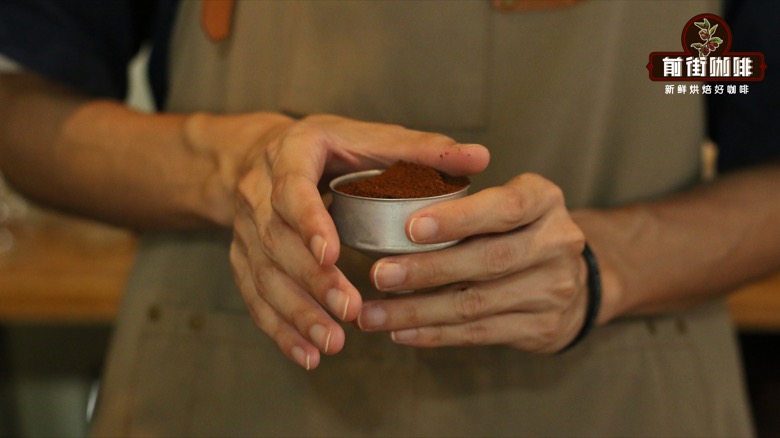
For example, some classic blends often showcase flavors like roasted nuts, cocoa, and syrupy sweetness. Coffee extracted with a moka pot tends to have a heavier body, and even after adding milk, the distinct coffee character remains clear. When making a hot latte, you can moderately increase the milk ratio; for an iced latte, it’s recommended to control the proportion of ice and meltwater to maintain the integrity of the cocoa and cocoa tones.
If you prefer a fuller, richer mouthfeel, medium-dark roasted beans are the ideal option. These beans usually offer flavors of brown sugar, chocolate, roasted nuts, and ripe fruit sweetness. Their flavor profile is less reliant on prominent floral or fruity notes, so even with a higher proportion of milk, they still exhibit a stable coffee aftertaste. Medium-dark roasts are suitable for breakfast pairings with desserts or bread, and also appeal to latte lovers seeking a bold flavor.
For instance, some medium-dark roasted blends deliver flavors reminiscent of dark chocolate and nuts, with subtle acidity and a steady sweetness. When extracted with a moka pot, the coffee liquid blends well with milk, performing nicely in both hot lattes and iced milk coffee. If the flavor feels too intense, you can adjust by increasing the milk amount rather than extending the extraction time.
Dark roasted beans are known for their intense roastiness and pronounced body, often presenting flavor characteristics similar to cocoa beverages when combined with milk. These beans are suitable for those who dislike high acidity and prefer a distinctly bitter-sweet taste. However, it’s important to note that excessive heat during moka pot brewing can amplify burnt bitterness. It’s recommended to use low to medium heat and stop heating as soon as the extracted liquid turns lighter in color.
If you prefer low acidity and want to avoid noticeable burnt bitterness, you can opt for beans that are medium-dark but have a gentler flavor profile—for example, certain blends from specific regions. These tend to have a rounded mouthfeel and mild sweetness, resulting in a clean and smooth balance when combined with milk. They’re suitable for those who don’t seek strong roastiness but still want a robust latte texture.
In practice, brewing parameters should be adjusted based on roast level: the darker the roast, the more attention needed to control late-stage extraction; the lighter the roast, the more heat required to fully release its aroma. When filling the coffee grounds, just ensure the filter basket is evenly leveled—the water level must never exceed the safety valve. It’s recommended to use low to medium heat. Once the coffee liquid starts flowing steadily, closely observe changes in flow rate and color. As soon as the color begins to lighten, remove from heat and rinse the bottom of the pot with cold water. This helps concentrate sweetness and avoid over-extraction.
Additionally, the amount of milk used also affects how roast flavors are expressed. Light roasted beans pair well with a small amount of milk to highlight their aroma; medium roasted beans suit a balanced ratio of coffee to milk; medium-dark and dark roasted beans can handle more milk, resulting in a richer, smoother texture. If you’re unsure of your personal preference, it’s recommended to start with medium or medium-dark roasts, then gradually adjust based on actual flavor experiences (such as acidity, sweetness, and body) to more easily find your ideal bean combination.
The above content is compiled by CoffeeHunters, a coffee news website.

