








Introduction:Coffee brewed with a Moka pot is rich and concentrated, but whether the acidity is prominent actually depends greatly on the roast level of the beans you choose. This article will explore how medium roast, medium-dark roast, and dark roast affect the balance of acidity and sweetness as well as the body of the coffee, while also providing practical bean selection tips and brewing techniques to help you make a smooth, full-bodied cup with the acidity playing a subtle role using a Moka pot.
The coffee brewed from a Moka pot is highly concentrated and bold due to high-pressure extraction, so the roast level of the beans directly determines your first impression. If you prefer a rounded mouthfeel with prominent sweetness and less assertive acidity, it’s recommended to focus your bean selection between medium roast and dark roast, then adjust further based on whether you add milk or desire a stronger flavor. In fact, compared to just looking at the origin name, the roast level can better help you quickly grasp the overall direction of the coffee.
Lightly roasted coffee beans typically retain more regional characteristics—floral, citrus, or berry-like bright and fresh notes tend to be more pronounced, resulting in an overall vibrant and light-bodied taste. However, when such beans are extracted under the high temperature and pressure of a Moka pot, the acidity can become even more amplified and concentrated. While this might be an interesting experience for those who enjoy crisp fruity acidity, if you wish to reduce the perception of acidity, light roast or light-medium roast beans are not recommended as your first choice. Even if the package is labeled as “light roast,” pay attention to whether the actual flavor leans toward the acidic side.
Medium-roasted coffee beans offer a relatively balanced option. After moderate roasting time, the initially harsh acidity becomes mellow, while aromas such as nuts, caramel, and cocoa gradually emerge. When brewed with a Moka pot, these beans also deliver good body and complexity. For those who prefer black coffee but don’t want a heavy mouthfeel, medium-roast single-origin beans are a great starting point. Even if you occasionally want to add some milk, medium roast beans can still maintain enough coffee aroma and body.
Medium-dark roast is more suited to those who enjoy a bold and intense flavor. These beans usually carry aromas reminiscent of roasted nuts, brown sugar, cocoa, and ripe fruit, with low acidity presence and a heavier mouthfeel than medium roast. Brewing them with a Moka pot can produce a richness close to that of espresso—even when adding hot milk, the coffee's body remains distinct, making it ideal for breakfast pairings or when you want a solid milk coffee in the afternoon.
Dark roast beans tend to lean more toward flavors of dark chocolate, caramel, smokiness, and baked notes, with acidity often taking a backseat. These beans are suitable for those who enjoy a blend of bitterness and sweetness with a long-lasting aftertaste, and they’re also great for making Moka pot Americanos. However, dark roast does not necessarily mean bitter—factors like the inherent quality of the beans, precision in roasting, and brewing method also play crucial roles. When selecting, you may prioritize reading flavor descriptions and look for terms such as cocoa, nuts, caramel, rather than relying solely on the label “dark roast.”
If you prefer the balanced taste brought by medium roast, you might consider trying beans with softer characteristics—for example, a certain bean from Papua New Guinea that has an overall mild style, non-aggressive on the palate, with clean sweetness and a pleasant mouthfeel. When using a Moka pot to brew it as a black coffee, it’s suggested to let it cool slightly before drinking, as the sweetness becomes more apparent; adding a small amount of milk can also maintain a refreshing profile without heaviness.
If you lean more toward the nut and cocoa spectrum, another Brazilian bean is worth considering. It showcases distinct nutty, cocoa, and caramel sweetness with very low acidity, making it well-suited to the high concentration characteristics of a Moka pot. The black coffee brewed from it has a rounded entry and a mellow caramel finish; when milk is added, the coffee and milk flavors blend naturally, making it perfect for beginners to establish a flavor foundation for Moka pot coffee.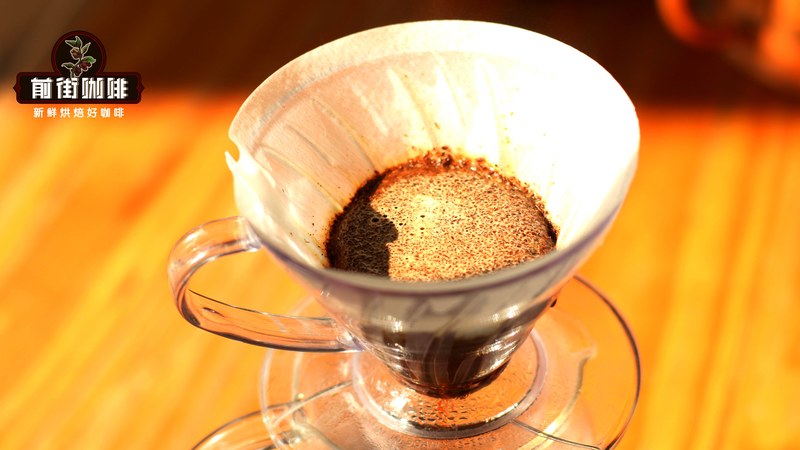
For those who daily enjoy the robust mouthfeel of dark roast, choosing an Indonesian bean variety with deep, rich aromas may better meet your expectations. These beans often carry herbal and dark chocolate tones, with a thick texture where acidity does not dominate the initial sip. After brewing with a Moka pot, you can directly dilute it with water to make a strong Americano; or, if paired with a higher proportion of milk, the cocoa-like aroma can become the star of your milk coffee.
When purchasing coffee beans, besides paying attention to roast level, be sure to check the roast date and specific roast descriptions on the packaging. Even beans labeled as “medium roast” can have vastly different final flavors due to variations in the roaster’s heat control and development time—some may lean toward nutty sweetness, while others may still carry noticeable fruity acidity. If your goal is to minimize acidity, it’s recommended to prioritize products whose flavor descriptions include keywords like cocoa, hazelnut, caramel, brown sugar, or full-bodied, and avoid those primarily highlighting citrus, berries, or grapefruit profiles.
Lastly, the flame control of the Moka pot also affects how the roast level is actually perceived. For medium roast beans, it is recommended to start with gentle heating to allow the sweet aromas to gradually release; whereas for medium-dark and dark roast beans, prolonged high heat should be avoided as it can easily lead to excessive roasted flavors that mask the underlying sweetness. When you notice the brewing liquid becoming lighter in color and hear the extraction sound becoming more vigorous, it’s time to turn off the heat, then you can pour the coffee into your cup and enjoy. As long as you choose the right roast direction and combine it with steady brewing techniques, a Moka pot coffee that is not acidic and full of sweetness can definitely become your daily delight.
The above content is compiled by CoffeeHunters, a coffee news website.

