








Introduction:Whether the coffee brewed with a Moka pot is rich, oily, and full-bodied is closely related to the roast level of the beans. This article delves into how light, medium, medium-dark, and dark roasts affect the flavor profile of Moka pot coffee—from the formation of body and crema, to extraction parameter adjustments, and suitable bean types—helping you find your ideal match and master stable brewing techniques.
When using a Moka pot, many people notice a delicate layer of foam on the coffee’s surface and experience varying degrees of richness and body in the cup. These characteristics are largely tied to the roast level of the chosen beans. Roasting not only influences the aroma and release of soluble compounds in the beans, but also directly affects the intensity and extraction speed of the coffee—making it one of the key factors that shape the overall flavor of a cup.
Generally speaking,Light roast beanstend to preserve more of the origin’s inherent character, such as bright floral notes, citrus, or berry-like tones. While they may not produce an intense oily mouthfeel when brewed in a Moka pot, with proper technique, they can still showcase vibrant acidity and clear fruitiness. However, because light-roasted beans have a tighter cell structure, it’s recommended to use a grind size slightly finer than pour over, and to avoid excessively high water temperature or prolonged extraction time—otherwise the acidity can become overly sharp. Additionally, if you prefer milk-based coffee, the subtle aromas of light roast might be overshadowed by milk, so enjoying it as a black coffee is often the best way to appreciate its unique traits.
Medium roast beansstrike a balance between aromatic expression and rich body. Common flavors such as nuts, cocoa, caramel, and ripe fruit sweetness are more likely to shine within this roast range. Compared to light roast, medium roast beans are easier to brew to a well-rounded strength in a Moka pot, without emphasizing roasted notes as heavily as dark roasts. For example, a renowned Brazilian coffee farm’s product is a classic representative of medium roast—it presents aromas of roasted nuts upon entry, followed by cocoa tones and a smooth, syrupy sweetness, with acidity playing a supporting role. When brewed with a Moka pot, the resulting coffee has a rounded and balanced mouthfeel, making it enjoyable on its own or paired with hot milk, all while maintaining its gentle harmony.
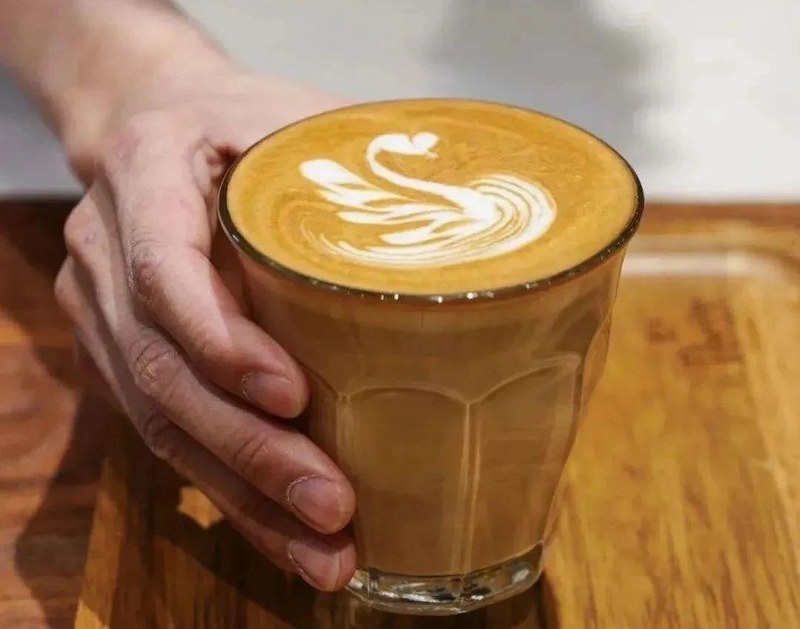
Moving intomedium-dark roast, the Maillard and caramelization reactions become more pronounced, with cocoa and chocolate notes becoming more prominent. The body thickness and the oily sensation in the crema layer are also more noticeable. This roast range is ideal for those who seek a fuller-bodied coffee but don’t want the smokiness or bitterness to dominate. It’s recommended to use low to medium heat to control the extraction, allowing the richness to build gradually and avoiding the premature release of unwanted impurities. This approach helps retain a rich flavor profile while ensuring a smoother mouthfeel.
As fordark roast beans, their flavor focus tends to lie on black chocolate, dark nuts, cocoa powder, and subtle woody notes, with acidity significantly muted and replaced by a stronger sense of body and intensity. These beans align well with the concentrated characteristics of Moka pot brewing, making them especially suitable for fans of American-style espresso, balanced bitter-sweet profiles, or classic milk coffees. It’s worth noting that oily texture does not equate to bitterness—the control of heat and extraction time still greatly influence the final taste outcome.
For instance, a Southeast Asian imported brand’s Indonesian Golden Mandheling is an excellent choice for dark roast enthusiasts. Its herbal notes are understated, while deep, black-chocolate-like hues and a substantial body take center stage, with gentle acidity. When brewed in a Moka pot, it’s well-suited for strong Americanos or pairing with milk. To enhance smoothness, you can shorten the final drawdown phase to avoid any astringent or dry aftertaste.
When selecting beans for your Moka pot, besides considering roast level, it’s also advisable to pay attention to the beans’ appearance, roast date, and packaging information. Although darker colors or slightly oily surfaces are often thought to be more suitable for Moka pot brewing, what truly affects the taste includes the beans’ density, grind uniformity, and freshness. It’s best to first clarify whether you prefer a bright, medium-bodied, or bold and intense cup, and then look for a roast level that matches your preference.
In practice, Moka pot brewing parameters should also be fine-tuned according to roast level: light roasts require enhanced extraction to bring out aroma and sweetness, medium roasts focus on maintaining balanced sweetness, and dark roasts benefit from lower heat and shorter extraction times to avoid over-extraction. When filling the filter basket, aim for an even distribution without compacting the coffee. Once the coffee liquid lightens in color and the dripping sound becomes louder, it’s time to turn off the heat, letting residual heat complete the final extraction—which helps improve overall clarity.
If you’re aiming for daily consistency in flavor, medium or medium-dark roasts are usually the easiest to manage. If you prefer a fuller, oilier mouthfeel or frequently make milk coffee, you might explore deeper roast levels. On the other hand, if you value origin-specific aromas and bright, tangy sweetness, light roast is a great starting point. The charm of the Moka pot lies in the fact that, even with the same equipment, beans of different roast levels can still yield distinctly different style characteristics.
In summary, if you want to brew coffee with rich crema and distinct flavors using a Moka pot, start by considering the roast level, then complement your approach with actual cupping experiences: Do you prefer the sturdiness of nuts and cocoa? The roundness of caramel sweetness? Or the vibrant, lively expression of aroma? Once you’ve identified your preferred flavor range, fix your brew setup—such as Moka pot size, coffee dose, and heat setting. When switching bean varieties in the future, you’ll be better equipped to discern each bean’s unique personality.
The above content is compiled by CoffeeHunters, a coffee news website.

