








Introduction:When brewing coffee with a moka pot, the roast level of the beans is one of the key factors that influences the flavor profile. From bright citrus and floral notes to rich cocoa and nutty tones, different roast levels not only alter the aroma but also directly affect the ease of extraction and the balance of mouthfeel. This article will guide you through the practical performance of light, medium, and dark roasts in a moka pot, and offer useful bean selection and adjustment tips to help you brew a bold cup of coffee that suits your personal taste more easily.
Coffee brewed with a moka pot is known for its concentrated aroma and full-bodied mouthfeel, both of which are closely related to the roast level of the coffee beans used. By choosing beans with different roast levels, you can not only highlight the flavors you prefer but also adjust the overall strength and layering of the cup—whether you favor bright, acidic fruitiness or deep dark chocolate and caramel notes, you can start with the roast level.
Lightly roasted coffee beans typically retain more of the original characteristics of their growing region, such as fresh floral notes, citrus acidity, or the vibrancy of berries. These qualities are more easily released and amplified during the heating process in a moka pot. However, due to the stronger heat and pressure, if the flame is too high or the extraction time is slightly too long, the acidity can become overly dominant and the mouthfeel may turn thin. Therefore, light roasts are better suited for coffee lovers who enjoy a clean, high-acidity and bright cup, but require careful control of heat and extraction timing.
Moving to medium roast, this is the preferred range for many moka pot users. At this stage, the coffee beans have a clearer sweetness while also possessing enough body to support the high-pressure extraction of the moka pot. The aromas of nuts, caramel, and mild cocoa can form a smooth flavor profile under heat, maintaining the body of the coffee whether enjoyed straight or with a small amount of milk. This roast level balances acidity, sweetness, and body, making it a suitable choice for daily drinking and more frequent use.
Medium-dark and dark roastsoffer a bolder flavor direction, including pronounced dark chocolate, deep nuts, and the aroma of toasted bread. The acidity recedes, replaced by a thicker, more enveloping mouthfeel. These beans can easily showcase a rich and deep personality in a moka pot, especially appealing to those who prefer black coffee without additives. Even when milk or syrup is added, the original flavor backbone of the coffee remains prominent and is not overshadowed.
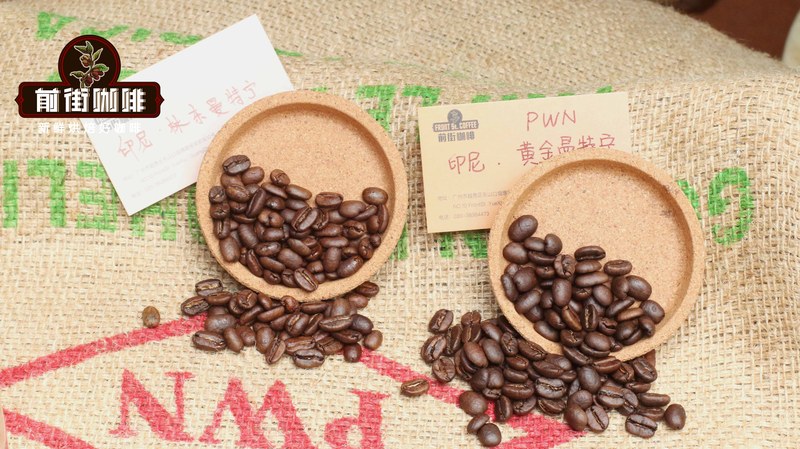
It’s important to note,a darker roast color does not necessarily mean bitter or harsh. Many people mistakenly assume that dark roasts inevitably bring intense burnt bitterness, but in reality, bitterness is more related to water temperature, grind size, heating speed, and extraction timing. When using dark roast beans, it’s recommended to adopt a gentler heating method and avoid grinding the coffee too finely. When you notice the coffee liquid becoming noticeably lighter in color, it’s a good time to stop heating. This helps preserve the cocoa and caramel aromas while reducing any unpleasant burnt or ashy notes.
If you enjoy bold flavors but don’t want an overly heavy roast character, you might want to considermedium or medium-dark roast blends. For example, some classic blend recipes often evoke images of roasted nuts, cocoa paste, and caramel, offering a rounded cup with noticeable sweetness. Brewing these with a moka pot and drinking them straight allows you to fully appreciate their aromatic integrity; adding hot milk can create a soft, nutty toffee-like mouthfeel, making it suitable for breakfast or an afternoon pick-me-up.
For readers who prefer the deep flavors of dark chocolate, you can try blends where the flavor profile leans towards cocoa, rich nuts, and a thick sweetness. These beans tend to have more restrained acidity, and the coffee brewed with a moka pot, whether served as a straight black coffee or mixed with a small amount of milk, can display clear layers. It is recommended to keep the milk ratio not too high to maintain the dominance and depth of the coffee flavor.
If you’re looking for a low-acid, rounded cup that doesn’t emphasize dark roast characteristics, pay attention to beans with a medium roast level that feature clean aromas and a gentle mouthfeel. These coffees often present a mild connection between ripe fruit and nuts, and after being brewed with a moka pot, allowing the coffee to cool slightly can make the sweetness more apparent. Whether enjoyed straight or with a touch of foam, they can deliver a well-balanced drinking experience.
For beans of different roast levels, there are also several practical tips for using a moka pot: for light roasts, you can slightly increase the water temperature and maintain a stable flow rate to better showcase the aroma; for medium roasts, it’s recommended to control the flame so that sweetness and smoothness take center stage; as for dark roasts, it’s advised to shorten the high-temperature extraction time to avoid over-extraction. Additionally, regarding grind size, it’s suggested to start with a grind that is “slightly coarser than espresso” and then adjust based on the actual extraction concentration and aftertaste.
When purchasing coffee beans, it’s advisable to pay attention to theroast date, roast level indication, and flavor descriptionon the packaging. Since the moka pot has higher requirements for coffee concentration and freshness, the storage condition of the beans, the ability of the ground coffee to retain aroma after grinding, and the evenness of coffee bed packing all directly impact the final extraction. If you’re trying bold flavors for the first time, it’s recommended to start with a medium roast to establish a flavor baseline, and then gradually explore lighter or darker beans according to your personal preference to experience the shift in flavor focus.

In summary, the roast level is not just a matter of personal preference but also a key factor that influences the flavor direction of moka pot coffee. Light roasts highlight brightness and fruitiness, medium roasts balance sweetness and body, and dark roasts enhance cocoa and roasted characteristics. As long as you master the selection of roast levels and basic adjustment techniques, you’ll be able to brew a bold cup of coffee with your moka pot that’s closer to your personal taste.
The above content is compiled by CoffeeHunters, a coffee news website.

