







Introduction:From bright fruity notes to rich chocolate undertones, the roast level of espresso beans directly influences the aroma profile and flavor performance of the shot. This article delves into the differences among light, medium, and dark roasts—covering flavor characteristics, suitable beverage types, extraction tips, and practical buying advice—to help you find the most suitable espresso beans based on your taste preferences.
The soul of espresso largely depends on the roast level of the coffee beans. Light, medium, and dark roasts not only shape the aromatic foundation of the shot—from bright fruitiness to deep cocoa notes—but also directly affect sweetness release, acidity expression, and mouthfeel. Mastering the traits of these three roast styles, combined with your preference for black coffee or milk-based drinks, can significantly improve the accuracy of bean selection and extraction.
Light Roast BeansRenowned for preserving the origin characteristics of the coffee-growing region, light roast shots often feature citrus, berries, delicate floral notes, or even a tea-like freshness. The cup is bright and refreshing, with flavor layers gradually unfolding as it cools. However, these beans require precise grind size, water temperature, and even distribution for optimal results, and only espresso machines with stable performance can showcase their subtle nuances. Ideal for those who seek fruit-forward Americanos or short espresso shots, coffee enthusiasts willing to take time to appreciate evolving flavors may start here.
Medium Roast BeansStriking a balance between aromatic richness and body fullness. When extracted, they typically present caramel sweetness, nuttiness, mild cocoa notes, and mature fruit flavors, with soft acidity that doesn’t overpower, resulting in an overall smooth and easy-drinking cup. For versatile coffee drinkers who enjoy both pure espresso and frequent lattes, medium roast offers flexible adaptability—with higher tolerance for adjustments in grind size and brew ratio, making daily use more convenient.
Dark Roast BeansShift their flavor focus distinctly toward dark chocolate, roasted nuts, caramel sweetness, and subtle woody tones, with acidity almost disappearing and a more grounded, robust mouthfeel. Their shots often have a pronounced body, maintaining a clear coffee base even when paired with plenty of milk. Users preferring a thick texture, low acidity, and bold roasty aromas should focus on medium-dark to dark roast beans, and consider shortening the extraction time to enhance sweetness.
Take a classic medium-dark blend as an example: such beans usually carry a base of roasted nuts and dark chocolate, followed by a rounded sweetness akin to caramel. The shot has a thicker texture, not thin when made into an Americano, and creates a striking contrast with milk, making it particularly suitable as a daily choice for breakfast or commuting.
Another blend based on Brazilian Cerrado and Colombian Huila showcases a coherent transition of nuts, caramel, and cocoa. Compared to dark roasts that emphasize intense roasty notes, its aroma profile is richer—delivering clear sweetness in black coffee and ample structure in milk drinks, making it a good reference for medium roast lovers who switch flexibly between espresso and latte.
The ultimate expression of dark roast style can be seen in beans where acidity is restrained, and herbal notes along with dark chocolate tones stand out. These beans produce a steady-bodied shot when brewed as short espresso in an espresso machine, gradually unfold in aroma when made into an Americano, and retain an even fuller body when brewed with a moka pot. Coffee enthusiasts seeking mature, intense flavors can use these dark roast beans as a flavor benchmark.
It’s important to note that roast level should be adjusted in coordination with drink ratios. For pure espresso made from light roast beans, it’s recommended to use a smaller cup size (e.g., 25–30 ml) to concentrate the aroma, or dilute with water to make a refreshing Americano; medium roast beans are highly compatible, suitable for both solo drinking and pairing with a small amount of milk (e.g., 1:1 to 1:2 ratio); dark roast beans are ideal for milk-heavy drinks (1:3 or more), such as lattes and flat whites, where their full body can effectively support the milk’s aroma.
Beginners are advised to start with medium or medium-dark roast beans, as the flavor feedback at this roast level is more intuitive, facilitating observation of the effects of grind size and extraction time adjustments. If the shot tastes sharp or sour, the extraction time may be too short; if a noticeable dry or bitter finish appears, reduce the dose or shorten the extraction duration. Light roast beans require more patience for flavors to unfold, while dark roast beans call for avoiding high temperatures or over-extraction that lead to burnt bitterness—the operational logic for both is quite different.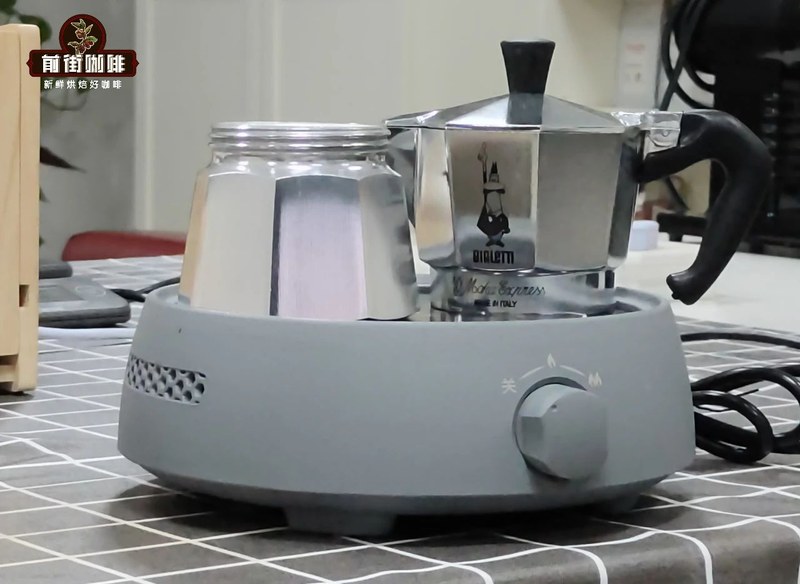
When purchasing, be sure to check the packaging for the roast date (preferably within 7–21 days post-roast), recommended brewing devices (such as home semi-automatic machines/capsule machines), and detailed flavor descriptions. It’s essential to understand that roast level is not a measure of quality but a key clue to flavor direction: light roast emphasizes aroma and vibrant acidity, medium roast highlights sweetness and balance, and dark roast focuses on intensity and a full body. After selecting your target style, trying 2–3 beans within the same roast range consecutively will usually help you quickly find espresso beans that align closely with your personal taste.
The above content is compiled by CoffeeHunters, a coffee news website.

