








Introduction:When selecting an espresso blend, the roast level is one of the key factors that influence the final cup profile. Understanding the differences between light, medium, medium-dark, and dark roasts can help you choose the beans that best suit your personal taste preferences. This article will provide a detailed analysis of how various roast levels affect aroma, sweetness, acidity, and body, along with practical advice to help you make an initial judgment based on roast appearance and flavor descriptions—reducing the chances of buying the wrong beans.
The roast level of an espresso blend directly impacts the overall performance of the shot, including the complexity of its aroma, strength of sweetness, mouthfeel thickness, and length of aftertaste. For those new to home brewing, if you find information about origin and processing methods too complex, you might start by looking at the roast level indicated on the packaging—whether it leans toward light, medium, or darker roasts. This simple assessment can help you anticipate the flavor direction of the coffee and reduce the chance of disappointment once you bring it home.
Light Roast BlendLight roast blends typically retain more of the original characteristics of the coffee’s origin, often exhibiting a bright and vibrant acidity. Common flavors include citrus, berries, delicate floral notes, and even tea-like finishes. When used in espresso machines, these beans tend to produce more pronounced and clear aromas, but they also have a lower margin for error during extraction—they’re more sensitive to grind uniformity, water temperature, and flow rate. If you prefer black coffee, can tolerate brighter acidity, and are willing to fine-tune your brewing parameters, you might want to start with alight-to-medium roast blendto explore this style.

If you’re looking for noticeable sweetness without overly dominant acidity,a medium roast blendis usually a more approachable choice. These roasts often emphasize warm, comforting flavors such as caramel, nuts, and cocoa. The resulting espresso tends to have a solid body, and even when brewed as an Americano, the sweetness remains prominent. Even with a small amount of milk added, the core coffee flavors are not easily overshadowed. For those new to espresso, this roast range tends to deliver more intuitive and easy-to-understand results.
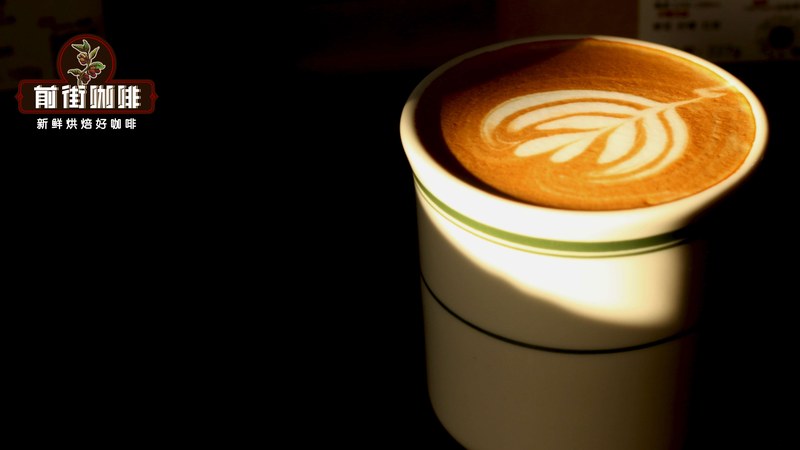
Moving further tomedium-dark roast blends, the focus shifts toward a heavier mouthfeel and a longer, lingering aftertaste. Common flavor notes include roasted nuts, dark brown sugar, dark cocoa, or caramelized tones. Acidity is generally more restrained, and the espresso has a fuller texture. When combined with milk, it delivers a smooth yet structured mouthfeel. If you regularly drink lattes, flat whites, or iced americano, this type of blend is worth considering—especially if you prefer a coffee where the main flavor profile stands out clearly.
As fordark roast beans, they often appear much darker in color with a more pronounced surface oiliness. The flavor tends to resemble dark chocolate, rich nut pastes, or even notes of caramelized brittle. It’s important to note that dark roast does not automatically mean “bitter.” The intensity of bitterness also depends on factors such as water temperature, brew ratio, and extraction time. When trying dark roast for the first time, starting with a slightly lower water temperature and shorter extraction time can help preserve sweetness and body. Over-extraction may lead to dry or astringent notes in the finish.
It’s also worth highlighting that terms like “medium roast” or “medium-dark roast” used on commercial packaging are not standardized across the industry—definitions can vary slightly among different roasters. When purchasing, besides reading the roast level description, also pay attention to the flavor notes: if the package mentions nuts, cocoa, or caramel, it often indicates a smoother, rounder cup; if berry, citrus, or floral notes are listed, the blend may retain more vibrant aromatic characteristics. Additionally,roast dateis another important reference—properly rested espresso beans usually yield more stable extraction results.
The medium roast blend () paired with medium-dark roast blends (), can serve as a visual reference for flavor profiles, helping you make more informed choices when selecting.
When making an actual purchase, it’s recommended to first narrow down your choices based on your preferred roast level, then confirm whether the packaging indicates suitability for espresso brewing and includes a clear roast date. Light-to-medium roasts are ideal for those who enjoy exploring acidity-sweetness dynamics and nuanced aromas; medium roasts suit consumers seeking balanced flavor profiles; while medium-dark to dark roasts are better suited for those who prefer bold, rich flavors that pair well with milk. Once you’ve chosen a direction, consider starting with a small pack to test—note the body, sweetness, and acidity you enjoy, so you can more accurately select a blend that matches your personal taste next time.
The above content is compiled by CoffeeHunters, a coffee news website.

