








Introduction:The flavor of a latte depends on the roast level of the coffee beans—ranging from bright fruity notes to deep chocolatey tones, different roast degrees offer distinctly varied taste experiences. This article will delve into how light, medium, medium-dark, and dark roasted beans perform in lattes, helping you find the right coffee beans based on your taste preferences, along with practical brewing suggestions and reminders about common pitfalls.
The deliciousness of a latte comes from the perfect balance between coffee and milk. However, while milk adds sweetness and a silky texture, it can also mute the coffee’s original acidity and delicate aromas, making roast level a key factor in the final cup’s flavor. If you prefer a stronger coffee presence, start with a medium-dark roast; if you enjoy a mellow and sweet profile, a medium roast is a good starting point; and for those who love bright fruitiness, a light roast can also create uniquely flavorful lattes.
Lightly roasted coffee beans typically retain more distinctive regional flavor characteristics, often described as citrus, berries, delicate floral notes, or even tea-like qualities. When such beans are combined with milk, their originally bright acidity and fruity notes are softened, resulting in a rounder mouthfeel. However, since the body of the coffee liquid is usually not as full as that of dark roasted beans, it’s recommended to reduce the proportion of milk slightly during preparation to allow the espresso or espresso shot to fully showcase its layered flavors—making this an especially suitable choice for those who prefer a refreshing taste.
Medium roast strikes a balance between bright fruitiness and rich body, providing both clear sweetness and a good level of intensity. Lattes made with beans at this roast level often feature aromas of nuts, caramel, and cocoa, which naturally blend with milk, resulting in a smooth and not overly heavy drinking experience. For consumers who enjoy both black coffee and milk-based coffee, medium roast is often the easiest to adapt to, and its flavor transition is relatively intuitive and easy to understand.

Increasing the roast level further to medium-dark enhances roasted aromas, chocolate notes, and nuttiness, while acidity tends to become more restrained and the body of the coffee liquid more pronounced. Even when milk is added, beans at this level still maintain a clear presence, making them particularly well-suited for lovers of intense lattes, thick milk lattes, or drinks with higher foam ratios. If your recipe uses a larger amount of milk, medium-dark roast can more effectively support the overall flavor balance.
Dark roasted beans often carry a noticeable bitterness and strong roasted aroma, but whether they ultimately taste bitter or burnt still depends greatly on grind size, extraction water temperature, and time. When making a latte, it’s recommended to shorten the extraction time of the coffee liquid and keep the milk temperature within a comfortably warm range, which helps reduce the amplification of burnt or bitter flavors. If you enjoy the richness of dark chocolate, the aroma of roasted nuts, and a strong finish, the dark roast direction is worth exploring further.
If you want a latte with stable and enticing nutty sweetness, look for blends using Brazilian and Colombian beans. Such recipes usually focus on roasted nut, caramel sweetness, and cocoa notes, with an overall flavor profile that flows smoothly and naturally. Medium to medium-dark roasts perform especially well with espresso machines, and can also be brewed using a moka pot, then mixed with hot milk to easily create a balanced homemade milk coffee at home.
For those seeking a bold yet low-acid style, try Golden Mandheling from Indonesia. This bean presents woody herbal notes, dark chocolate, and a full body in the cup, with relatively subdued acidity. When using an espresso machine, it’s recommended to pair it with a smaller amount of milk to make a short latte; if brewed with a moka pot, its steady aroma and long-lasting aftertaste can be preserved more fully.
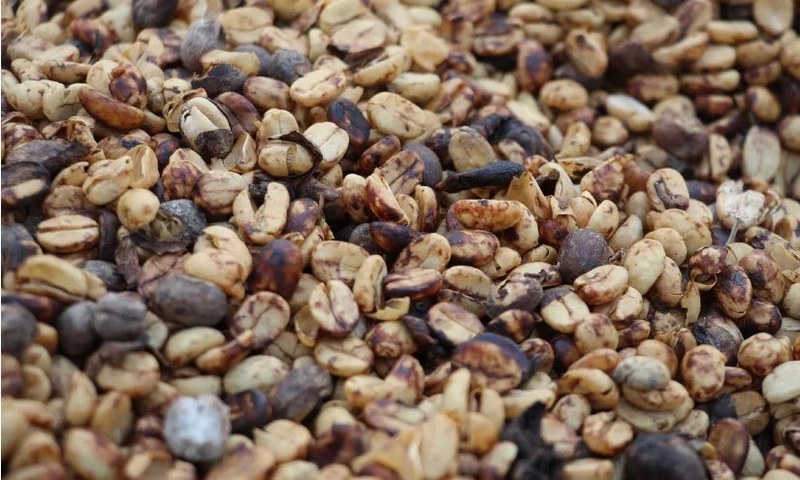
If you’re looking for a bean that can easily integrate into your daily milk coffee routine, consider classic blends centered around roasted nut, cocoa, and caramel flavors. These beans generally have good concentration, maintaining clear coffee aromas even after milk is added. When using an espresso machine to prepare a standard latte, it’s recommended to start with a medium amount of milk, and then gradually adjust the milk ratio if you prefer a stronger milky flavor.
When selecting a roast level, don’t forget to check the roast date and usage recommendations on the packaging. Light roast beans are more sensitive to extraction details and require more precise adjustments to grind size and water temperature; medium roast beans have a relatively broad adaptability, making them suitable for establishing stable brewing recipes; while medium-dark and dark roast beans should avoid excessive heat and over-extraction to prevent amplifying undesirable flavors. When using a home espresso machine, you may first keep the coffee dose unchanged, then fine-tune based on the extraction concentration and in-mouth balance.
In summary, there is no one “best” bean for lattes—the key lies in the flavor profile you wish to achieve—whether it’s bright and light, balanced and smooth, or rich and full-bodied. If you love fruity and light notes, light roast is the ideal choice; if you prefer caramel sweetness and a silky mouthfeel, medium roast better meets your needs; and if you’re after chocolate, nuts, and a strong coffee expression, medium-dark or dark roast are directions not to be missed. Once you’ve clarified your personal taste preferences, adjust according to milk ratio and brewing equipment, and every sip in your cup will come closer to your ideal latte flavor.
The above content is compiled by CoffeeHunters, a coffee news website.

