







Introduction:Light-roast coffee beans are renowned for their bright acidity and floral notes, making them ideal for coffee enthusiasts who love pour over and cold drinks. This article takes an in-depth look at how to choose the right light-roast floral beans for you—from flavor profiles to brewing parameters—and provides practical pour over and cold brew tips to help you find your perfect match.
The most captivating aspect of light-roast coffee beans often reveals itself the moment you open the bag and pour hot water. Fresh floral, citrus, berry, and even tropical fruit aromas greet you, with a vibrant acidity on the first sip and a delicate sweetness lingering in the aftertaste. These coffees are especially suited for those who enjoy pure black coffee, focus on the details of pour over, or use coffee as a moment of relaxation in the afternoon. As the temperature changes, so does the layering of flavors, offering a unique experience with every sip.
When selecting light-roast floral beans, it’s recommended to think of “light roast” as a method that preserves the origin’s original flavors, rather than simply pursuing high acidity. A relatively lighter roast level allows the beans’ inherent aromas to shine more distinctly; if the roast is slightly darker, the floral notes may be more restrained, but the fruit sweetness, tea-like qualities, and mouthfeel richness become more pronounced. So when choosing, ask yourself: do you prefer a refreshing and lively flavor profile, or one that is smooth and layered with lasting complexity?
If you’re a fan of bold fruitiness and expressive aromas, a certain well-known coffee brand’s Ethiopian Huika is definitely worth trying. Upon brewing, tropical fruit and red berry aromas are quickly released, along with a hint of passionfruit-like freshness, making the entire cup feel very vibrant. When using a pour over dripper, it’s recommended to use a slightly higher water temperature and employ clear, segmented pouring techniques to help the flavors unfold. If brewed as an ice drip or over ice, its sweet and acidic balance becomes more akin to a fruity cold drink—perfect for summer.
For those who enjoy bright acidity but don’t want an overly sharp aftertaste, a certain well-known coffee brand’s Kenyan Little Tomato is worth considering. The fruit profile of this bean leans toward red cherry tomatoes, dark plums, and a touch of light brown sugar, offering a refreshing entrance followed by a syrupy sweetness in the finish. It’s great for a morning pick-me-up when hot brewed, while an iced pour over accentuates its juice-like mouthfeel, making it ideal for hot afternoons or whenever you need a refreshing boost.

Light-roast floral beans aren’t all about bold and expressive profiles. For example, a certain well-known coffee brand’s Kaffa Forest presents a completely different, more understated personality. Aromas of orange and ripe apricot intertwine, with a finish reminiscent of the gentle sweetness of oolong tea. The overall mouthfeel is light, and as the temperature drops, the sweetness gradually emerges. It’s perfect for slowly savoring at home via pour over, and also serves as an ideal entry point for those not accustomed to strong acidity.
When reading flavor descriptions, pay close attention to where “floral” notes are positioned. If floral is noted in the initial aroma or first impression, it typically means the beans exhibit noticeable floral characteristics upon sniffing and initial sipping, often accompanied by bright flavors such as citrus or berries. If floral notes appear in the aftertaste description, these aromas tend to be more subtle and usually become more apparent only after the coffee cools slightly. If you’re drawn to soft floral scents like jasmine or orange blossom, opt for light-roast beans with a clear flavor profile and a relatively refreshing taste.
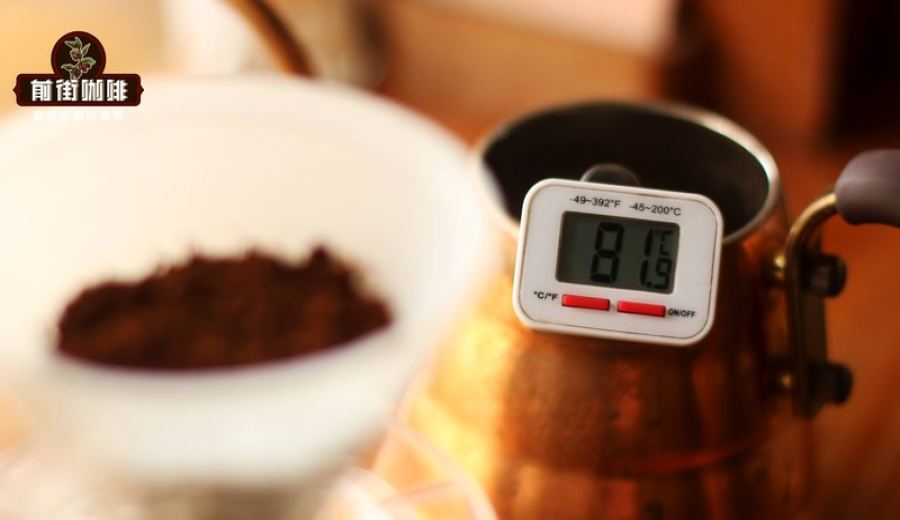
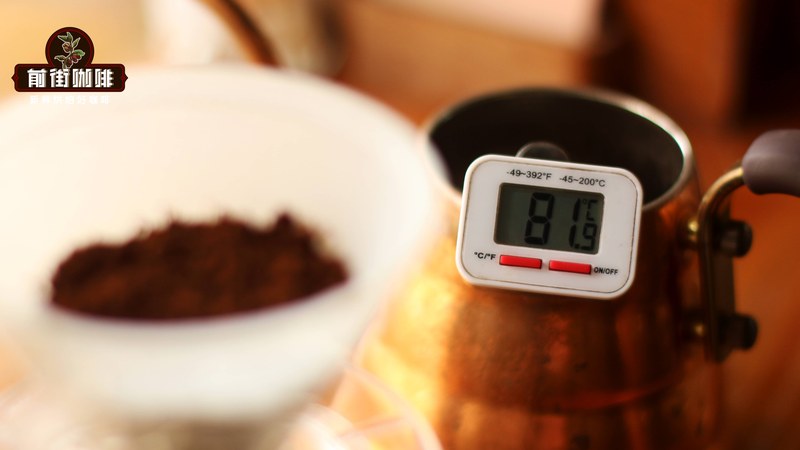
Water temperature is one of the key factors affecting the performance of light-roast beans. Too low a temperature may cause the acidity to dominate and the sweetness to fall short, while too high a temperature can enhance aroma and sweetness but may lead to an overly heavy aftertaste if not controlled properly. For home pour over, it’s generally recommended to start with a temperature between 92–95°C (197–203°F), then fine-tune based on actual taste. If the acidity feels too sharp, try a slightly finer grind or extend the brew time; if it tastes dry or astringent, adjust in the opposite direction.
Grind size also greatly affects the clarity of floral notes. If the grind is too coarse, water passes through too quickly, potentially leaving only a thin acidity and faint aroma. If too fine, bitterness can emerge, obscuring the originally refreshing fruit and floral tones. It’s recommended to use a consistent brew ratio, adjusting only the grind size each time, and brewing two to three times to carefully compare differences in aroma, sweetness, and aftertaste, gradually identifying the range that best suits your taste.
Iced pour over and cold brew are also excellent methods for experiencing light-roast floral beans, though they present slightly different flavor characteristics. Iced pour over retains a stronger aromatic impact, making it ideal for enjoying the evolving layers of acidity and sweetness as you take in the fragrance before drinking. Cold brew, on the other hand, delivers a smoother, rounder acidity and a silkier mouthfeel, with fruit aromas that tend to be more subdued. For instance, a certain well-known coffee brand’s Ethiopian Huika is highly suitable for making a refreshing iced drink, whereas their Kaffa Forest is great for refrigeration and sipping over time, allowing you to appreciate the lingering and shifting sweetness.
When purchasing, you might also consider your own consumption pace and storage methods. Once opened, light-roast beans will gradually transform in aroma, so it’s advised to store them properly sealed, away from light, and minimize air exposure. Take out just the amount you need each time, smell the dry grounds first, then compare the flavors of the hot brew and the cooled version. As long as you find the floral intensity, acidity profile, and brewing method that suit you, light-roast coffee won’t just be a novelty—it can become your daily brewing companion.
The above content is compiled by CoffeeHunters, a coffee news website.

