







Introduction:Brazil is a globally renowned coffee-growing region, and its beans offer a wide range of flavors, making them suitable for various brewing methods. Understanding how roast levels influence the acidity-sweetness balance, aroma, and mouthfeel of Brazilian coffee can help you choose beans that better suit your taste. This article will guide you through light to dark roasts, highlighting the characteristics and brewing tips of each roast style.
The reason Brazilian coffee beans are so popular lies in their mild acidity, rich nutty sweetness, and smooth, velvety mouthfeel. Whether you prefer simple Americanos, detail-oriented pour overs, or frequently drink milk-based drinks like lattes, Brazilian beans demonstrate impressive versatility. If you want to select beans that more precisely match your taste preferences, "roast level" is a highly practical reference point.
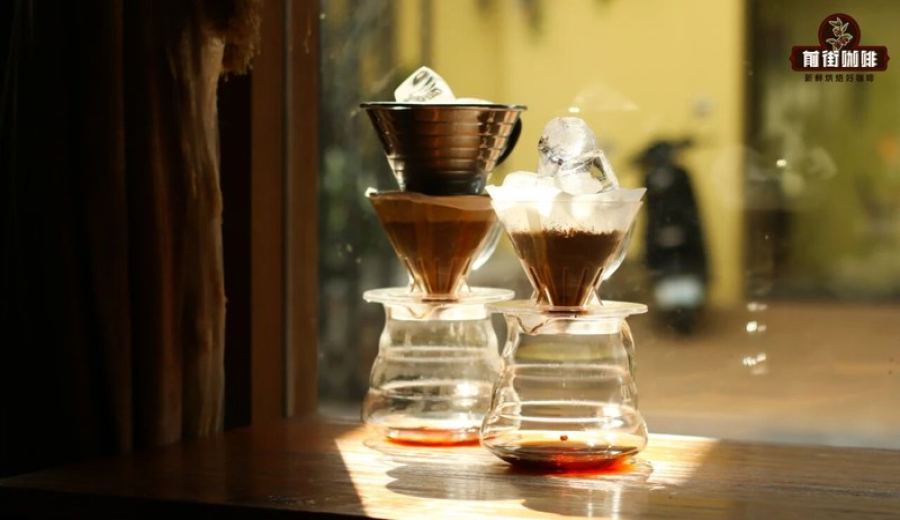
If you enjoy bright, refreshing coffee with vibrant acidity and floral-fruity aromas, lightly roasted Brazilian beans are a great option to try. This type of roast usually retains more fruit acidity and natural aromatics, resulting in a light-bodied cup with lively aromatic expression. When using a filter dripper for pour over, there’s no need to lower the water temperature too much—start with a medium-fine grind, which helps release fruity sweetness and aroma, making it especially suitable for spring and summer consumption.
It’s worth noting that lightly roasted Brazilian beans typically don’t have as sharp an acidity as some African origins; instead, they feature a stable nutty base note with soft sweetness. If you find the brewed coffee has slightly pronounced acidity, consider slightly coarsening the grind or reducing water agitation to achieve a rounder overall mouthfeel. For black coffee drinkers or those wanting to gradually explore fruitiness from a nutty foundation, lightly roasted Brazilian beans make a great entry choice.
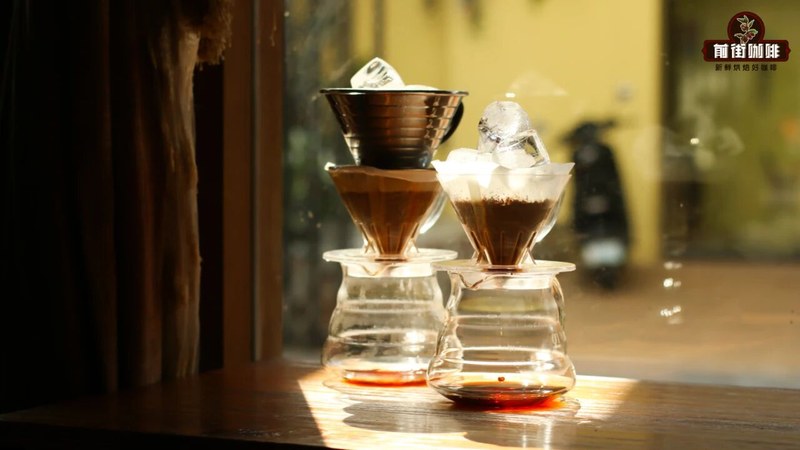
Medium-roasted Brazilian beans are the style most people find easiest to accept and enjoy. This roast level allows nutty, cocoa, and caramel-like sweetness to become more concentrated, while the acidity remains relatively mild, resulting in a rounded, full-bodied mouthfeel that’s not overly heavy. For example, the often-recommended “Brazilian Queen Estate” is one representative of this style. After brewing, you can clearly sense distinct nutty and cocoa aromas paired with a gentle caramel sweetness, offering a balanced profile without cloying.
When using the pour over method for medium-roasted Brazilian beans, it’s recommended to focus on highlighting sweetness and smoothness—not necessarily pursuing extremely high water temperatures or fast extraction. When served hot, the warm notes of cocoa and nuts are particularly appealing, while cooling down often makes the sweetness more pronounced. If you regularly drink both black coffee and milk-based drinks like lattes, medium-roasted beans offer considerable flexibility.
Medium roast is also very suitable for making Americanos. When the espresso is diluted with water, the nutty and cocoa foundation remains intact, while the subtle acidity adds layering and vibrancy, preventing the cup from becoming monotonous. When using an espresso machine, you can start with a common coffee-to-water ratio, then fine-tune the grind size based on actual taste experience—for instance, if it feels too acidic, thin, or overly dry—to further enhance sweetness.
If you usually drink more milk-based drinks like lattes or flat whites, or brew at home using a moka pot, then medium-dark roasted Brazilian beans are worth considering. This roast level brings out more pronounced cocoa, roasted nut, and caramel aromas, and the coffee liquid also has a thicker mouthfeel. Even when milk is added, the clear coffee character remains, making it suitable to pair with breakfast breads, biscuits, or even chocolate desserts.
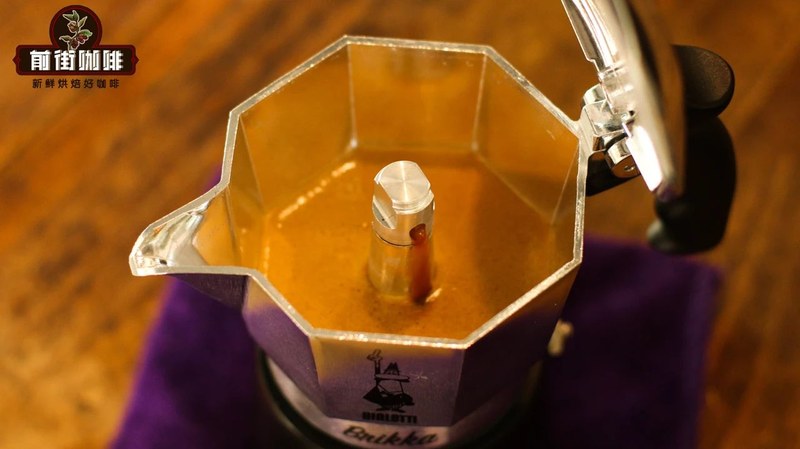
Opting for dark roasted Brazilian beans takes you into a richer, lower-acidity realm with prominent roasted flavors. These beans often carry intense bitter-sweet profiles, appealing to coffee lovers who prefer strong and dark roast flavors. However, special care is needed during brewing—it’s important not to let the coffee grounds sit in hot water for too long, as this can amplify burnt bitterness and dryness. If using a moka pot, it’s recommended to use a slightly coarser grind and control the heat. Once the extracted liquid’s color begins to lighten, you should stop heating immediately.
It’s worth mentioning that dark roasted Brazilian beans aren’t only good for milk-based drinks. Even when used for short extractions of black coffee or mixed with a small amount of hot water, you can still appreciate layers of cocoa, dark sugar, and roasted nut flavors. If you find the flavor too intense, you can moderately increase the water amount or reduce the coffee dose to dilute it; if you prefer a thicker mouthfeel, you can reduce the dilution ratio to retain more richness and flavor intensity in the coffee liquid.
In summary, when selecting Brazilian coffee beans, it’s advisable to consider both the roast level indication and the brewing equipment you use at home. Filter drippers are generally suitable for light or medium roasts, helping highlight aroma and sweetness; while espresso machines and moka pots are more compatible with medium and medium-dark roasts. If you primarily drink milk-based drinks, you may want to prioritize the body and cocoa-nutty characteristics of the coffee liquid.
Additionally, the same coffee bean can showcase different flavor emphases under varying brew water temperatures. Freshly brewed coffee tends to have more vibrant aromas, while slightly cooled coffee highlights sweetness and texture more distinctly. It’s recommended that when choosing, you might start with medium-roasted Brazilian beans, then gradually explore lighter or darker roasts based on your personal taste preferences, to find the one that best fits your daily routine.
The above content is compiled by CoffeeHunters, a coffee news website.

