








Introduction:Medium-light roasted Yirgacheffe coffee is renowned for its vibrant floral notes, citrus acidity, and tea-like aftertaste, making it suitable for various brewing methods such as hot pour over and cold brew. This article explores roast levels, processing method differences, and practical brewing tips to help you find the Yirgacheffe beans that best suit your taste, along with useful pour over advice and flavor identification methods, allowing you to easily enjoy the versatile charm of this classic African bean.
Medium-light roasted Yirgacheffe always captivates coffee lovers’ palates with its fresh, bright floral aroma, lively citrus acidity, and delicate tea-like finish. These beans don’t rely on the intense bitterness brought by dark roasting to stand out; instead, they shine through refined sweetness and nuanced layers, offering enjoyment from the first cup in the morning to an afternoon break. For those just starting to explore black coffee, it’s also an excellent choice for developing the palate.
The so-called “medium-light roast” cannot be judged solely by color. Lighter roasts emphasize the origin characteristics of the beans, often showcasing more vibrant acidity and aroma, while slightly medium roasts gradually enhance sweetness, body, and overall roundness in mouthfeel. When Yirgacheffe falls between these two, it can retain distinct floral and fruity notes without being overly sharp, making it quite friendly for everyday pour over.

Even if labeled as medium-light roasted, Yirgacheffe from different batches or processed differently may vary greatly in taste. For example, beans with shorter roasting times often carry refreshing notes of lemon, citrus, white flowers, or even tea-like aromas; while beans with slightly higher development tend to show softer sweetness resembling ripe fruit, honey, or brown sugar. If you prefer a clean, bright profile, go for lighter roasts; for a smoother, more mellow cup, consider those slightly leaning toward medium roast.
Processing methods also significantly influence Yirgacheffe’s flavor profile. Washed Yirgacheffe typically presents clean, crisp floral, citrus, and black-tea-like notes, with a well-defined acidity and a tea-like freshness. In contrast, naturally processed versions tend to highlight berry, tropical fruit, and fermented sweetness, resulting in a fuller, richer cup. For those new to exploring such flavors, starting with washed beans helps better identify regional characteristics; if you enjoy jammy, intense profiles, natural beans are a great choice.
If you’re used to brewing hot pour over, medium-light roasted Yirgacheffe is an excellent entry point for black coffee. It’s recommended to use medium-to-high water temperature to fully release the aroma, but be cautious as too high a temperature may make acidity overly tense—start from 90°C to 93°C, then fine-tune based on actual sweetness and whether the finish feels dry. Try to pour gently and evenly to help the floral notes present more cohesively and with layered complexity.
For readers who enjoy iced coffee, medium-light roasted beans also perform well. Iced pour over can suppress some acidity, making citrus, berry, and floral notes more crisp and clean; while cold brew results in a softer overall mouthfeel with more noticeable sweetness. If you prefer a clean, direct taste, try adding ice directly; for preserving more aroma layers, you can first extract a more concentrated hot brew and then pour over ice—the flavors will still shine through.
When selecting medium-light roasted Yirgacheffe, you can refer to flavor descriptions divided into two main categories: notes like jasmine, orange blossom, bergamot, and lemon usually represent fresh, light aromas; while strawberry, blueberry, grape, and apricot are more associated with juice-like sensations and ripe sweetness. If you’re less familiar with or sensitive to pronounced acidity, consider beans described with black tea, honey, or ripe fruit notes, as these tend to offer a smoother, more balanced cup.
For instance, the natural version of the Gesha from Granja La Esperanza is one of the more intense representatives among medium-light roasts. This bean may showcase sweet aromas like orange blossom, guava, apricot, and even strawberry jam, with concentrated fruitiness and rich layers. When brewed using pour over, reducing agitation appropriately can help clarify the aroma layers; switching to iced pour over will bring out a livelier ripe fruit character, perfect for summer.
If you prefer a more juice-like, tangy and sweet profile, Colombian Sidamo is another worthwhile example. This bean features prominent fruit flavors such as passionfruit, blueberry, grape, and apricot, with a lively, energetic mouthfeel, making it ideal for iced pour over, cold drip, or even as a single-origin espresso base for iced Americano. Compared to typical floral-type Yirgacheffe, its fruitiness is more direct and distinctive.
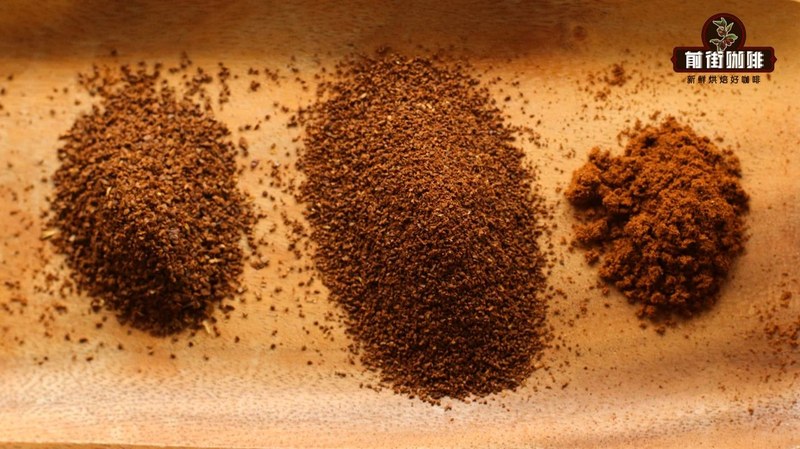
In actual pour over extraction, the grind size for medium-light roasted Yirgacheffe should not be too coarse, otherwise the aroma may remain superficial and both acidity and sweetness may seem insufficient; but if ground too fine, it may lead to over-extraction and a dry finish. It’s recommended to start with a stable coffee-to-water ratio for a trial brew, observing how the coffee performs from hot to warm stages. If the early sips feel too sharp or acidic, consider extending brew time or adjusting the coffee-to-water ratio; if dryness appears in the later sips, try reducing agitation, shortening total brew time, or slightly adjusting the grind coarseness.
The charm of Yirgacheffe lies in how it presents vastly different profiles depending on roast level: the lighter the roast, the more pronounced the floral and fruity acidity; if slightly closer to medium, the sweetness and mouthfeel fullness become more evident and stable. When purchasing, consider the processing method, flavor descriptions, and your preferred brewing style (such as hot or iced) to select the version that best matches your taste. Once you find the right medium-light roasted Yirgacheffe, that clever combination of floral, fruity, and tea-like notes will become the most delightful, light variation in your daily black coffee routine.
The above content is compiled by CoffeeHunters, a coffee news website.

