







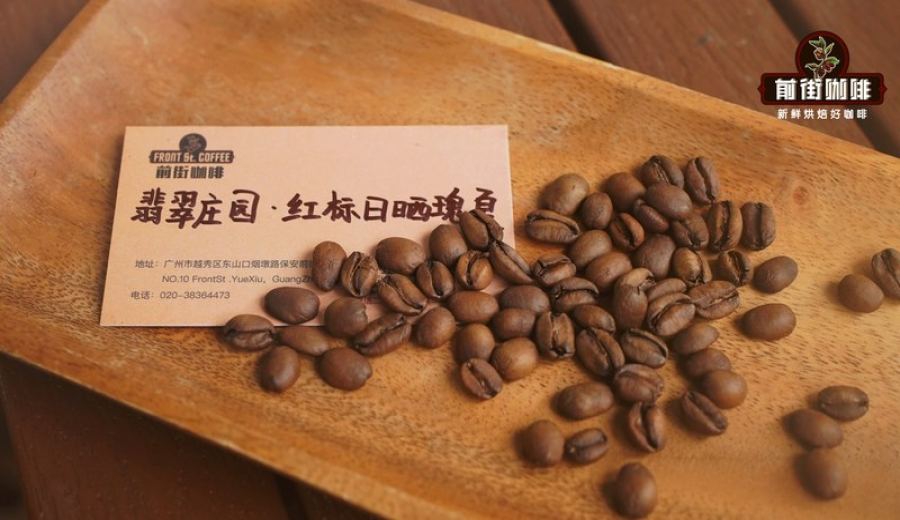
Introduction:The flavor profile of coffee is closely tied to its roast level—light, medium, and dark roasts each showcase different balances of acidity and sweetness, unique aromatic characteristics, and varying levels of body. Understanding these differences can help you select high-quality beans that suit your brewing method (such as pour over, espresso, or moka pot) and drinking preferences (milk or black), all within a reasonable budget. This article will guide you in choosing a more cost-effective coffee experience based on roast level, covering practical taste profiles, suitable equipment, and specific recommendations.
Roast level is one of the key factors that determine the final flavor direction of a cup of coffee. Whether you're after bright fruity acidity, rich sweetness, or deep chocolate notes, you can start by exploring the three main roast categories: light, medium, and dark. Choosing the right roast not only better matches your brewing method (like pour over, espresso, or moka pot) but also allows you to enjoy layered, satisfying coffee even on a limited budget.
First, light roast beans, due to their shorter roasting time, typically retain more of the original origin characteristics. Common flavors include floral notes, citrus, berries, and bright acidity. These beans are particularly well-suited for pour over or iced coffee, where they can showcase vibrant and clear layers. However, it’s worth noting that light roasts aremore sensitive to changes in water temperature, grind size, and pouring rhythm, so beginners are advised to start with products that have noticeable sweetness and clear flavor descriptions, which are easier to handle.
For example, there’s a bean often recommended for light roast beginners—it has an acidity and sweetness reminiscent of fresh cherry tomatoes upon entry, followed by the lingering taste of dark fruits such as black plum, and finishes with a subtle hint of brown sugar sweetness. Its acidity is bright but not harsh. If using a pour over method, you might trya slightly higher water temperature and a bit finer grindto help release the aromas; if you switch to iced pour over, it can further enhance the juicy, refreshing mouthfeel.
If you enjoy the freshness of light roast but are concerned that the acidity might be too prominent, you might prefer options with a tea-like quality and sweet notes of ripe fruit. Some light-to-medium roast beans offer aromas of orange peel, ripe apricot, and oolong tea, with a light body that becomes increasingly sweet as the cup cools. These beans are suitable for various brewing methods—whether filter pour over or cold brew—each highlighting their unique features. They’re great for enjoying the evolving aroma layers when hot, or for savoring slowly during busy moments when served cold.
Medium roast is often the balanced choice for most coffee enthusiasts in daily drinking. Beans at this roast level typically strike a good balance between acidity, sweetness, and body. They’re not only suitable for pour over to preserve origin traits but also work well for espresso extraction—even with a small amount of milk added, the coffee flavor won’t become thin. For those who own multiple brewing tools at home and want a single bean type to handle various drinking scenarios, medium roast beans offer high versatility.
If you want to explore more layered flavors without every cup being too light, medium or medium-light roast beans with fruity and floral notes are a great option. For instance, some medium roast beans processed with the natural method often feature aromas of orange blossom, guava, and apricot, and upon closer sniffing, you may even detect the rich sweetness reminiscent of strawberry jam. These beans are well-suited forpour over with a slightly lower water temperature, where segmented extraction can better integrate the fruitiness and sweetness, resulting in a more three-dimensional flavor expression.
Another major advantage of medium roast is itshigh tolerance for brewing variations. Whether using a pour over or espresso method, you can start with a medium grind and standard water temperature, first confirming the sweetness performance, then fine-tuning based on acidity and strength. If you mainly use an espresso machine, we recommend choosing medium roast beans with caramel, nutty, or cocoa notes—they often yield a richer, smoother espresso shot. When on a budget, consider buying smaller trial packs first, as they’re a better way to find your true flavor preference than purchasing large quantities all at once.
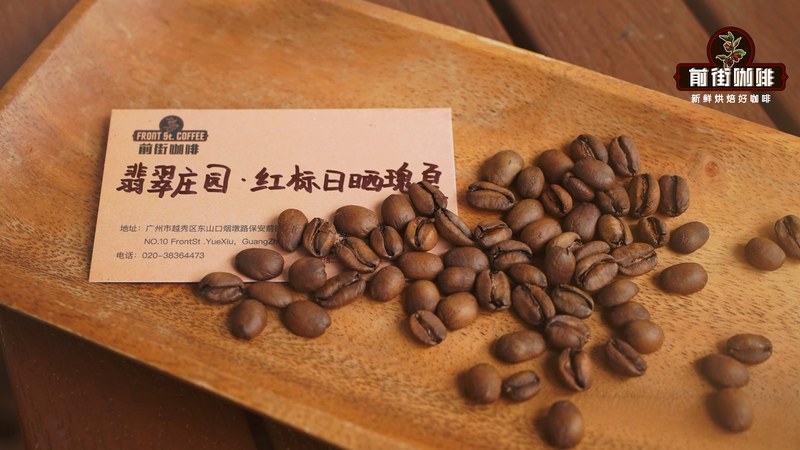
Dark roast beans usually develop flavors leaning toward intense profiles such as dark chocolate, roasted nuts, caramel, and smokiness, with acidity significantly muted, and a relatively thick and full-bodied mouthfeel. This kind of coffee is perfect for pairing with simple breakfast meals in the morning, and is also a common choice for making Americano, latte, or extracting with a moka pot. When brewing, there's no need to aim for extremely high temperatures or very fine grinds—in fact, it's more important to focus onavoiding over-extractionin order to maintain clarity in the cup, resulting in softer bitterness and a more concentrated sweetness.
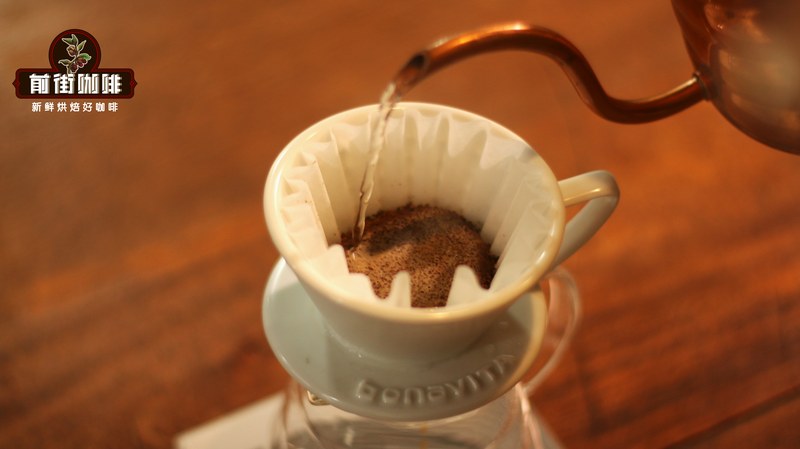
For readers who regularly use an espresso machine or frequently drink milk-based coffee (such as latte or cappuccino), beans ranging from medium-dark to dark roast are often the top choice. Since milk enhances the smoothness of coffee, it may also mask some aromas and acidity, so the coffee itself needs to have sufficient intensity and body. When making a latte, you can try reducing the amount of milk to let the cocoa and caramel characteristics of the beans shine more prominently; if you prefer a softer, smoother taste, you can moderately increase the milk to achieve a rounder overall flavor.
No matter which roast level you choose, always pay attention to theroast date, recommended brewing equipment, and flavor descriptionon the packaging—because even with the same roast level, beans from different regions, varieties, and processing methods can show significant differences in actual flavor. For newly purchased beans, it’s recommended to first brew a cup using a fixed dose, and taste it in hot, warm, and cold states separately, then decide whether it suits better as a black coffee or a milk coffee. Such evaluation is often more accurate than simply going by the name or category.
Considering both budget and practicality, light roast is ideal for exploring diverse flavors and enhancing tasting experiences; medium roast serves as a reliable everyday option, meeting most of your coffee needs throughout the week; while dark roast perfectly covers scenarios like morning pick-me-ups, espresso extraction, and milk coffee pairings. We suggest choosing one primary roast direction based on your brewing equipment and taste preferences. There’s no need to buy too many beans of similar styles at once—this way, every cup of coffee can deliver genuine and satisfying value.
The above content is compiled by CoffeeHunters, a coffee news website.

