








Introduction:Choosing the right coffee beans starts with the roast level. Different roast levels not only influence the main flavor profile but also determine the suitable brewing methods and pairing occasions. Understanding the characteristics of the three main roast styles—light, medium, and dark—can help you find the most satisfying coffee experience, whether you prefer pour over, cold drip, or milk-based drinks.
To discover coffee with unique flavors, start with the "roast level." Lightly roasted beans usually retain more of the original characteristics of their origin, such as bright floral notes, lively fruitiness, and vibrant acidity. Medium roast offers a balance between sweetness, aroma, and body, making it suitable for everyday enjoyment by most people. As for dark roast, it often highlights rich cocoa, nutty, and toasty aromas, delivering a bolder flavor. Depending on whether you usually enjoy black coffee, iced coffee, or milk coffee, choosing beans with the corresponding roast level will make the flavor characteristics more pronounced.
The most distinctive feature of light roast coffee beans is their ability to showcase clear origin characteristics. They often have aromas of citrus, berries, or even tropical fruits, and the scents continue to evolve as the coffee cools. These beans are particularly well-suited for pour over or iced pour over brewing methods, as these techniques can better highlight the subtle layers of aroma. It’s recommended not to use overly high water temperature during brewing, and to maintain consistent grind size and pouring rhythm to ensure the acidity is clear without being harsh.

If you prefer a refreshing taste but don’t want the acidity to dominate, consider light-medium or medium roast beans. Coffees in this range often have a caramel-like sweetness while still retaining some fruity, tea-like, or faint floral notes. They’re not too thin when hot and can maintain a certain level of aroma even when served over ice, making them ideal for an afternoon break or a workday pick-me-up.
For example, some light-to-medium roasted beans may display aromas of orange and ripe apricot, with a bright taste upfront followed by an oolong tea-like aftertaste. Using a pour over method suitable for light-to-medium roast, you can first enjoy the fruitiness while the coffee is hot, and as the temperature drops, the sweetness becomes more concentrated—offering a pleasant drinking experience even without added sugar.
Medium roast can be considered the representative of balanced flavor—it doesn’t emphasize the dramatic highs of aroma like light roast, nor does it let the roastiness take over too early. It generally achieves harmony among fruit, caramel, and nut aromas, resulting in a smoother and more approachable mouthfeel. If you have both a pour over filter and an espresso machine at home, medium roast beans can flexibly adapt to different brewing methods with relatively wide room for adjustment.
The allure of dark roast lies in the rich layers brought out by high-temperature roasting. Common flavors include dark chocolate, roasted nuts, caramel, and a hint of smokiness. It’s important to note that dark roast doesn’t equate to bitterness—the actual cup profile is influenced by factors such as water temperature, grind size, and extraction time. Generally, using a shorter extraction time can preserve more rounded sweetness while reducing astringency in the aftertaste.
If you’re used to drinking lattes, flat whites, or iced Americanos daily, dark roast or medium-dark roast beans would be more suitable choices. These beans can still retain a cocoa and nut backbone even when milk is added, adding more depth to the overall drink. For iced beverages, since ice dilutes the coffee, it’s recommended to slightly extend the extraction time or adjust the grind to make the brew more concentrated, resulting in a fuller and more satisfying taste.
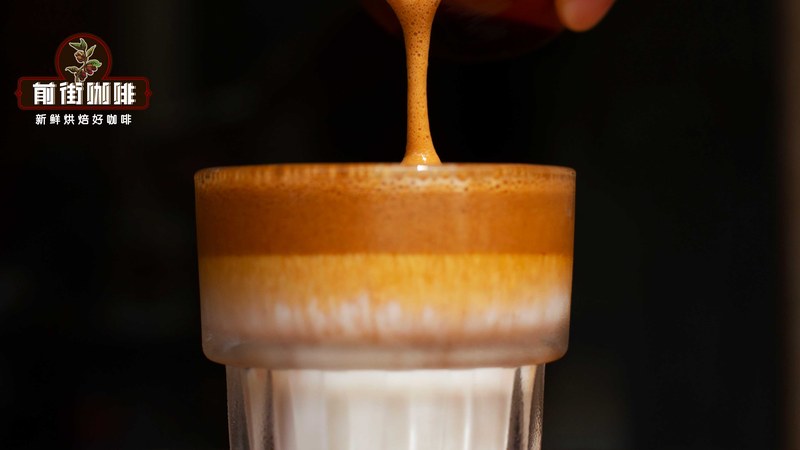
When selecting coffee beans, in addition to roast level, also pay attention to the roast date, the airtightness of the packaging, and your actual consumption. Light roast beans have more delicate aromas, so it’s advisable to buy them in smaller quantities and enjoy them in batches to fully appreciate their changes. Medium-to-dark roast beans, with their more stable flavors, are suitable as a fixed choice for breakfast or commuting. After opening, be sure to seal them properly and store them away from light. You can also smell the dry fragrance before each use to determine if they’re still at their best.
For those just beginning to explore the differences in roast levels, it’s recommended to rotate all three styles—light, medium, and dark—into your cup: start with light roast to get to know fruity and floral notes, then use medium roast to seek sweetness and balance, and finally experience the bold cocoa and full body of dark roast. Change only the roast type each time, keeping the brewing tools and drinking methods as consistent as possible, so you can more clearly perceive the differences between roast levels. Choosing beans this way means flavor isn’t just a list of descriptors on the package, but the cup of coffee you truly enjoy and look forward to every day.
The above content is compiled by CoffeeHunters, a coffee news website.

