








Introduction:Want to brew an outstanding cold brew coffee at home? Choosing the right coffee beans is key. This article explores the performance of cold brew across light roast, medium roast, and dark roast, offering practical bean selection advice and extraction parameters to help you find the most suitable cold brew beans based on your preferences—crafting a smooth and refreshing iced coffee experience.
Cold brew coffee achieves a more gentle release of flavors through long periods of low-temperature steeping. Compared to hot-brewed coffee, it offers a smoother mouthfeel, rounder acidity, and a uniquely layered aroma. When selecting suitable beans,the roast level serves as the most intuitive reference.Light roast beans showcase bright fruity notes, medium roast beans balance acidity and sweetness with body, while dark roast presents rich cocoa, nutty, and caramel tones. By first clarifying your preferred flavor profile, you can more easily choose beans ideal for cold brewing.
During the roasting process, variations in heat exposure alter the beans’ internal structure, aromatic compounds, and solubility.Light roast beans retain more of the origin’s inherent characteristics, and their release rate in cold water is slower. It’s recommended to allow sufficient steeping timeto fully develop their delicate fruity and floral notes. Medium roast beans have relatively ideal solubility, with clear and expressive flavor layers, making them suitable for those new to cold brew. Dark roast beans, due to their higher roast degree, extract more quickly—so when cold brewing, it's especially important tocontrol concentration and balance the aftertasteto avoid heaviness or monotony.
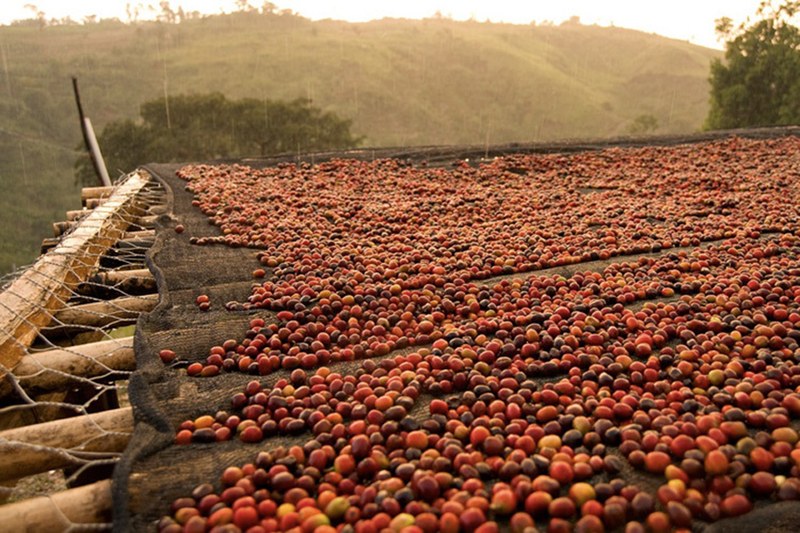
If you enjoy refreshing fruity aromas, start exploring withlight roast beans. Cold water softens the beans' inherent sharp acidity, making citrus, berries, grapes, or tropical fruit notes smoother and rounder. They’re great for serving over ice directly or mixed with sparkling water to create a light iced coffee—perfect for an afternoon pick-me-up or post-workout boost. If you’re after rich aromatic layers, opt forbeans with clear flavor descriptions and distinct sweet-and-acid profilesto better highlight the layered charm of cold brew.
For readers who prefer sweet fruit tones, look for light roast options featuring strawberry or berry flavors. After cold brewing, the sweetness transforms into a soft juice-like sensation without being heavy or overwhelming. You can either prepare a high-concentration cold brew and dilute with water for iced coffee, or add a bit of milk to create a berry-inspired iced latte, adding fun variety to your daily cup.
Medium roast beans are highly versatile in the world of cold brew, with aromas that don’t overpower and a good balance between acidity/sweetness and body.Whether you prefer a clean black coffee or accept dilution from melting ice, medium roast beans deliver stable performance, making them especially suitable for beginners making cold brew at home. They offer flexibility in adjustment and rarely develop single-note acidity or excessive roasted harshness.
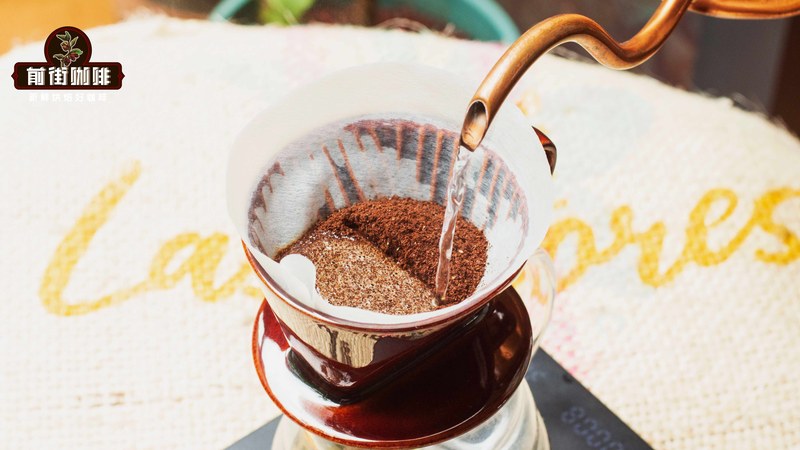
If you're looking for a well-balanced medium roast representative, consider beans with notes of cherry tomato acidity, dark plum depth, and a toasty brown sugar finish. After cold brewing, these beans present gentler acidity, ideal for making a high-concentration cold brew, then adjusting ice or water ratios to craft a personalized refreshing coffee experience.
Some light roast beans, thanks to particularly vibrant fruit notes, are perfect for coffee lovers wanting to explore regional characteristics. During cold brewing, such beans transform aromas like passionfruit, blueberry, grape, and apricot into softer chilled juice-like flavors. Whether using the ice drip method or traditional immersion, the result is a delicate mouthfeel. Preparing via ice drip enhances aroma clarity; when turned into cold brew liquid and mixed with soda water, it maintains a lively and refreshing drinking sensation.
For readers who prefer strong, low-acid, and full-bodied flavors,medium-dark roast and dark roast beansare more suitable choices. The cold brew environment softens the common roasted bitterness found in hot-brewed coffee, while preserving appealing baked notes like dark chocolate, roasted nuts, and caramel. These are not only great for making iced americano, but also pair well with milk to create smooth iced lattes. If you’re accustomed to bold, weighty coffee, these roast levels align more closely with everyday drinking habits.
In actual preparation,for light roast beans, slightly fine-tune the grind size or extend steeping time to allow flavors to fully infuse into the water; for dark roast beans, it’s recommended to use a slightly coarser grind and shorter steeping time to reduce dry or astringent notes in the aftertaste. For general home cold brew, start witha ratio of 1 gram of coffee to 12–13 grams of water, steeping for about 8–12 hours, then adjust concentration afterward by adding water or ice as needed. After filtration, taste the concentrate first, then decide your preferred drinking ratio.
The way you enjoy cold brew also impacts its final flavor expression.For light roast fruit-forward beans, it’s best to add minimal water to preserve aromatic intensity; medium roast beans pair nicely with orange slices, sparkling water, or ice cubes to enhance a refreshing sweetness; dark roast beans are particularly well-matched with milk, highlighting smooth cocoa and nutty tones. No matter which bean type you choose, remember to seal and refrigerate it, and consume it promptly to enjoy the cleanest and freshest flavors.
In summary, when choosing cold brew coffee beans, consider roast level as a starting point for exploration, not a limitation. Prefer fresh floral-fruity notes and bright flavors? Start with light roast. Looking for balanced acidity and sweetness with everyday drinkability? Medium roast is your ideal choice. If you favor intense, full-bodied flavors and milk pairings, dark roast beans will meet your needs. Once you’ve found your preferred flavor direction, fine-tune strength through steeping time and dilution ratios—and a uniquely satisfying cold brew will become a regular, cool refreshment waiting in your fridge.
The above content is compiled by CoffeeHunters, a coffee news website.

