








Introduction:To brew coffee with a moka pot that delivers your ideal flavor profile, selecting beans with the right roast level is the crucial first step. This article provides a detailed analysis of how different roast styles perform in a moka pot—from light to dark—and offers practical extraction tips along with recommended coffee beans to help you find the coffee combination that best suits your taste.
Coffee brewed with a moka pot is generally richer than that made with filter methods, not only featuring prominent aromas but also offering a noticeable body. For beginners looking to quickly grasp a pleasing coffee flavor, it’s advisable to start by considering the roast level of the beans: light roasts often showcase bright fruit acidity and fresh floral-fruity notes, medium roasts offer good balance and naturally sweet profiles, while dark roasts exhibit intense chocolate, nutty, and roasted aromas. Tasting and comparing in this order can help you more quickly clarify your preferred everyday coffee direction.
Although light roast beans can be used in a moka pot, they are more sensitive to extraction conditions—especially under high water temperatures and prolonged brewing times—where their original floral, citrus, or berry characteristics can easily turn into sharp acidity. As such, they are better suited for those who enjoy clean-flavored black coffee and are willing to fine-tune grind size and heat. It’s recommended to start with a slightly higher water temperature and to extinguish the heat as soon as the coffee liquid begins to pale, in order to preserve the unique bright, sweet acidity of light roasts.
If you prefer a fragrant cup that isn’t overly acidic, medium roast beans are a more friendly choice. These beans have undergone more complete development during roasting, with sweetness, body, and regional flavor characteristics usually more harmonious. They present distinct layers when sipped on their own, and even when a small amount of milk is added, the coffee's core character remains intact. For beginners using a moka pot, medium roast beans often serve as a great starting point for building stable flavor judgment.
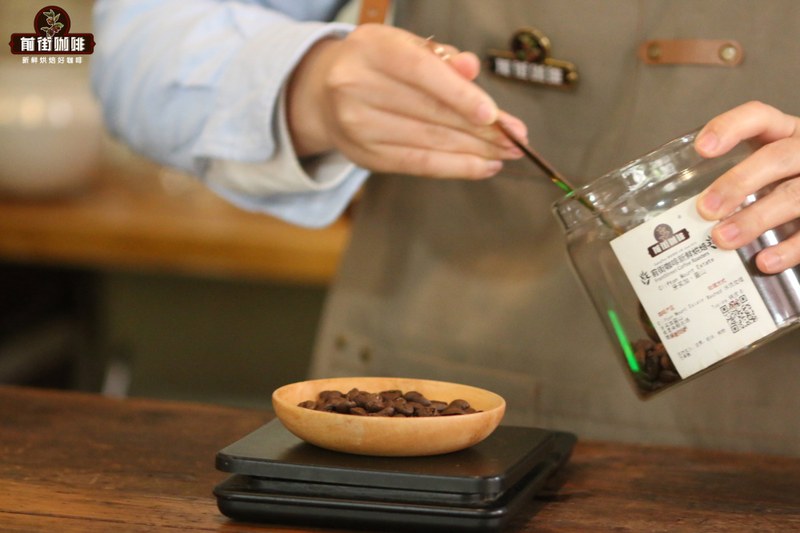
For example, some medium-roasted beans tend to yield a sweet, smooth mouthfeel reminiscent of roasted nuts, cocoa paste, and caramel syrup in a moka pot, with acidity not overpowering and overall balance being silky and easy-drinking. Enjoyed straight in the morning as a breakfast coffee, you can savor its natural sweetness; if it feels too strong, you can dilute it with water to make an Americano or add milk to create a mild latte.
Medium-dark roast beans shift the flavor focus toward caramel, dark nuts, and chocolate, while still retaining a certain degree of sweetness. These roast levels complement the high concentration characteristics of the moka pot well—the extracted coffee has enough body to maintain its aroma even when diluted with water, and the coffee’s structure remains clear even after adding milk. If you enjoy a thicker, fuller-bodied coffee, the medium-dark roast range is worth exploring.
Some medium-dark roasted blends can exhibit layers of ripe nuts, cocoa, and caramel sweetness when used in a moka pot, offering a rich and not at all thin concentration. When consumed directly, the mouthfeel is solid, and with the addition of milk and a touch of sugar, they also make an excellent base for homemade milk coffee. These flavor profiles are usually easier to appreciate and are suitable for sharing a pot of coffee with family or friends.
As for dark roast beans, their acidity is generally more subdued, giving way to a blend of bitter and sweet dark chocolate aromas and intense roasted characteristics. It’s important to note that choosing a dark roast is not about seeking the “darkest color,” but rather evaluating whether you prefer low-acid, bold coffee with distinct roasted flavors. For those accustomed to drinking lattes, flat whites, or iced Americanos, coffee brewed from dark roast beans often has more presence and can achieve good balance with other additives.
A certain dark-roasted blend performs exceptionally well in a moka pot, delivering intense dark chocolate, roasted nuts, and deep syrupy sweet-bitter sensations, with a light acidity. When served hot, the flavors are concentrated, making it suitable for making moka pot milk coffee with a slightly lower ratio; if used to prepare iced Americano, increasing the amount of ice and water can result in a cleaner aftertaste.
In practice, the grind size and heat settings for a moka pot should also be adjusted according to the roast level. Generally, it’s recommended to grind light roast beans slightly finer and maintain a higher water temperature; medium roast beans can start with a medium grind, which makes it easier to manage extraction balance; dark roast beans should not be ground too fine, as this can lead to pronounced burnt bitterness under high temperatures. Spread the coffee grounds evenly in the portafilter, and do not exceed the safety valve with the water level. After filling, it’s recommended to use low heat and heat slowly. When you hear the flow of liquid become more rapid, you should immediately remove the heat source.

To evaluate whether a bean suits your taste, consider factors such as the acidity, sweetness, bitterness, and overall body upon tasting. For example, although light roast beans may taste bright, if the mouthfeel feels thin, it could be due to too coarse a grind or insufficient heating; if the sweetness of medium roast beans isn’t pronounced enough, you might try extending the initial heating time; as for dark roast beans that taste dry or overly bitter, it’s recommended to reduce the heat and shorten the extraction time of the latter-stage coffee liquid. Each time, adjust only one variable so you can more accurately pinpoint the issue.
In addition, the roast date and storage condition of the beans also affect the brewing performance in a moka pot. After opening, minimize exposure to air, avoid leaving the container open for long periods, and choose a suitable package size based on your daily consumption frequency. When switching to a new batch of beans, it’s recommended to brew with the same coffee-to-water ratio for a few consecutive days until the flavors stabilize, then assess whether adjustments to grind size and parameters are needed. Through a gradual trial from light roast to medium roast and finally to dark roast, you’ll gradually discover the moka pot coffee flavor that best suits you.
The above content is compiled by CoffeeHunters, a coffee news website.

