







Introduction:SOE (Single Origin Espresso) is an espresso made from coffee beans sourced from a single origin or batch. Compared to common blends, it better highlights unique regional flavors. Whether you prefer bright fruity notes, rich chocolate, or sweet caramel, you can find your ideal SOE by selecting the right roast level and brewing method. This article will guide you through SOEs from light to dark roasts, and provide practical brewing parameter suggestions to help you easily choose the most suitable SOE for daily drinking.
SOE (Single Origin Espresso) has gained increasing popularity among coffee enthusiasts in recent years. Compared to typical commercial blends, SOE better showcases the distinct characteristics of specific regions, whether it's citrus, berries, floral notes, or nuts, cocoa, and caramel—its flavor profile is more vivid and distinctive. When choosing an SOE, it’s recommended to start with the roast level, then consider whether you usually drink Americano, espresso, or latte, which makes it easier to find a bean that matches your flavor preference.
Light-roasted SOEs typically feature bright acidity and fresh aromas, making them the roast level that best highlights regional characteristics. These beans often showcase fruity sweetness and acidity, subtle floral notes, and even tea-like aftertastes, making them highly suitable for iced Americanos with a refreshing and brisk taste. However, due to their higher bean density and denser structure, extracting their full sweetness and complexity requires careful adjustment of grind size, water temperature, and extraction time.
For example, a light-roasted SOE from Ethiopia’s Kaffa Forest often delivers orange and ripe apricot fruitiness in the espresso, with tea-like sweetness becoming more pronounced as it cools, making it ideal for short Americanos or iced drinks. If the acidity feels too sharp upon first taste, try adjusting the grind slightly finer or extending the extraction time a bit to balance the overall flavor and enhance the sweetness.
If you enjoy black coffee but occasionally want to pair it with milk, medium-light to medium-roasted SOEs are more approachable choices. Within this range, beans retain the unique character of single-origin coffees while offering a smoother mouthfeel. The fruitiness isn’t overly prominent or sharp, and is complemented by caramel-like sweetness and moderate body, harmonizing well with acidity and suiting various brewing styles—whether black or with a small amount of milk.
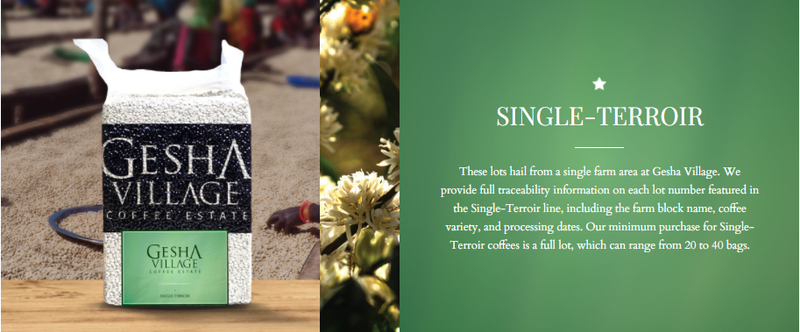
Take certain medium-light roasted Geisha varieties, for instance—the espresso often reveals complex aromas reminiscent of orange blossom, guava, apricot, and berry compote, with rich layers. A short espresso concentrates these flavors further; adding a splash of sparkling water renders the cup even more refreshing and vibrant. When used in milk coffee, it’s advisable to reduce the milk ratio slightly so the floral and fruity notes aren’t completely overshadowed, allowing their character to shine.
Medium-roasted SOEs strike a good balance between sweetness, body, and smoothness. These beans often deliver a mellow mouthfeel akin to fruit jam, raisins, or brown sugar, with a stable and rounded finish—making them an ideal entry point for coffee lovers transitioning from blends to single origins. Americanos brewed with medium-roasted SOEs have clear aromas and sufficient strength; even with a certain proportion of milk added, the coffee’s core remains distinct, suitable for everyday use in various settings.
Certain medium-roasted SOEs from Colombia, for example, often exhibit pronounced fruitiness like passionfruit, blueberry, grape, and apricot. The espresso boasts concentrated and fresh aromas, appealing to those who enjoy juice-like profiles. Once diluted with hot water, it presents a bright and clean taste, and becomes even more like a flavorful fruit cold drink when served over ice. To make it more suitable for lattes and other milk coffees, you can control the yield to increase coffee concentration, helping it resist dilution from milk.
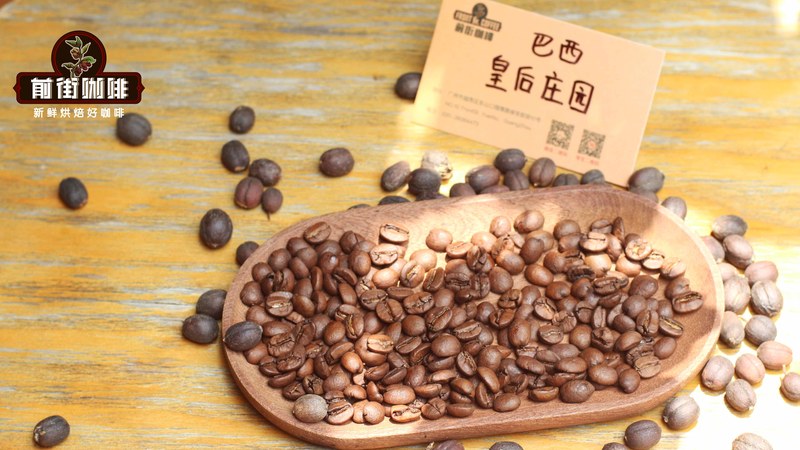
Moving into medium-dark and dark roasts, the flavor focus of SOEs shifts toward cocoa, roasted nuts, caramel, and a rich sweet-bitter balance, with acidity taking a backseat. These beans are well-suited for espresso, hot Americanos, and lattes—even with a large amount of milk added, they retain a clear coffee profile and full body. If you prefer low-acidity, smooth, and sweet-tasting coffee, this roast range is definitely worth exploring.
Recommended extraction parameters vary depending on the roast level. For light-roasted SOEs, you might start with slightly higher water temperature (around 92–94°C), a finer grind, and a slightly longer extraction ratio to allow the hot water to penetrate the core of the bean and extract delicate acidity and aroma. Medium-roasted SOEs suit medium water temperature (around 90–92°C) and standard grind size; observe the sweetness first, then adjust based on acidity or finish. If the acidity feels too sharp, consider increasing extraction or slowing the pour rate; if the finish turns dry or bitter, try shortening the extraction time or using a slightly coarser grind.
When choosing an SOE, also consider the role this coffee plays in your daily life. For a refreshing black coffee in the morning, light or medium-light roasts are ideal; for an aromatic short espresso in the afternoon, medium roast is more fitting; and for a milk-based coffee at breakfast, opt for medium to medium-dark roasts to ensure sufficient sweetness and strength to support the milk.
Lastly, it’s recommended to start with a small pack when trying SOEs for the first time, to easily compare performance under different temperatures, grinds, and brewing methods. Freshly roasted SOEs typically require a few days to a week of degassing before their flavors fully develop. After opening, store them properly sealed and away from light. It’s best to purchase one to two weeks’ worth at a time, allowing you to better track changes in the beans. The charm of SOEs lies in how beans from the same origin can present vastly different personalities and performances depending on roast level—finding your own favorite makes daily coffee enjoyment all the more satisfying.
The above content is compiled by CoffeeHunters, a coffee news website.

